THE CRUCIBLE
By ARTHUR MILLER
Directed by ERIC TUCKER
NEW YORK CITY
November 8 – December 29, 2019
Connelly Theater
THE STORY.
A group of teenage girls is caught dancing in the woods. To escape punishment, they begin accusing their neighbors of witchcraft. Within days, an entire town is tearing itself apart.
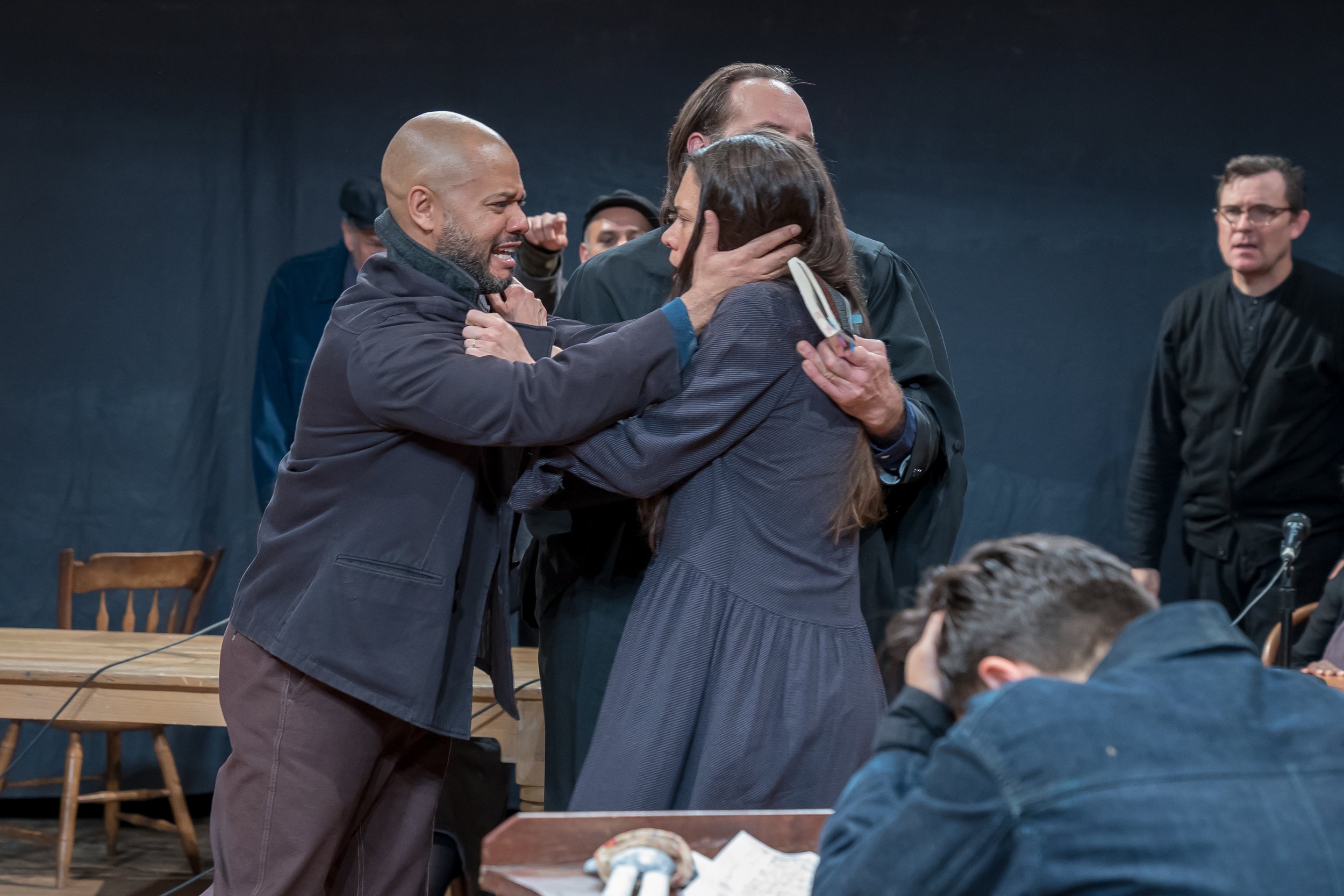
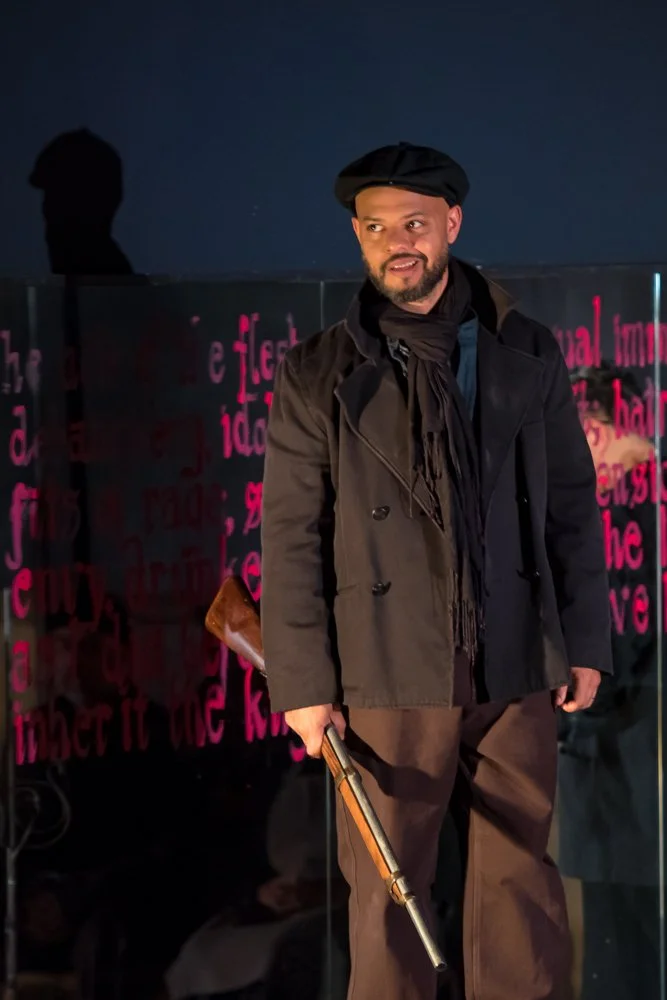
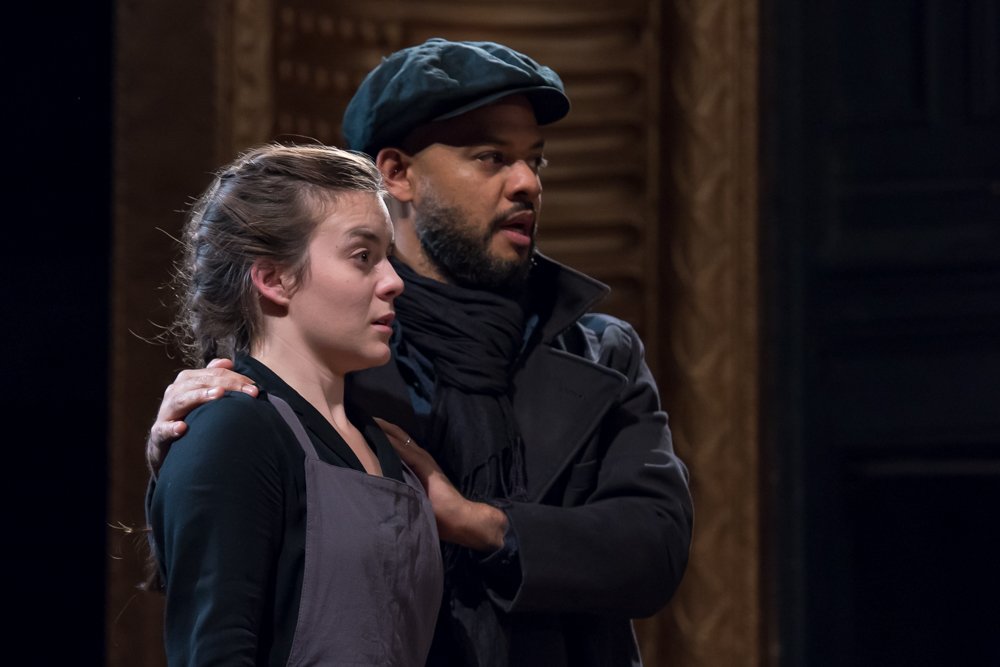
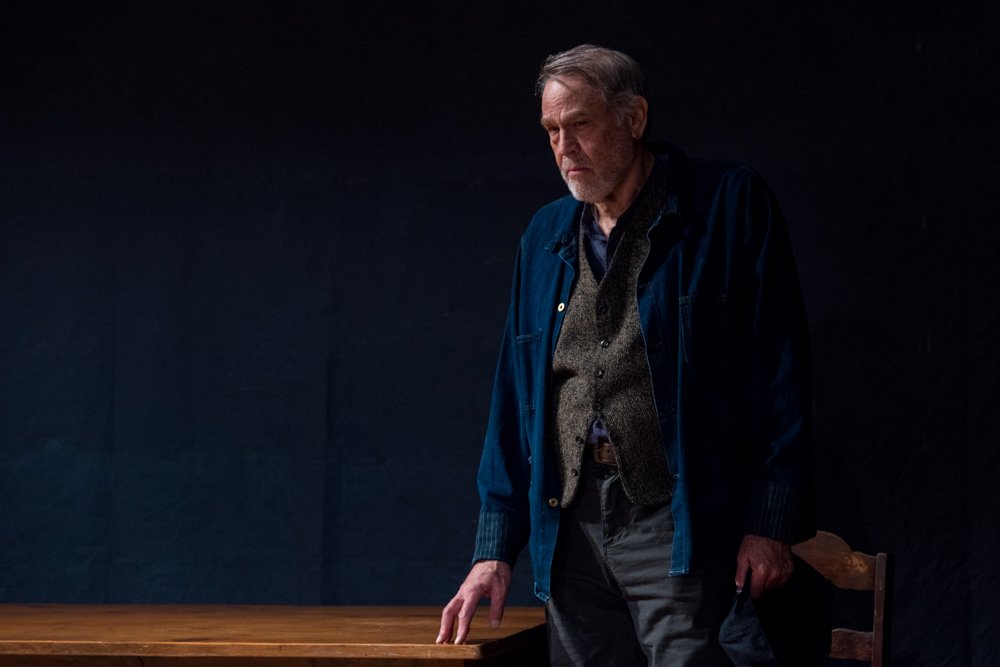
In Salem, Massachusetts, in 1692, fear becomes a weapon. Abigail Williams discovers that accusation can give her a power she has never possessed. John Proctor, a farmer struggling with his own guilt, finds himself caught between protecting his family and exposing the lies consuming his community. As accusations multiply, neighbors turn against neighbors, private grudges become public convictions, and the courts demand confessions to crimes that never happened.
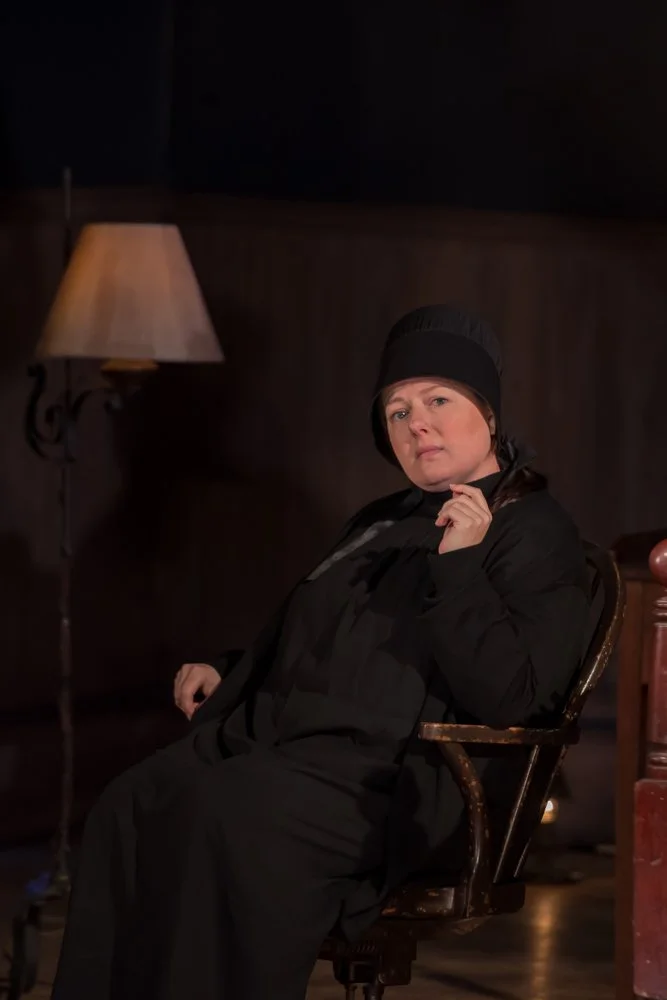
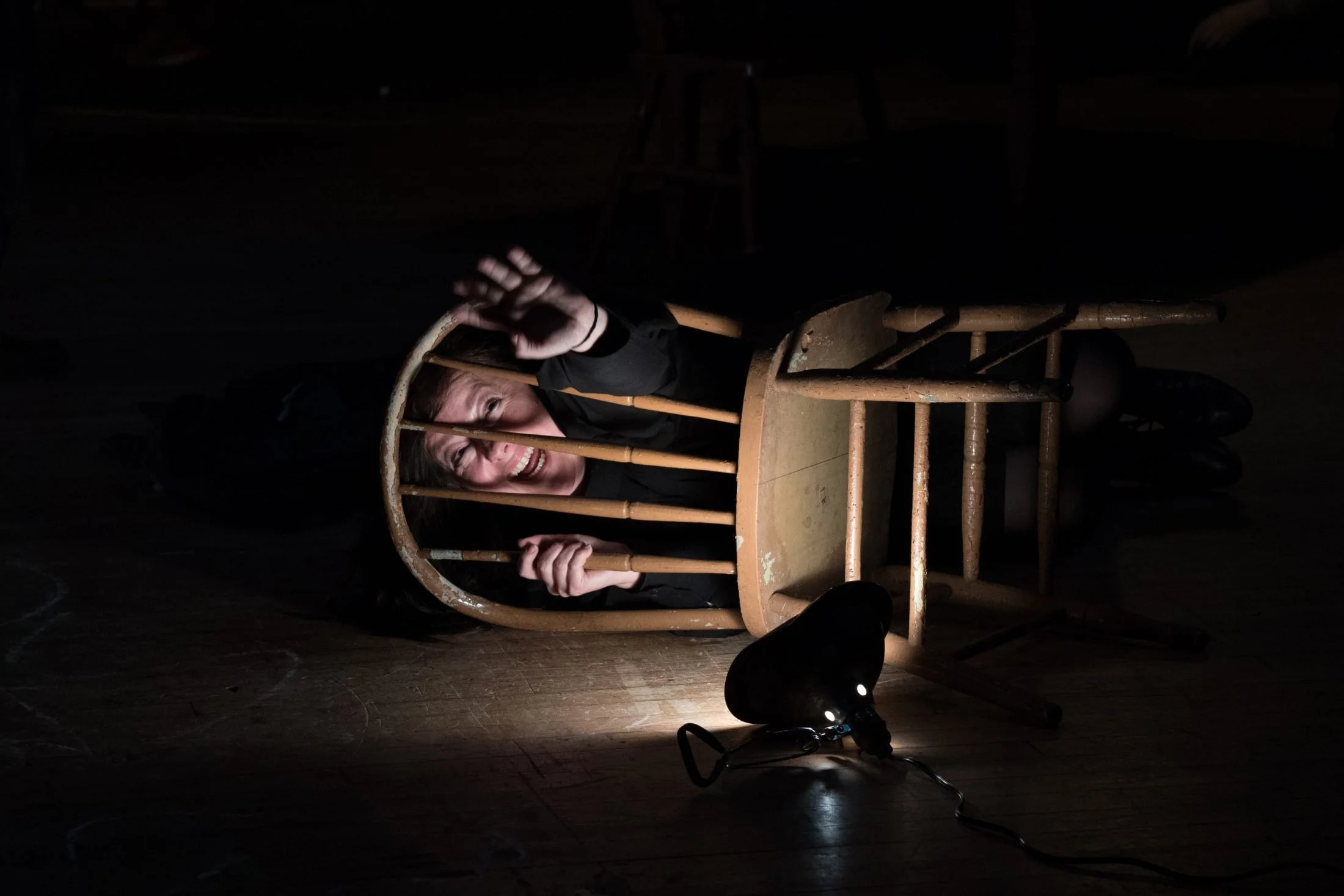
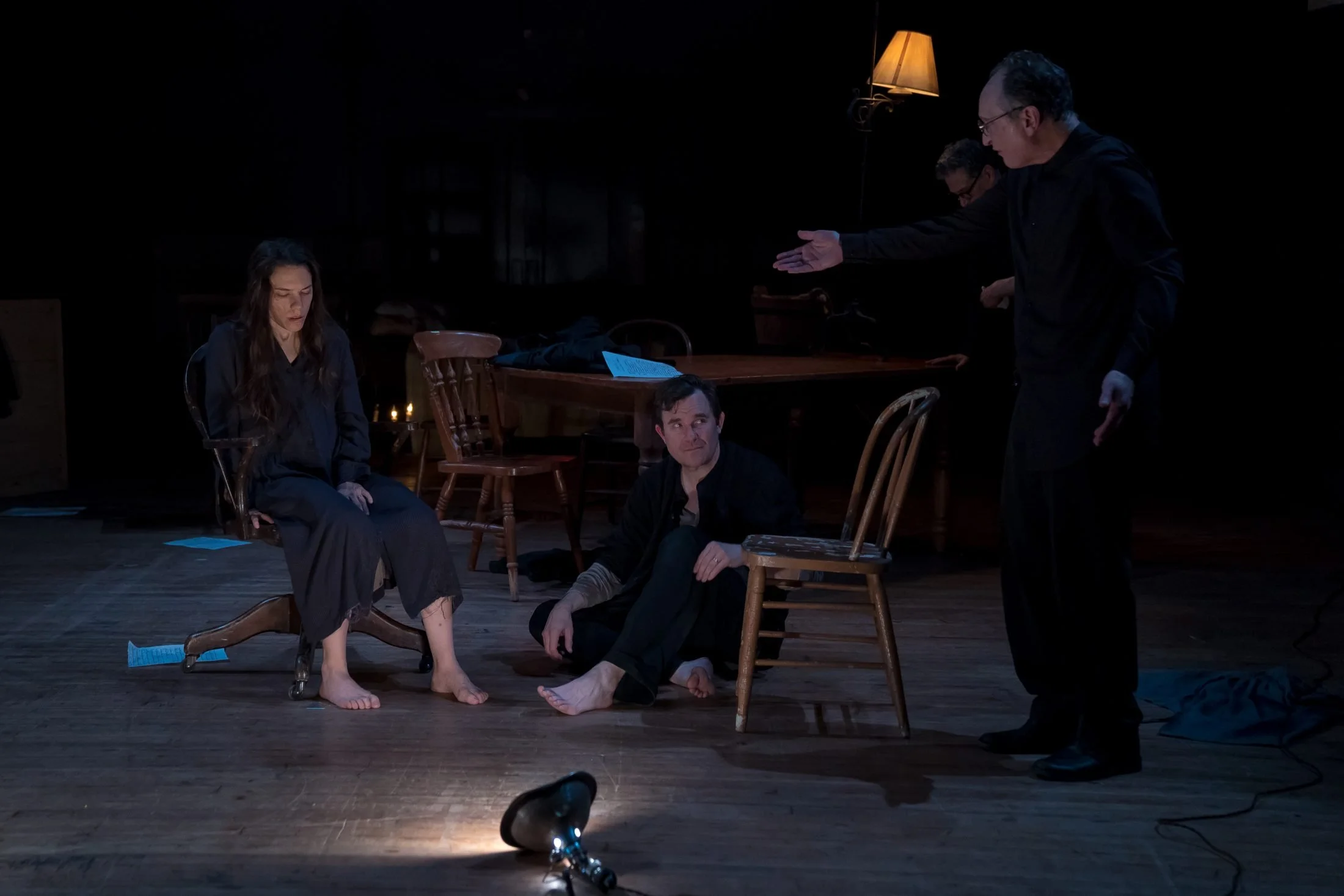
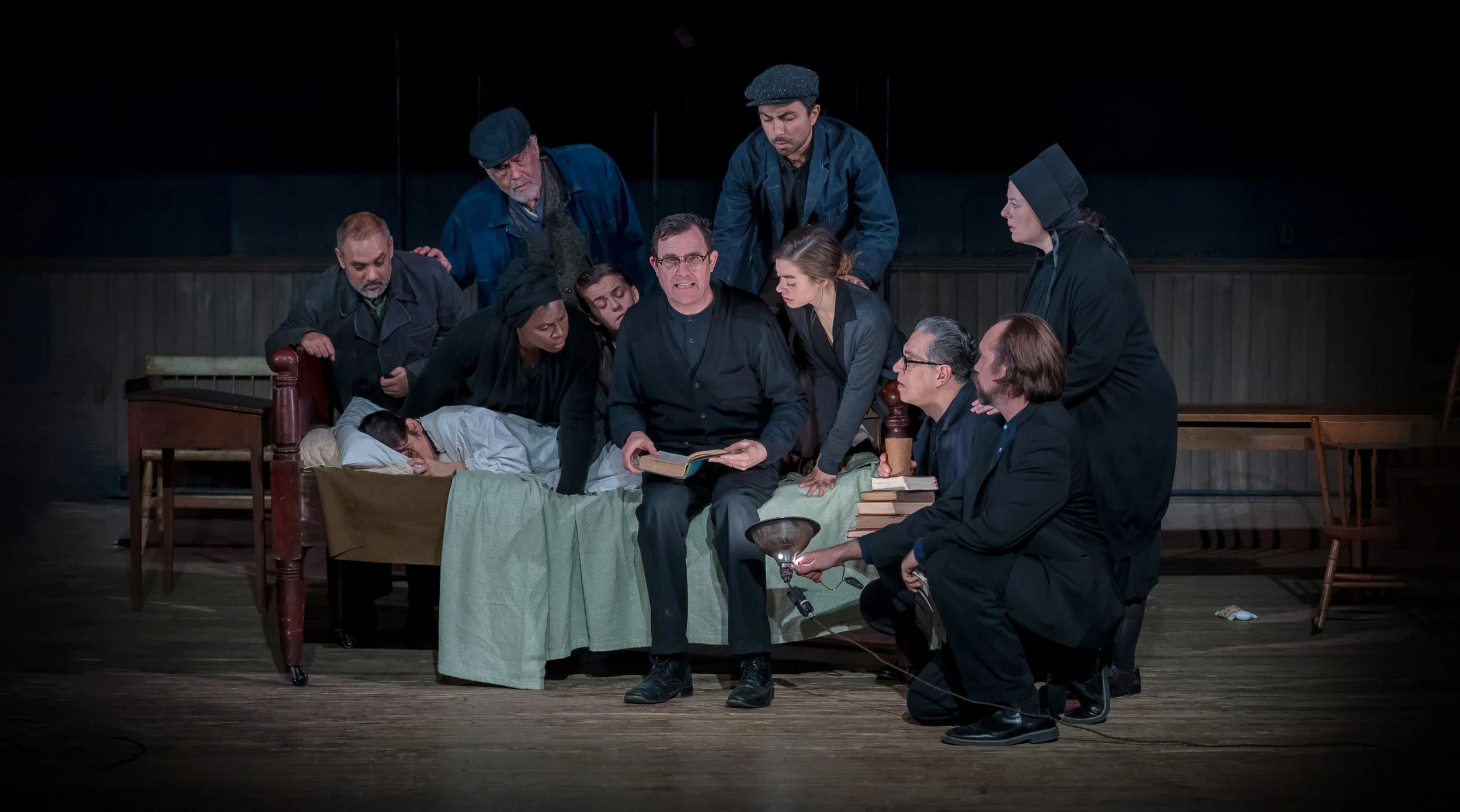
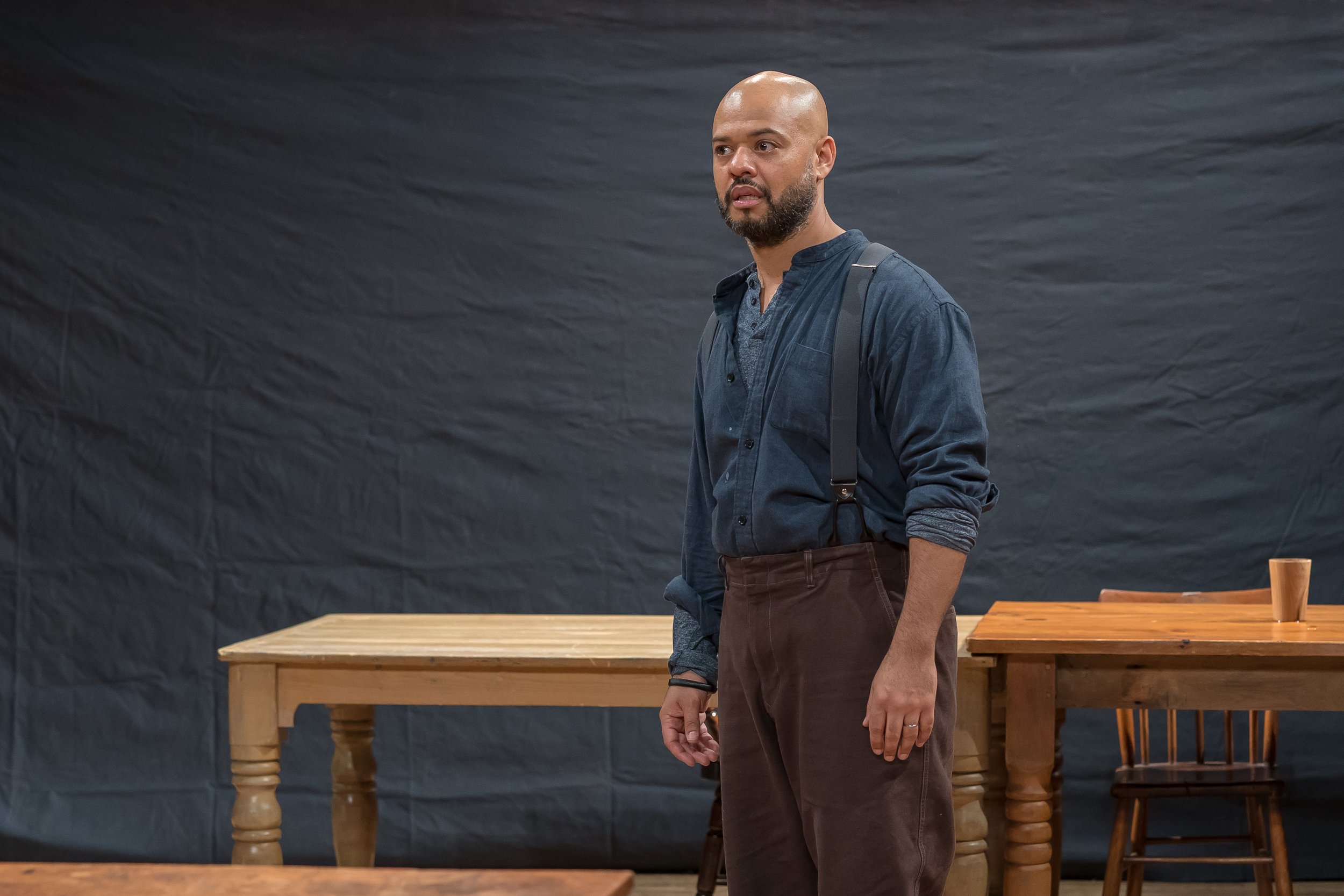
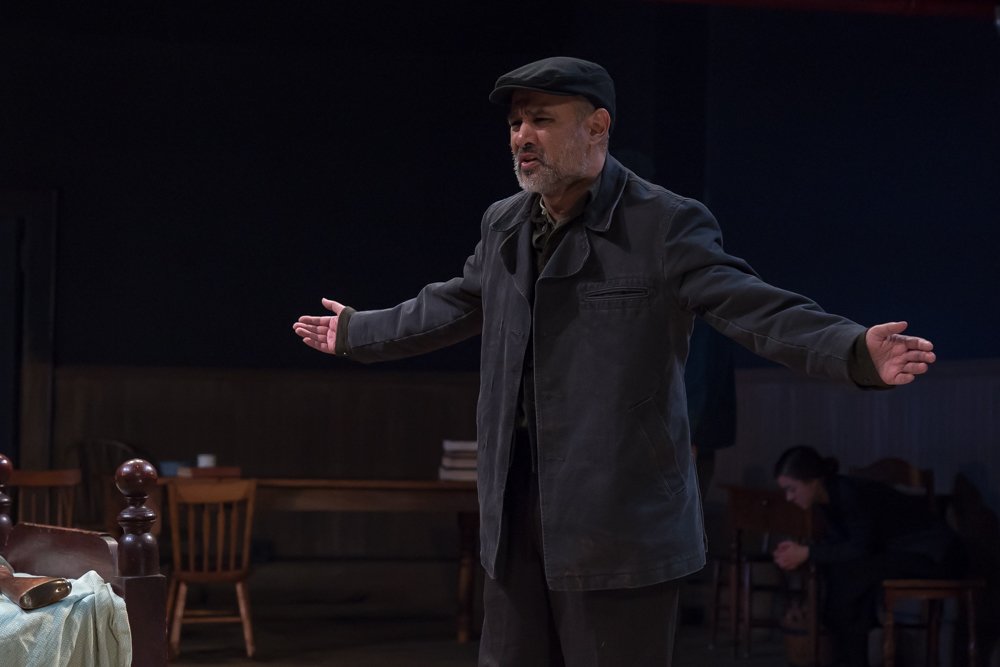
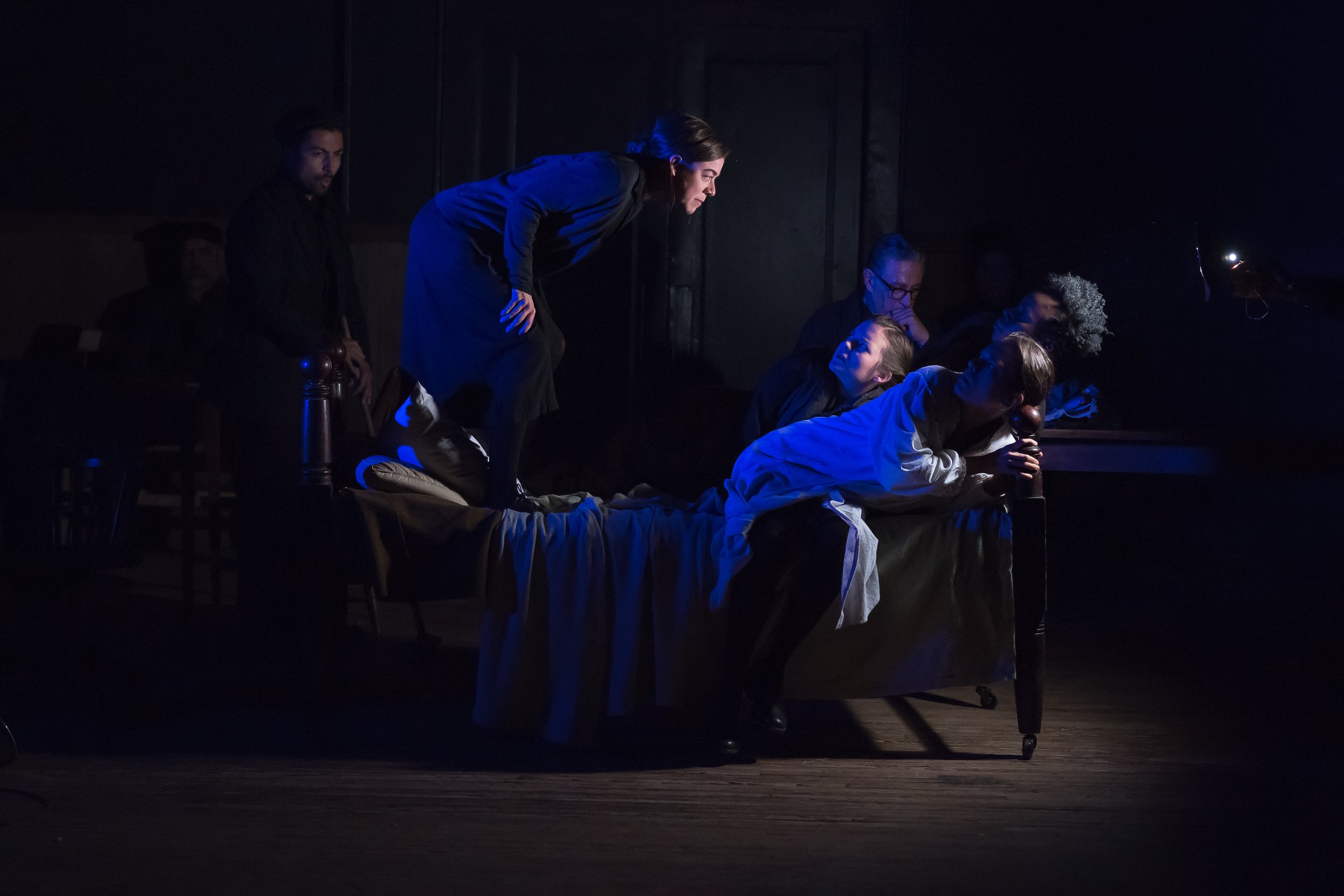
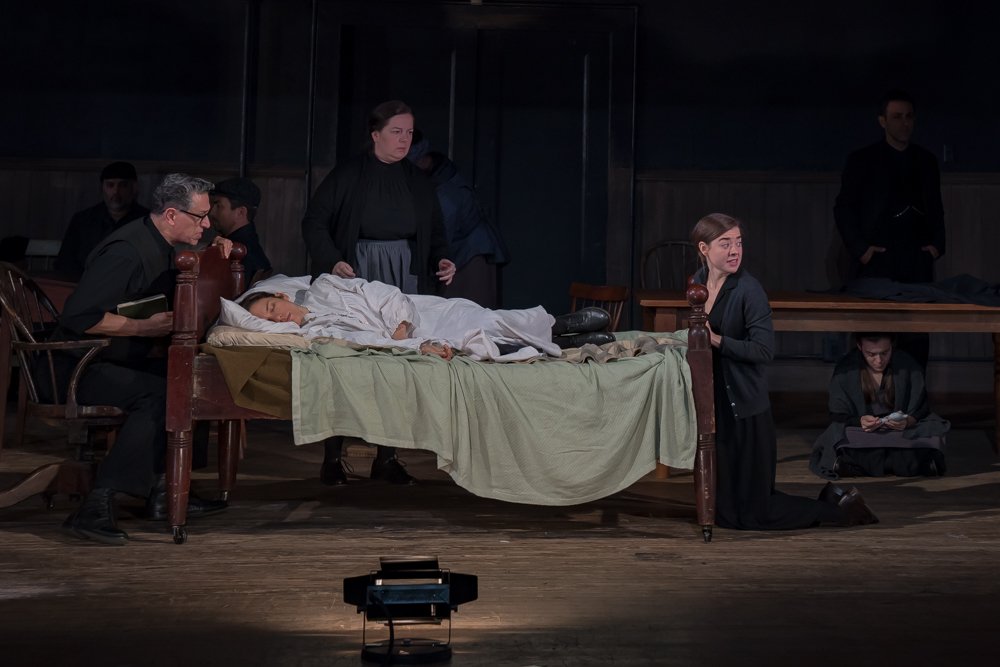
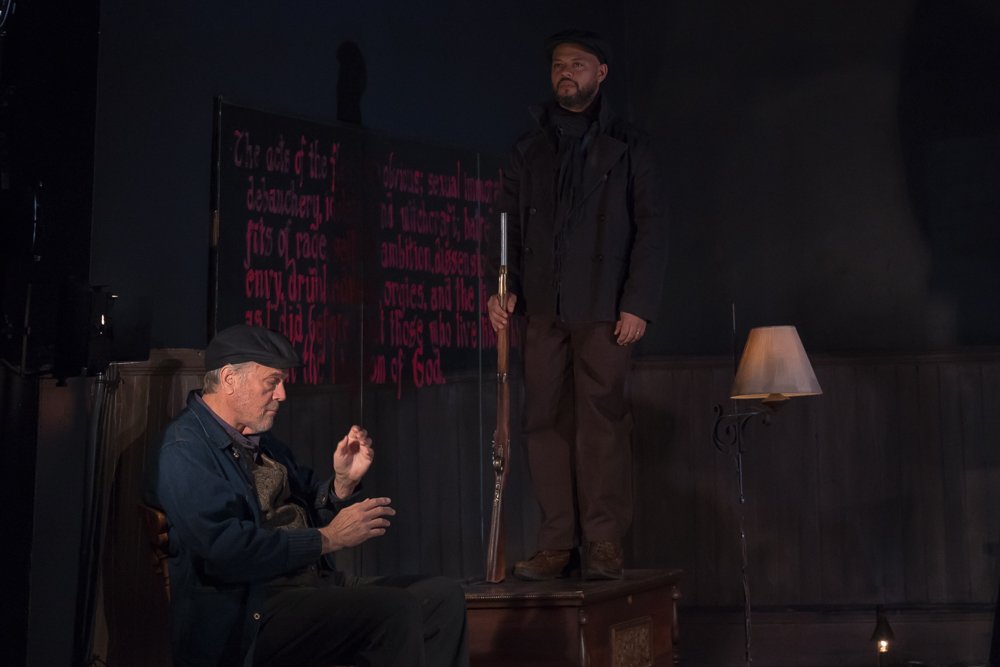
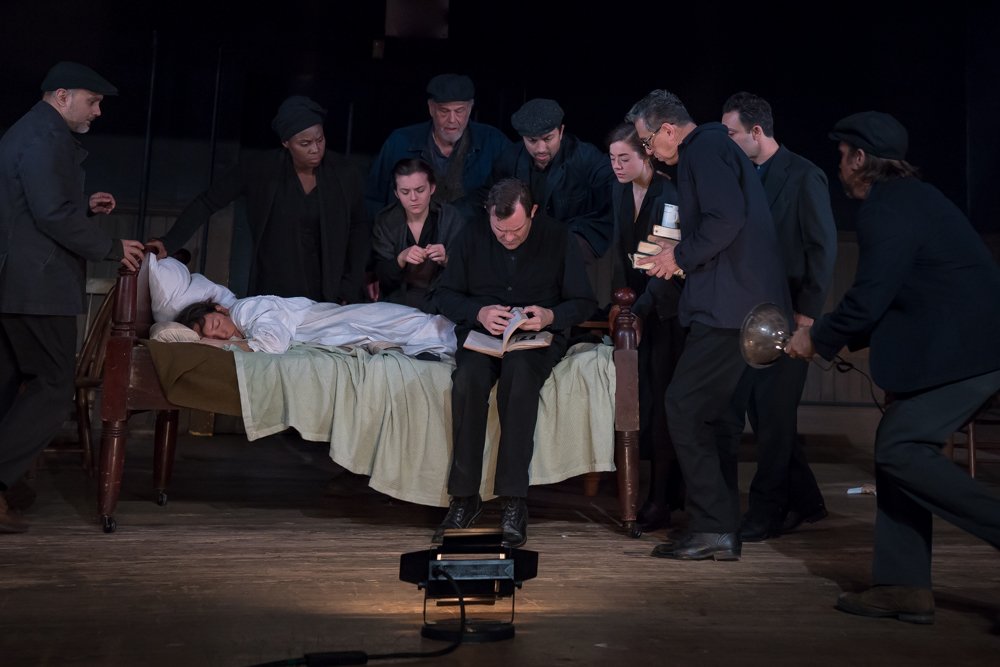
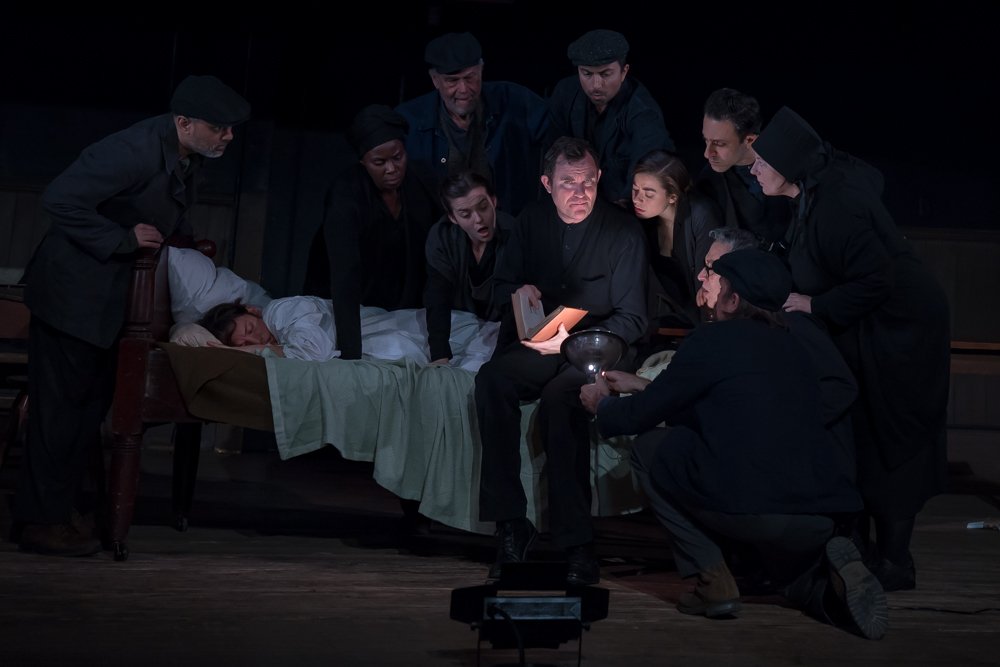
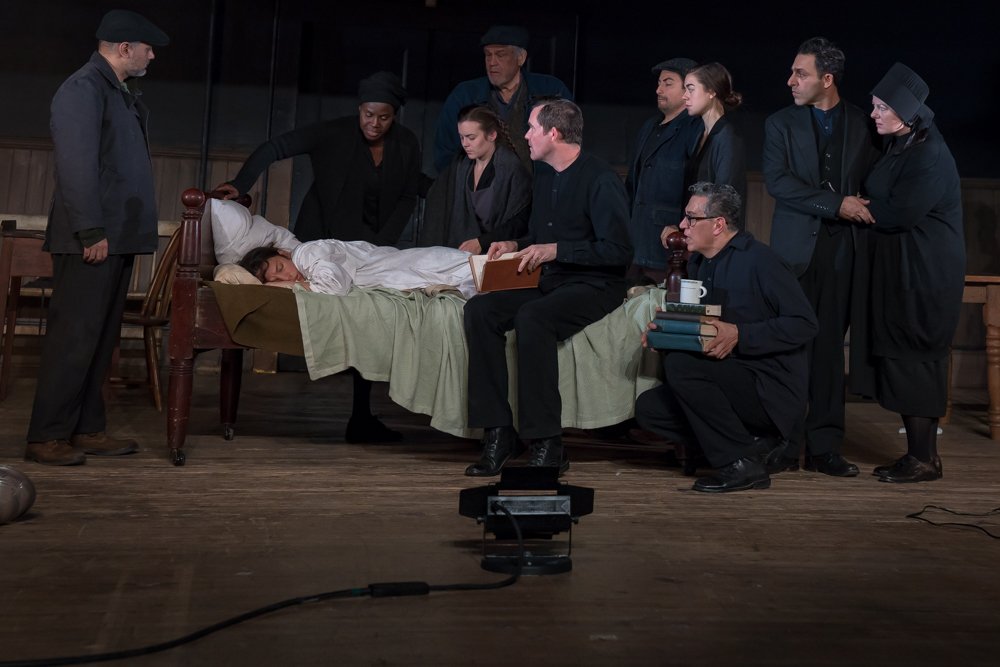
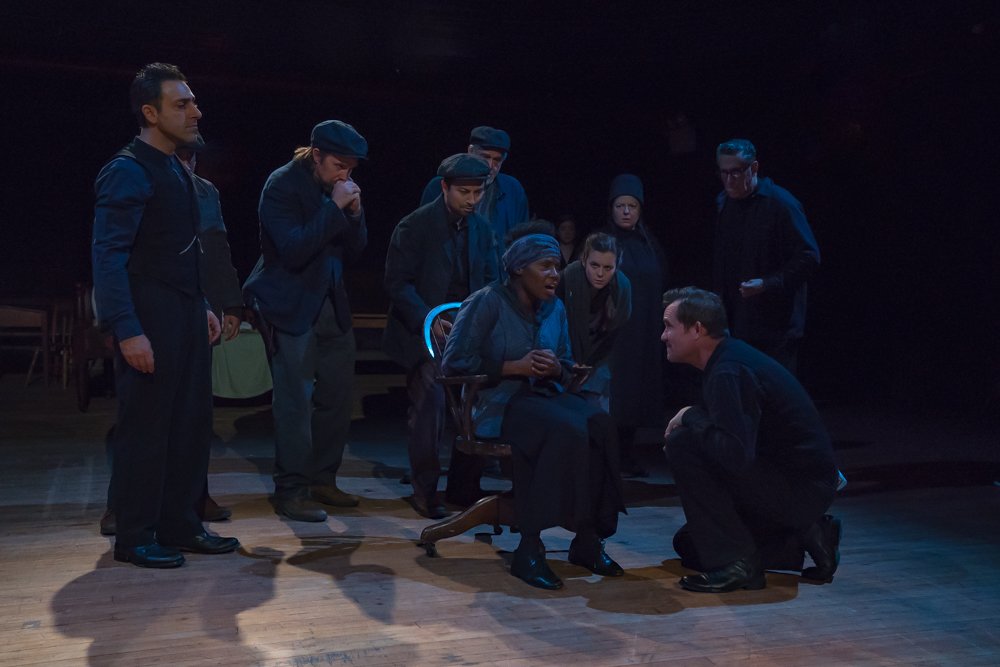
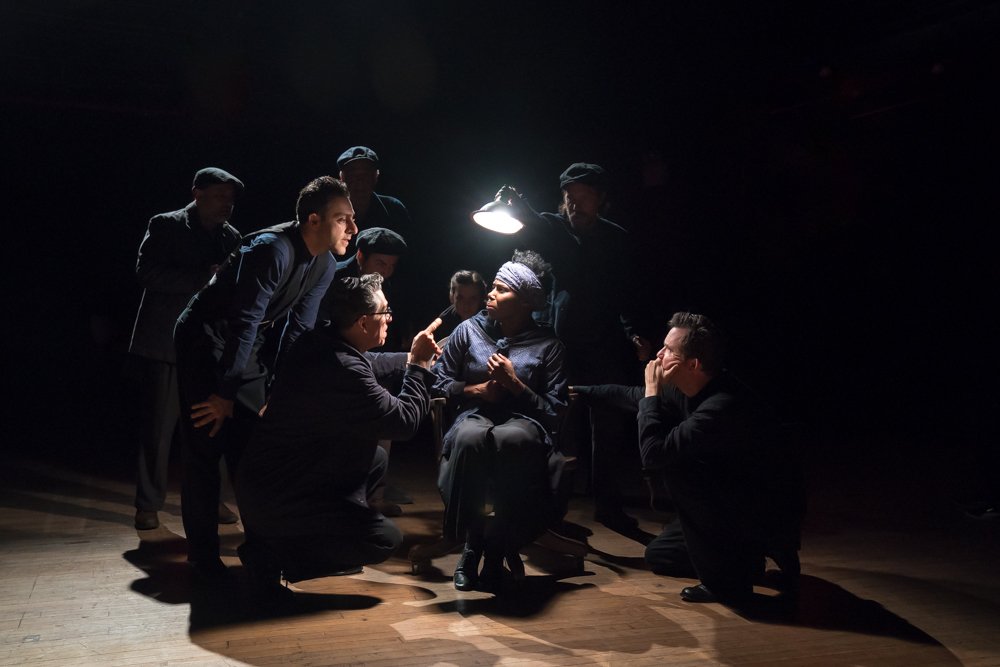
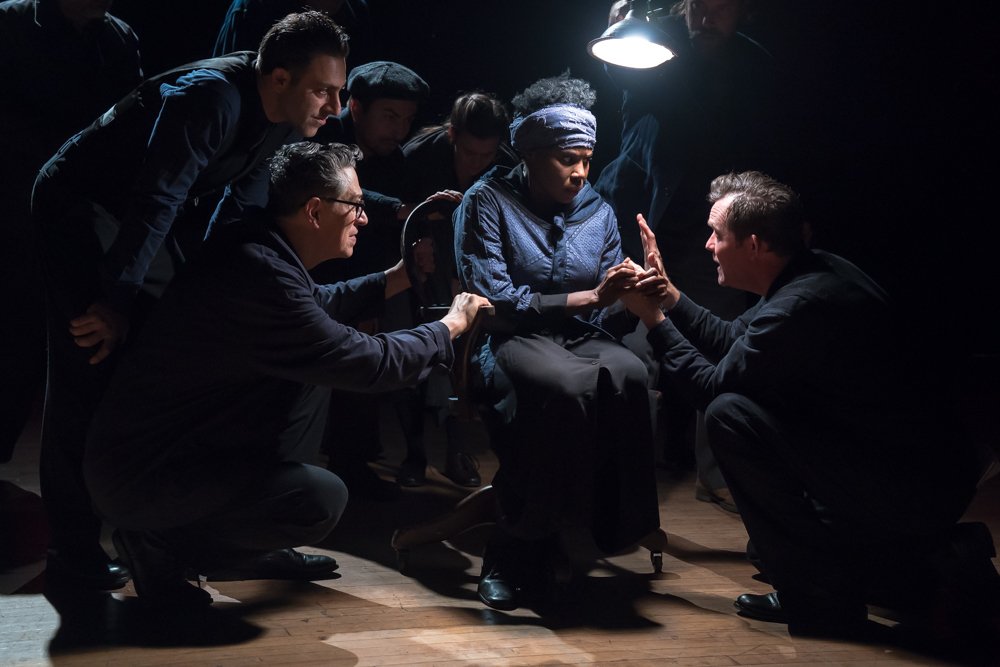
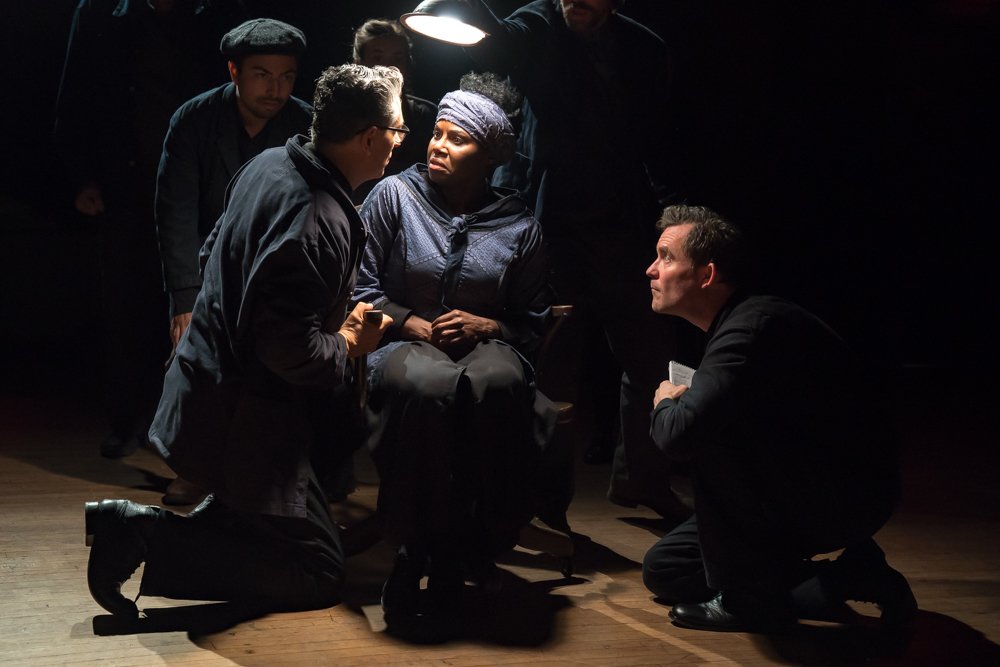
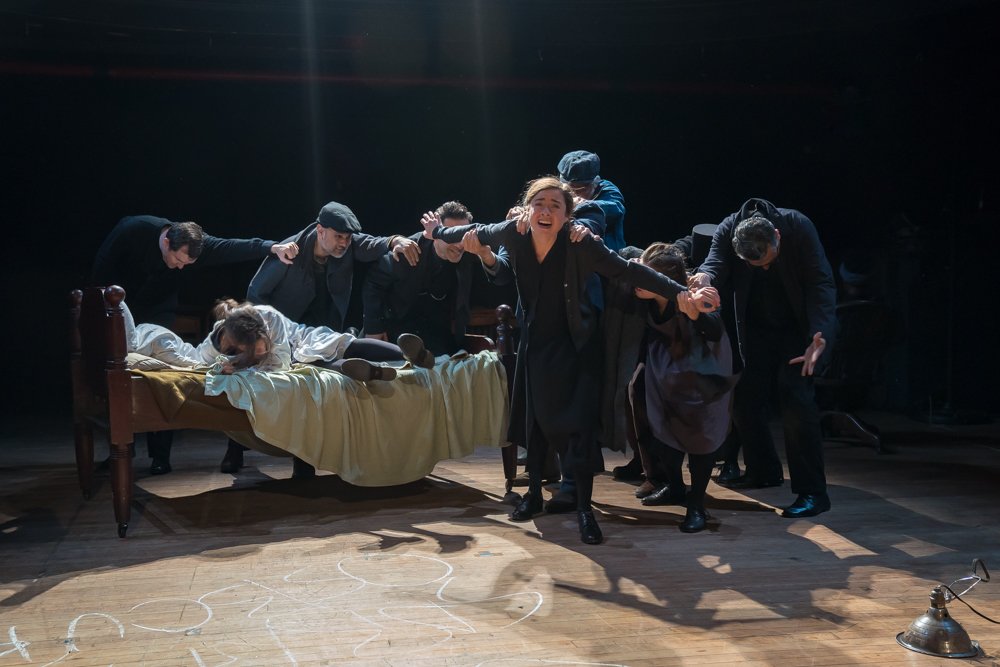
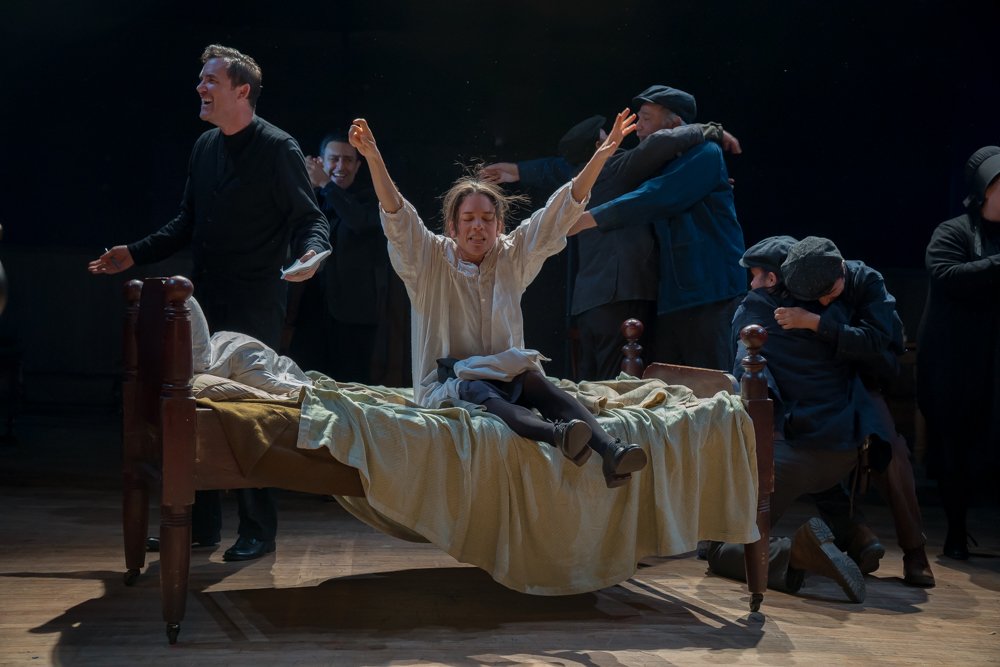
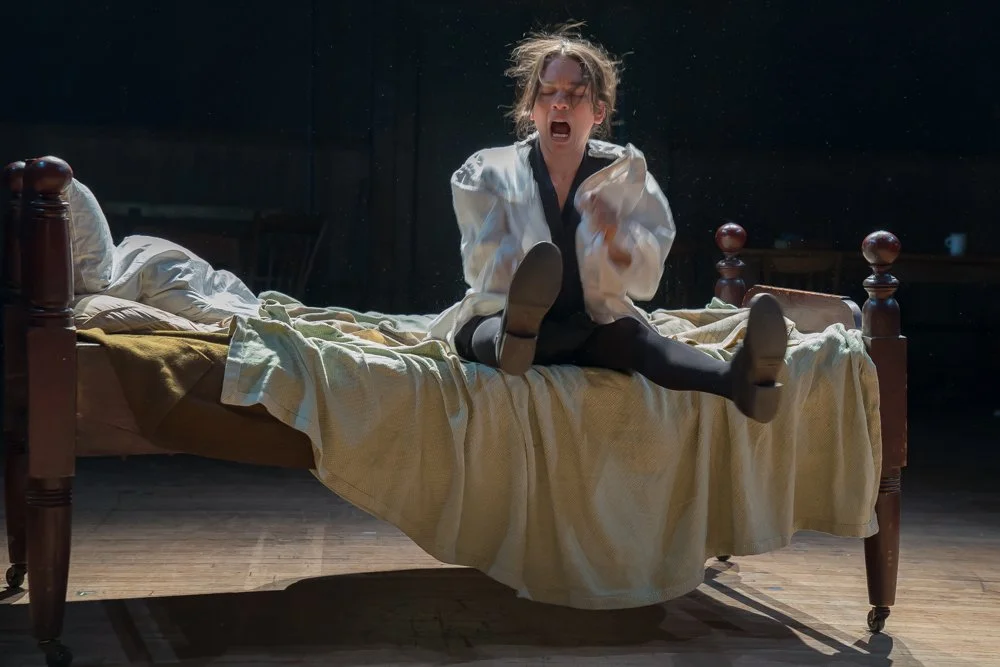
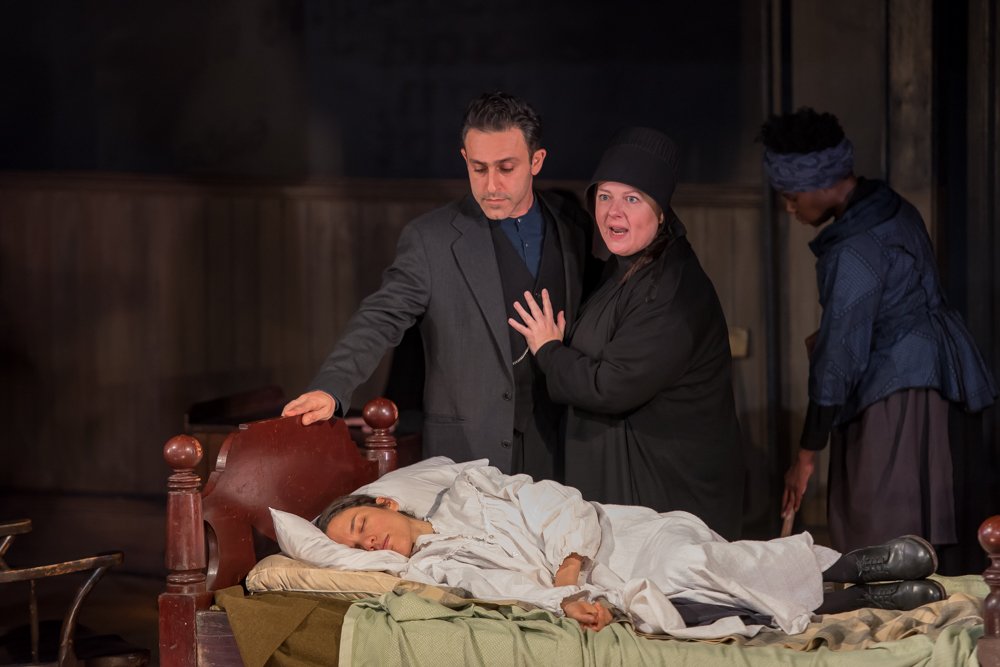
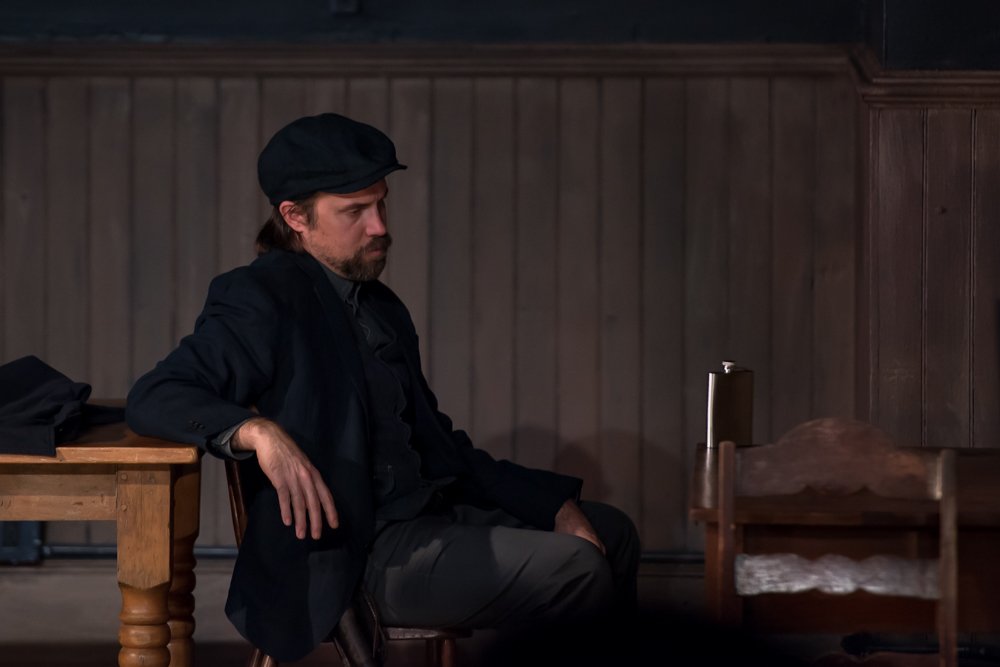
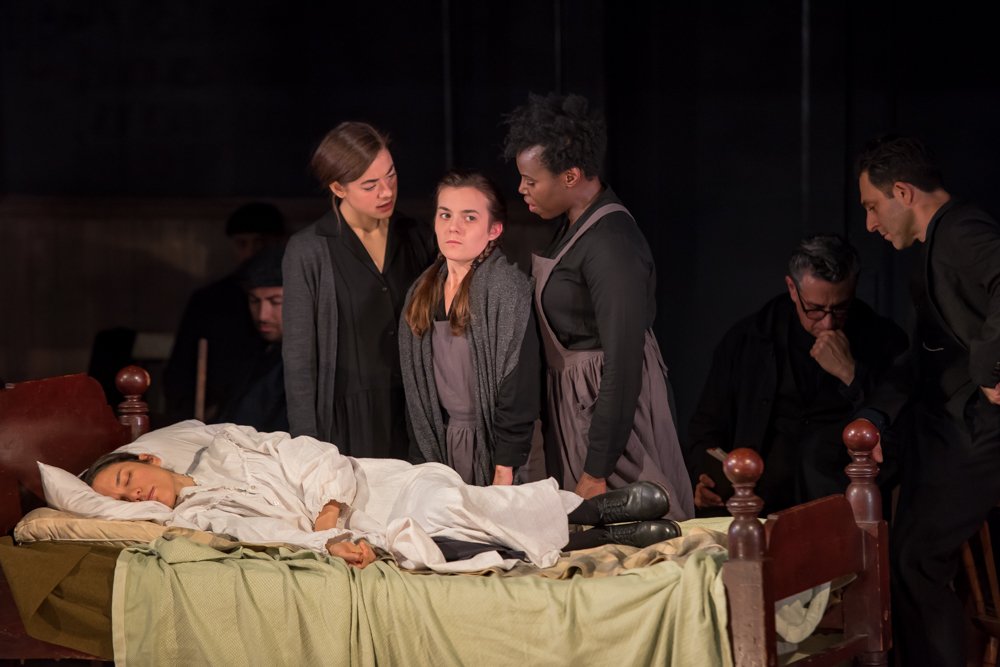
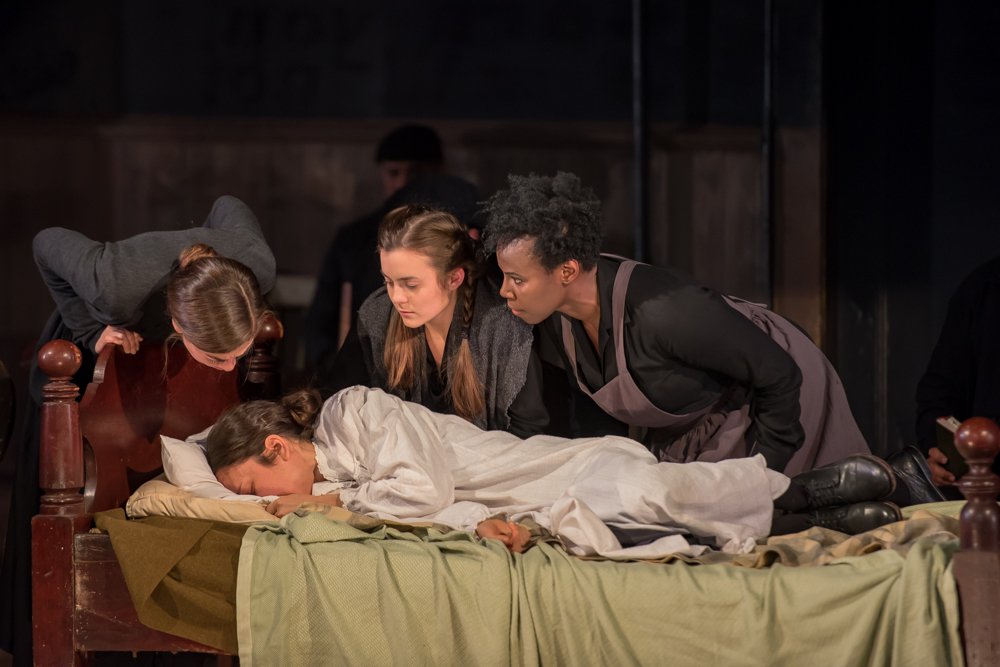
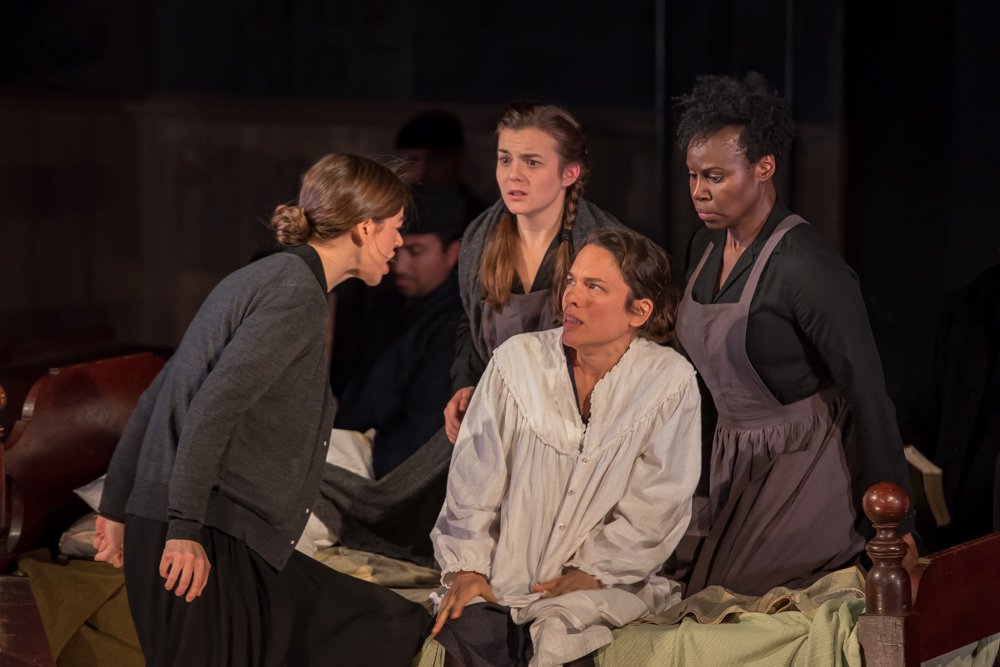
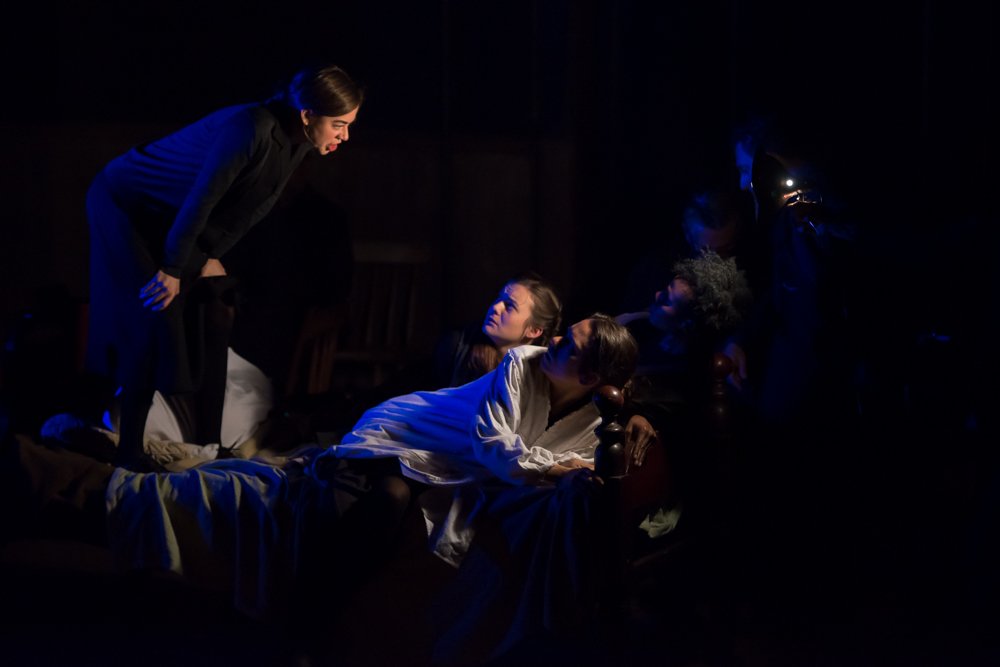
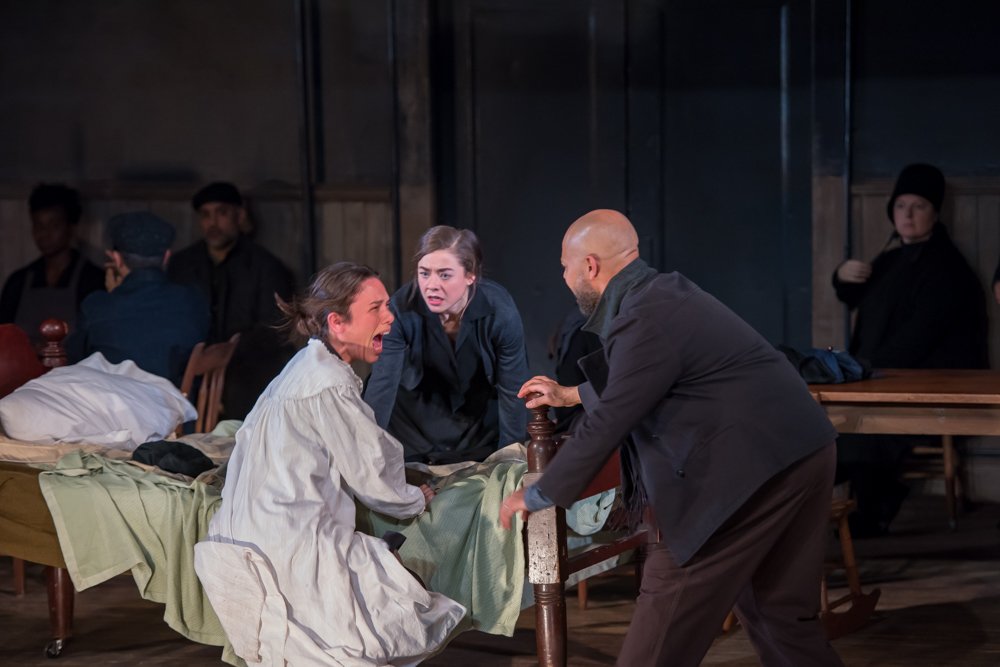
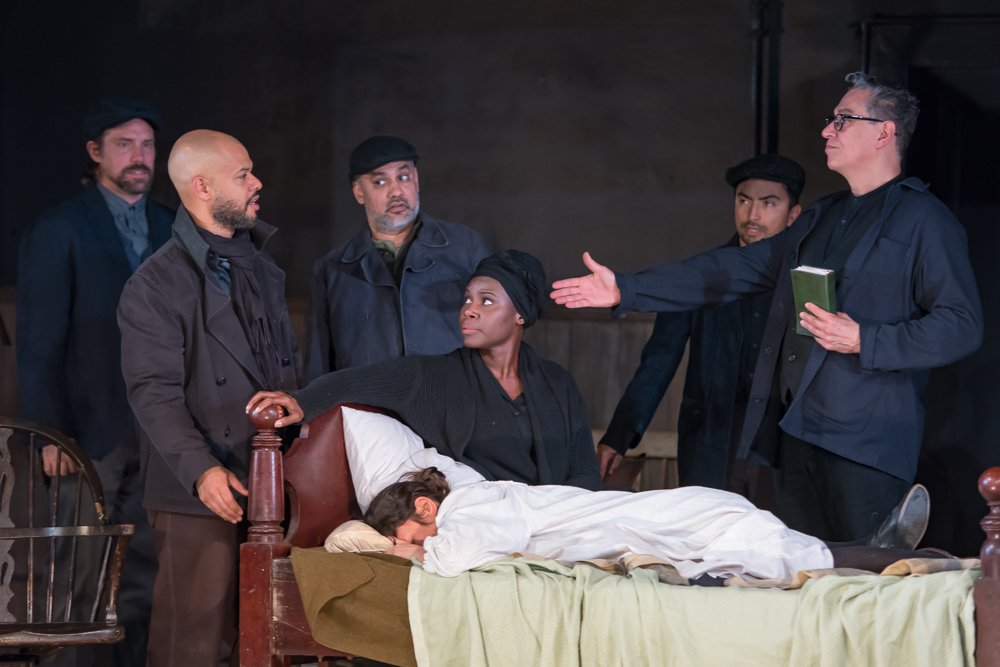
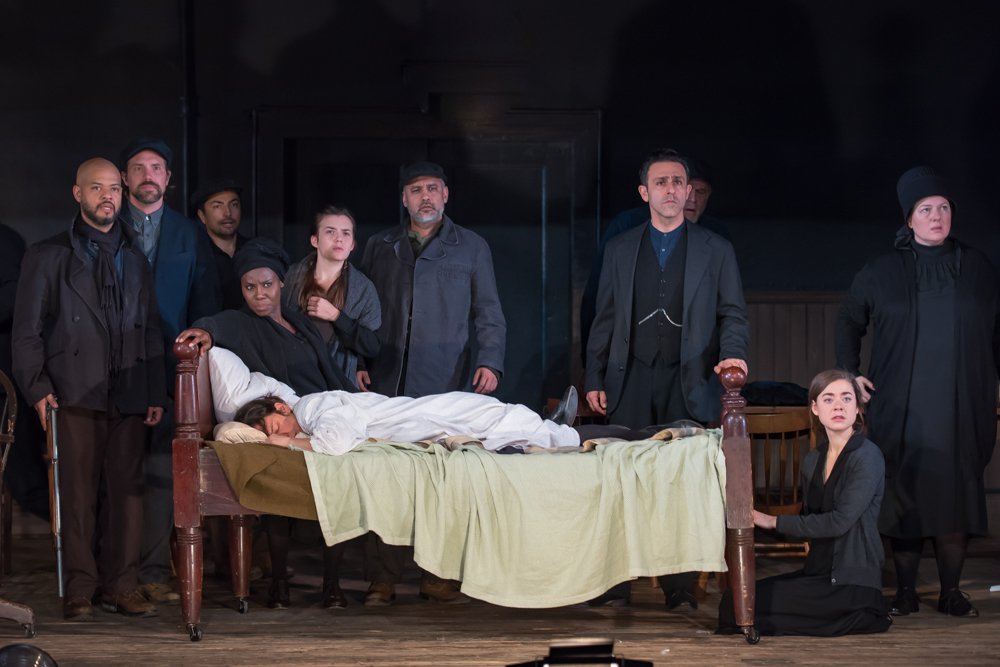
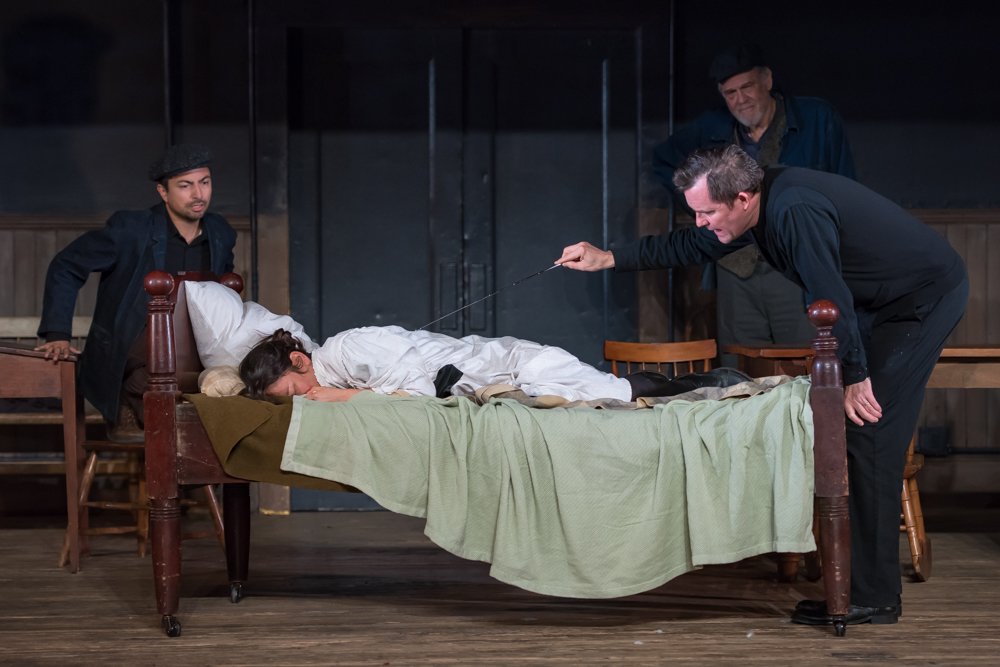
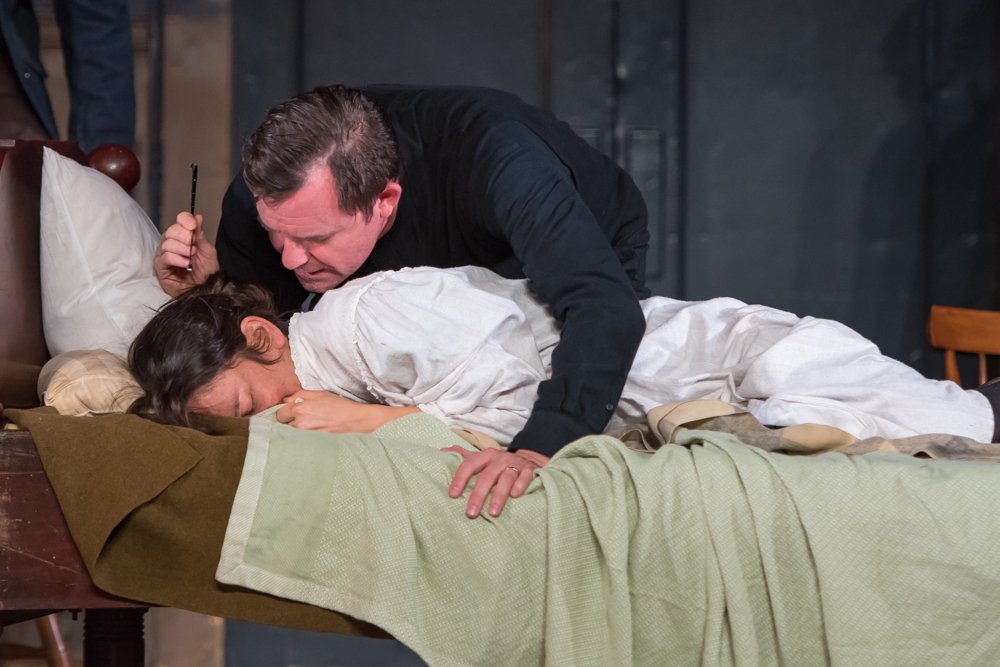
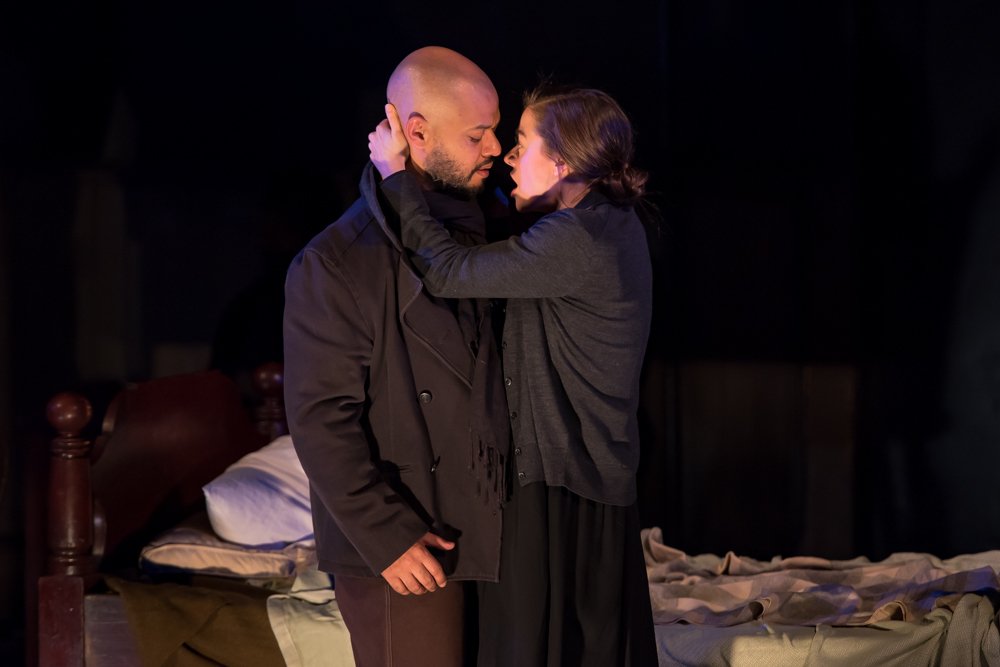
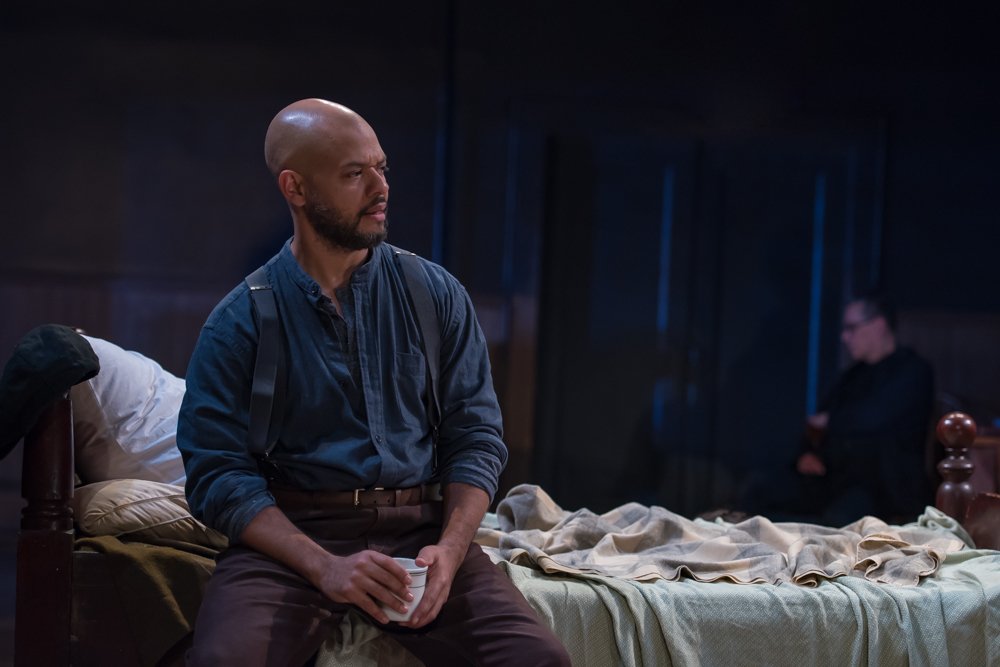
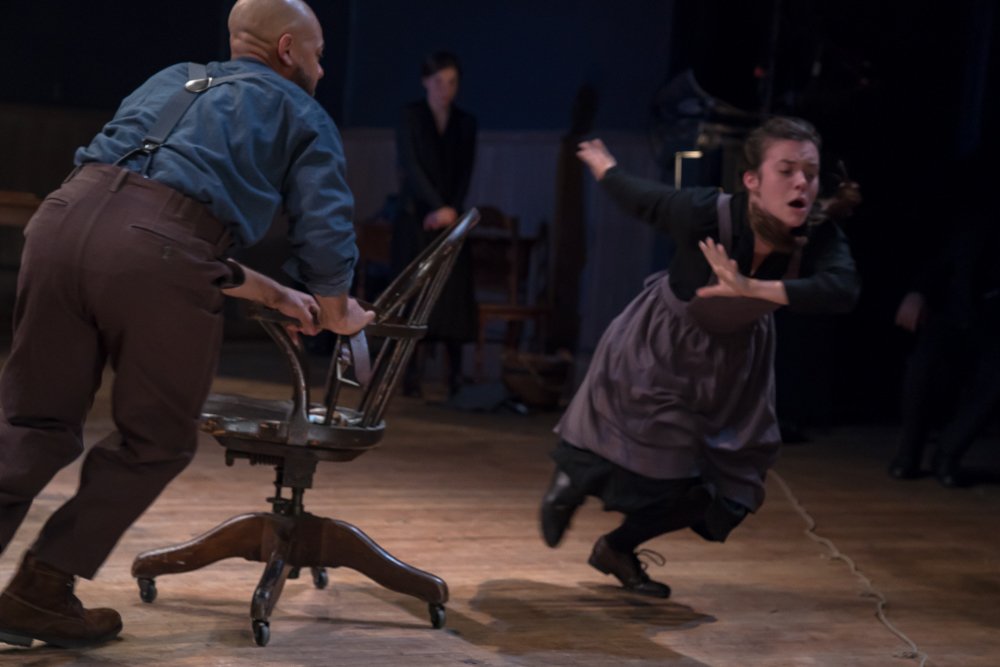
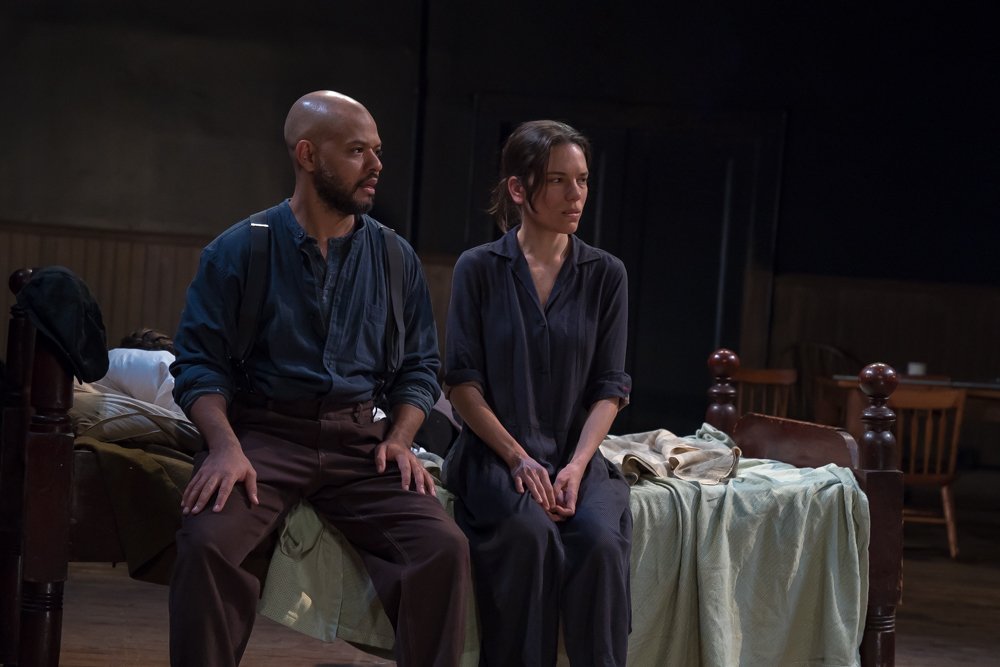
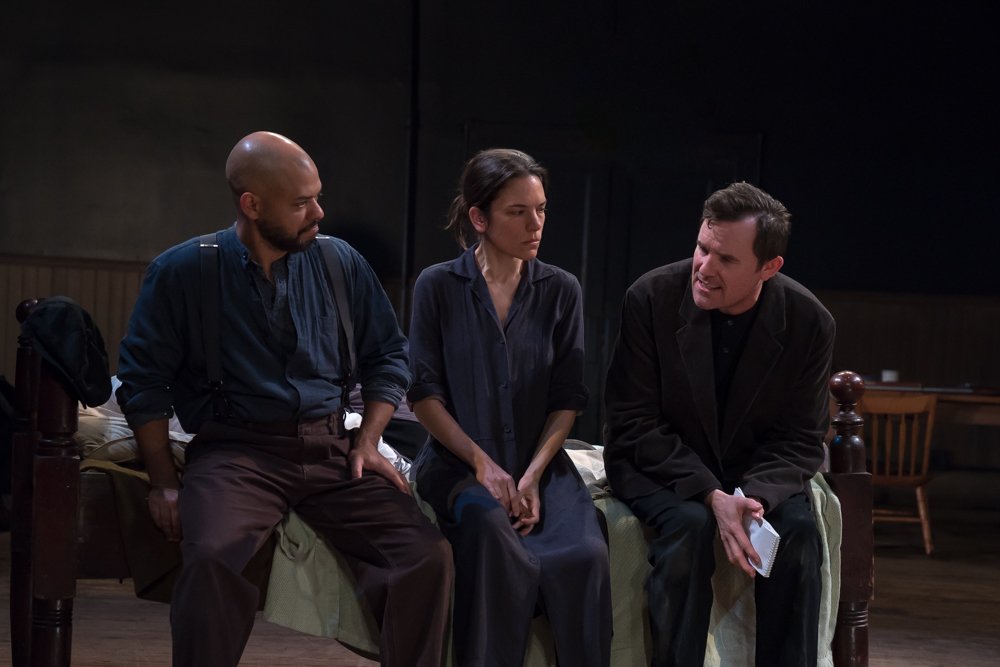
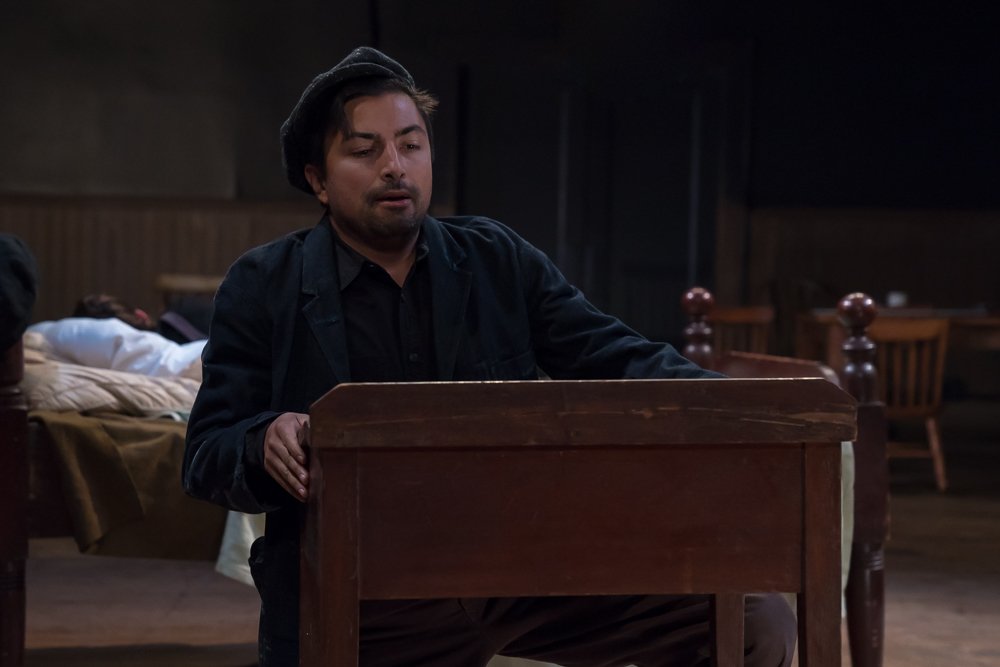
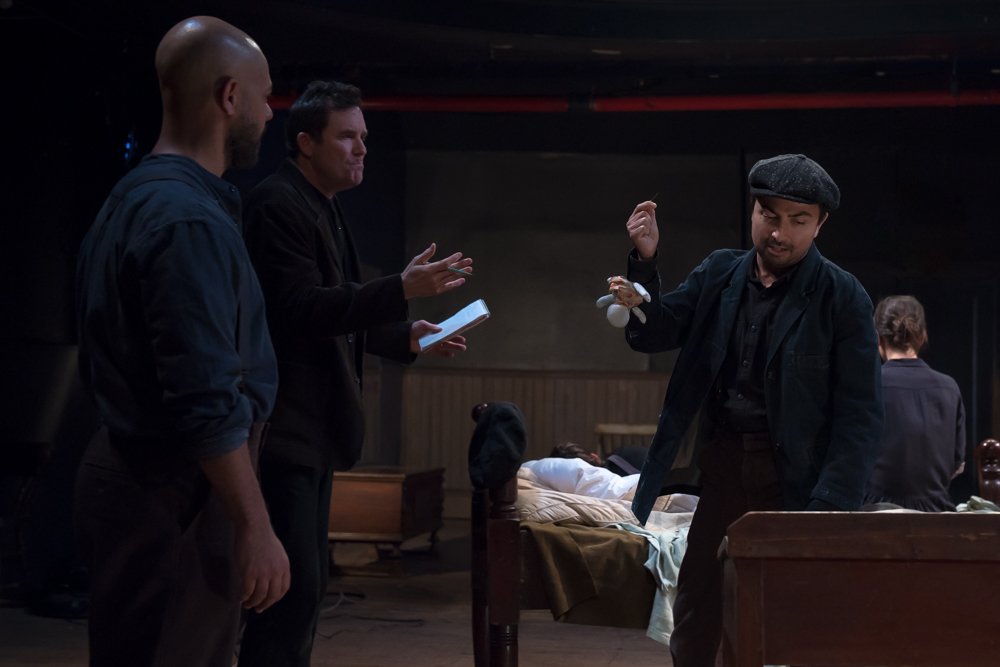
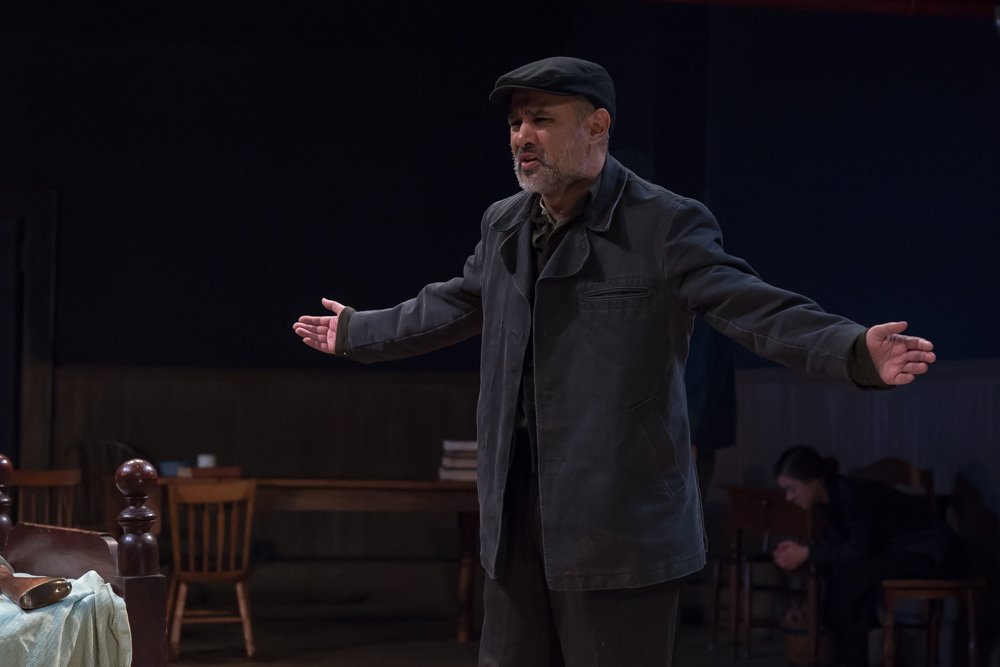
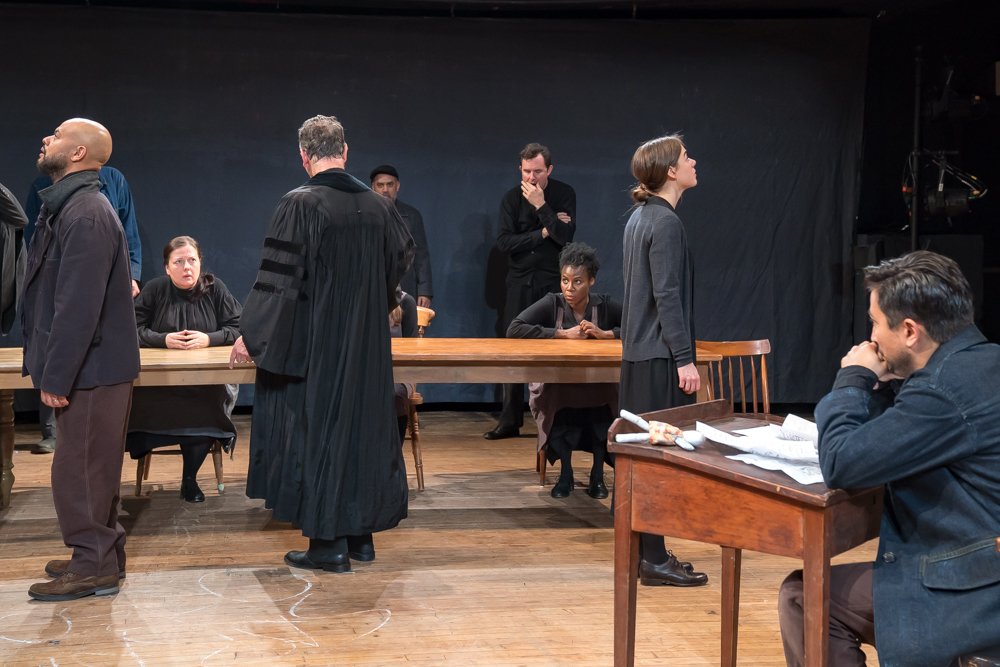
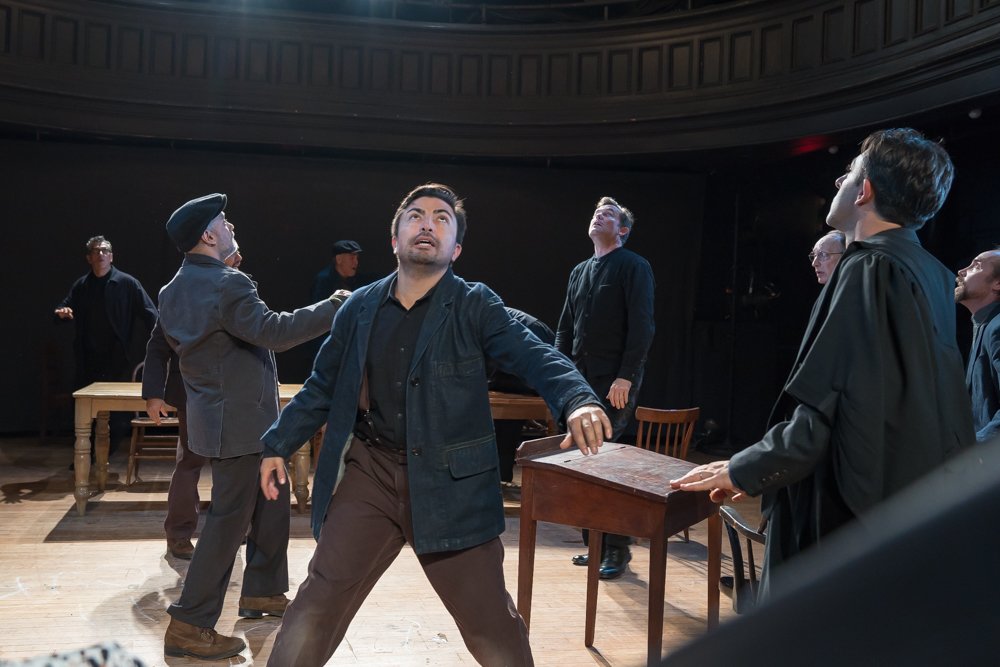
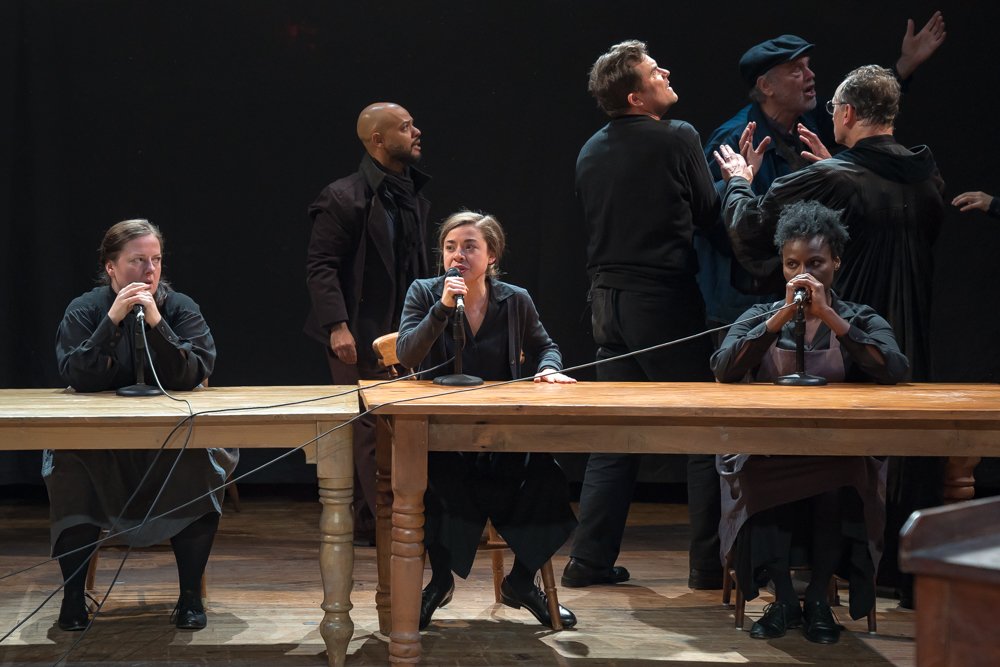
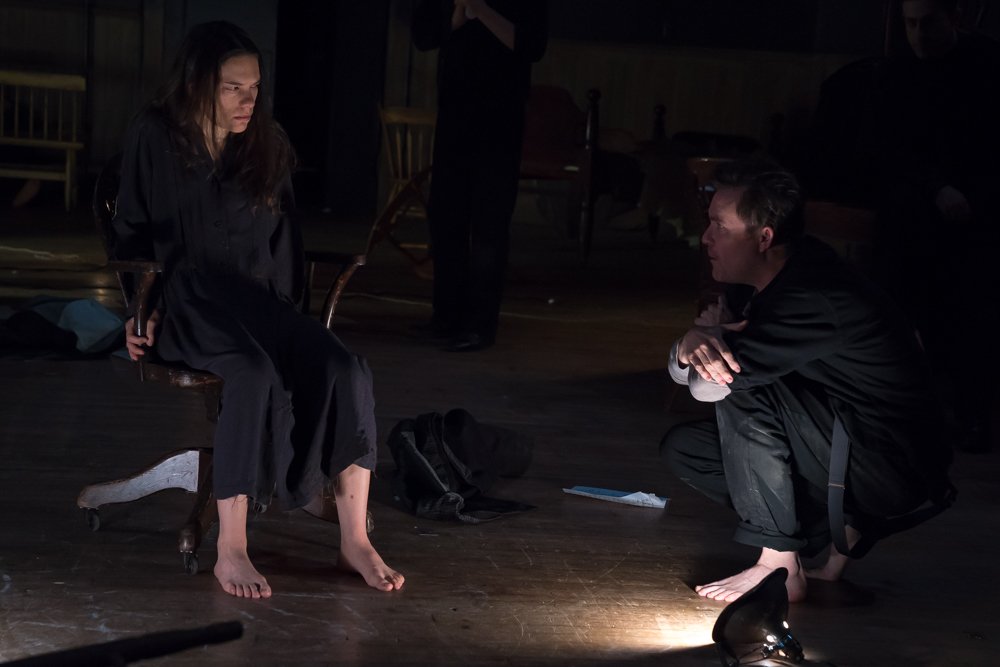
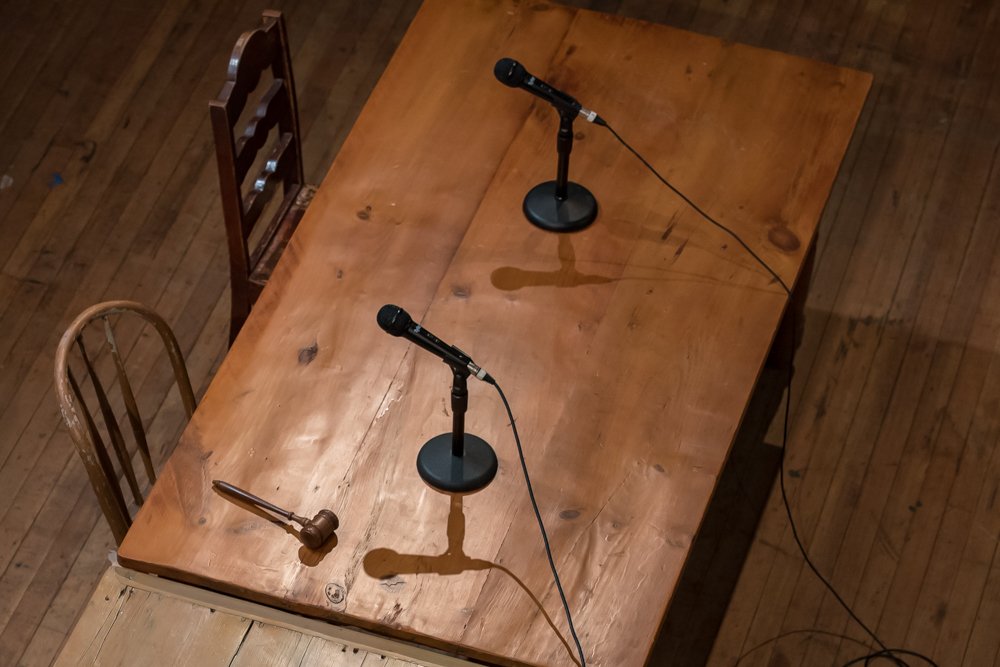
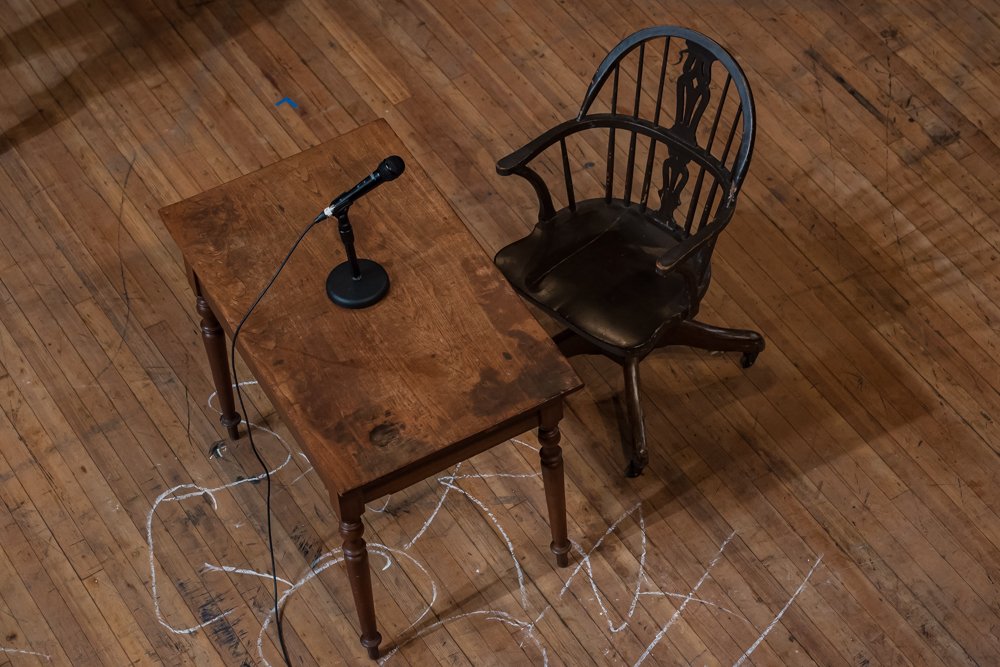
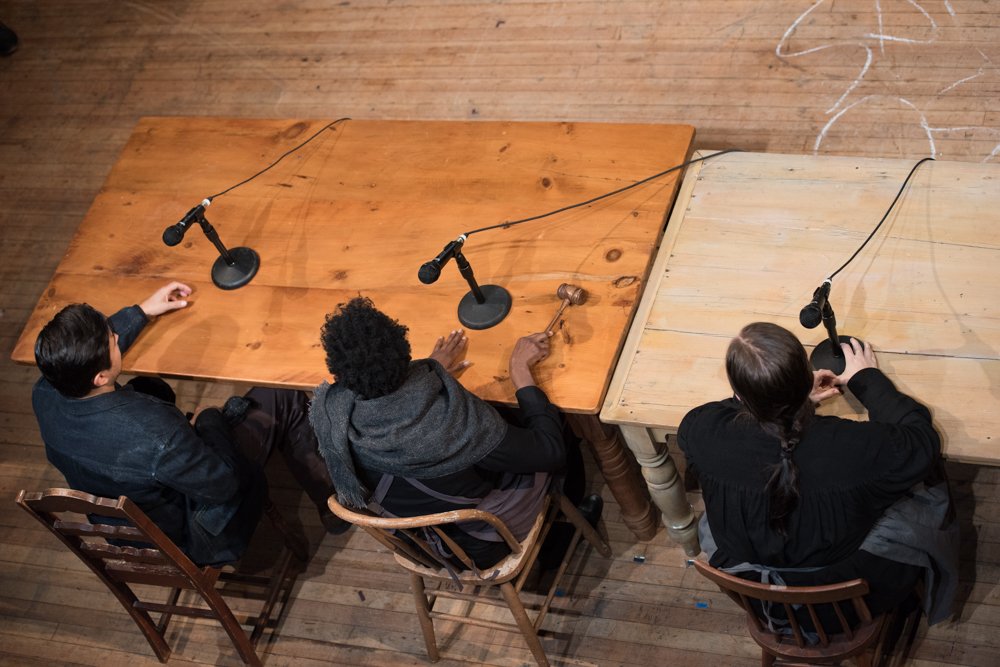
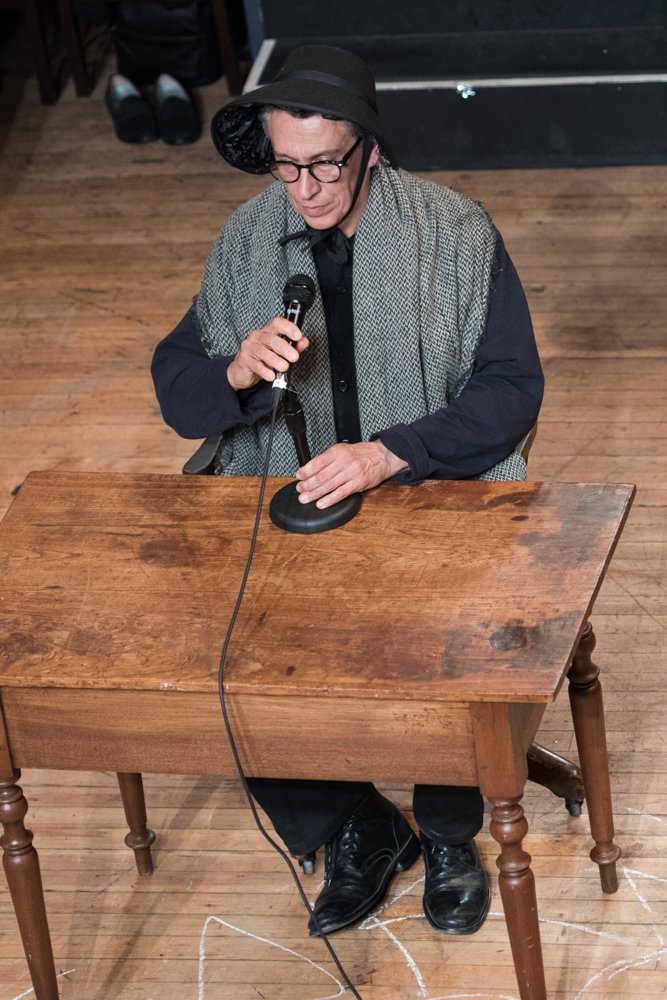
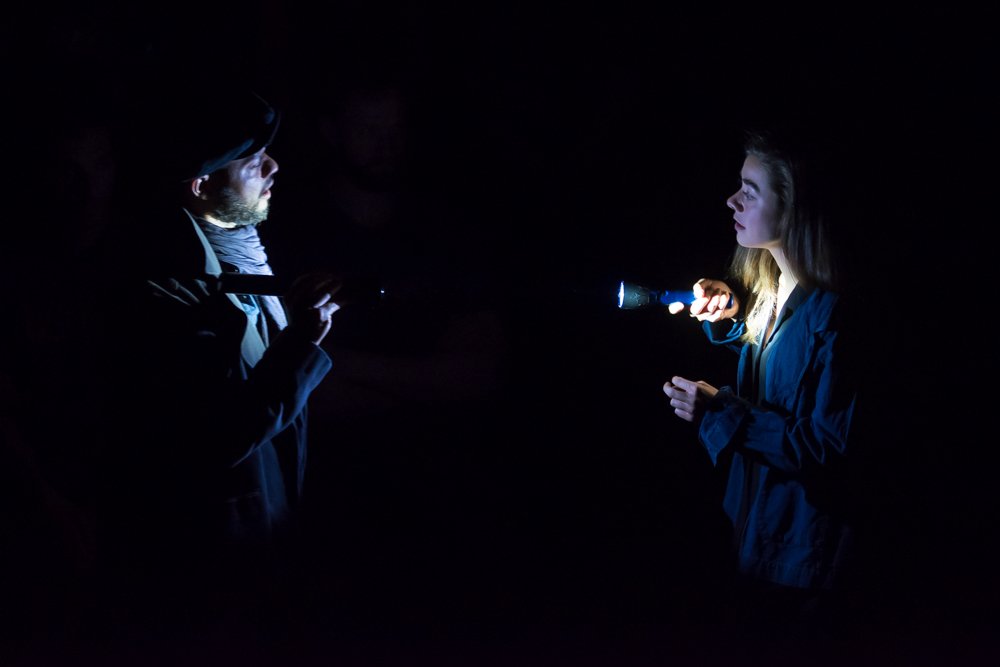
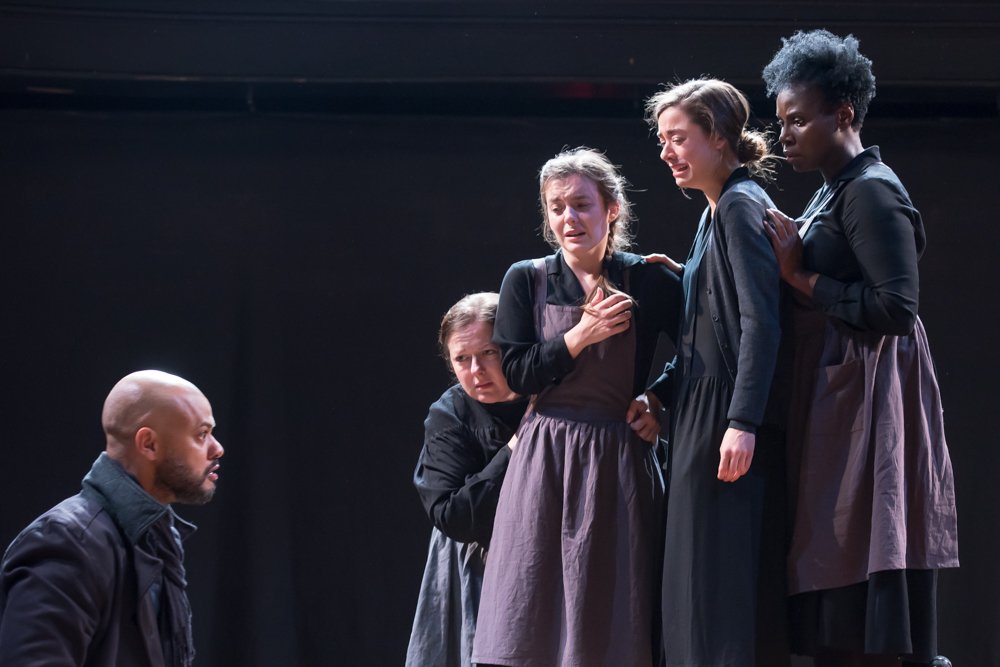
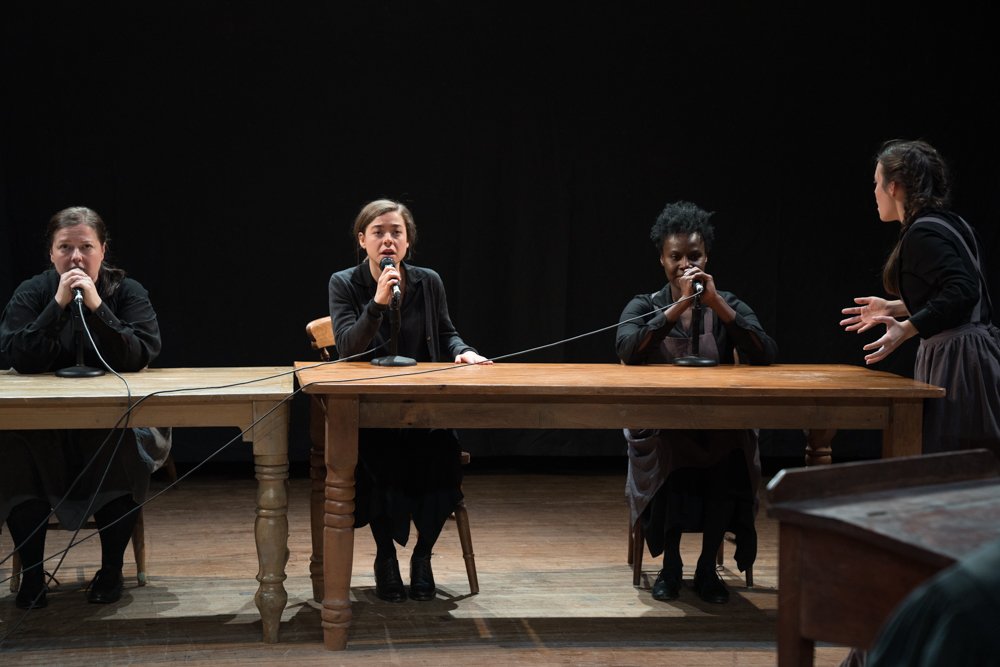
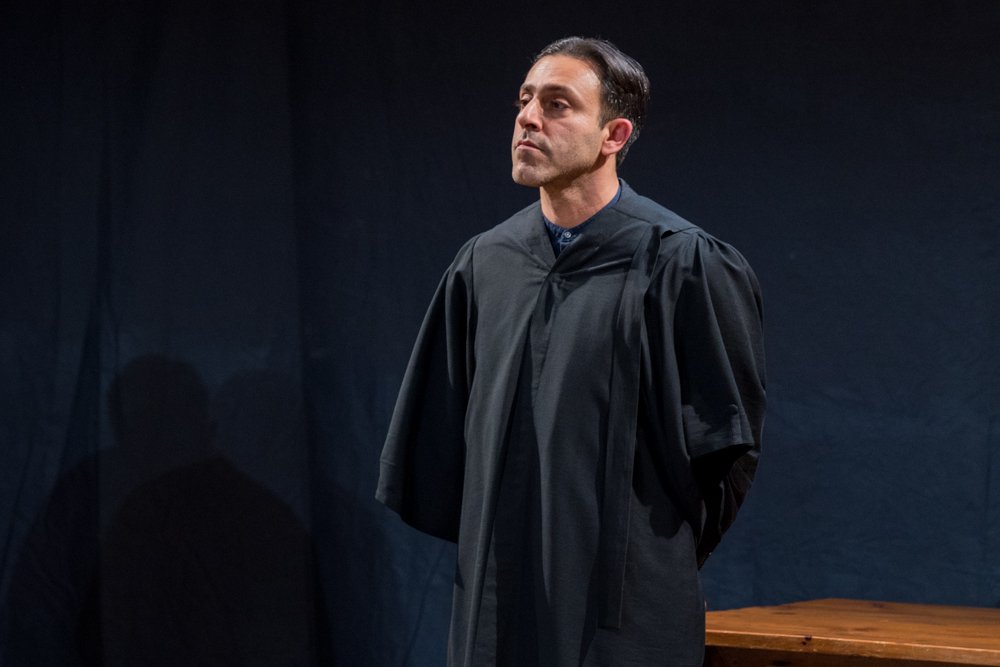
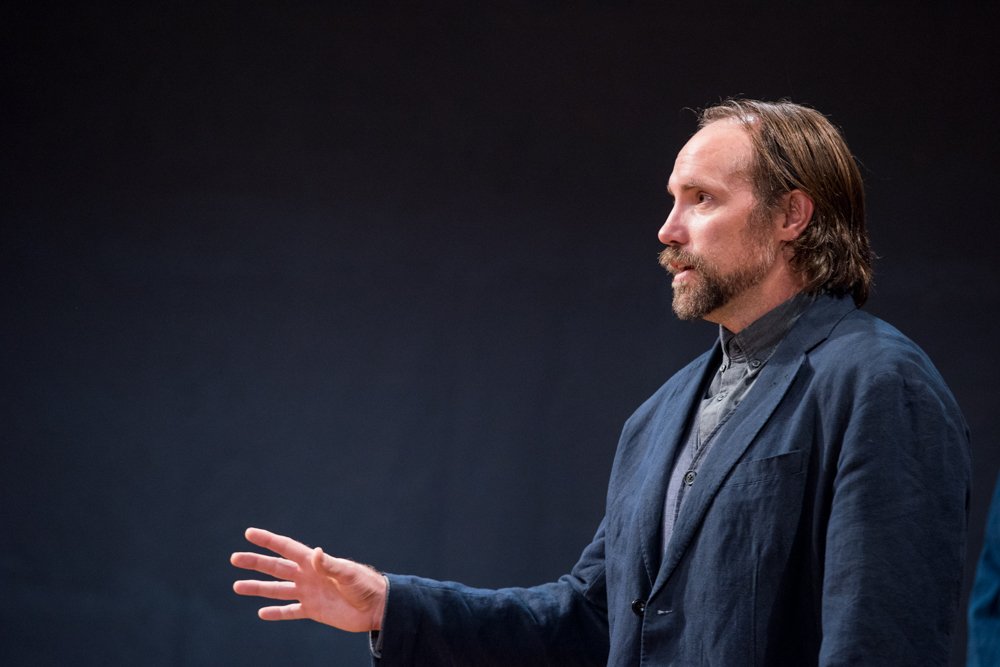
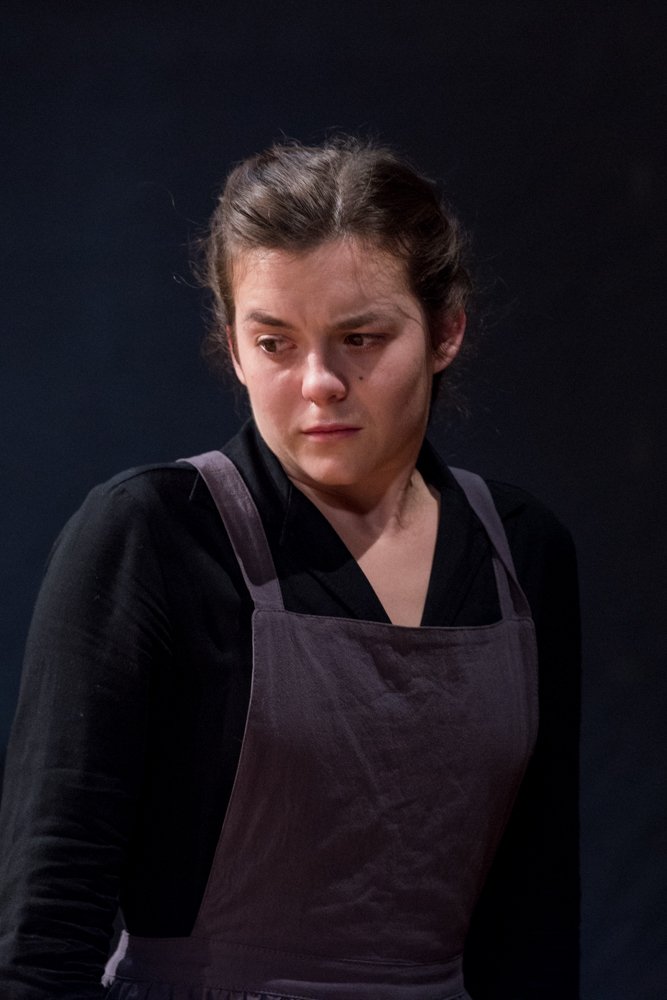
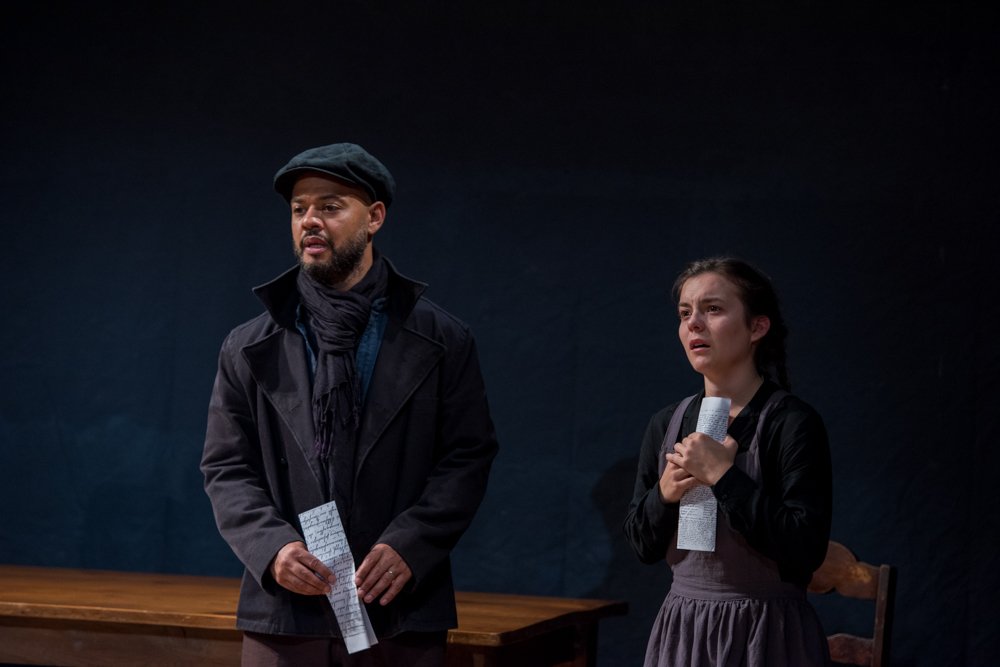
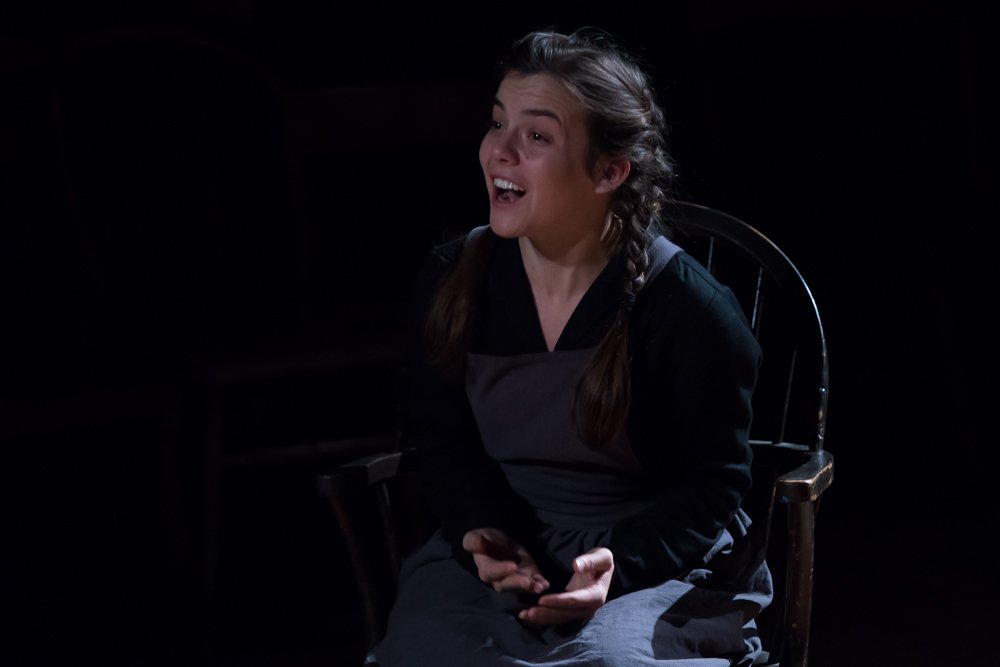
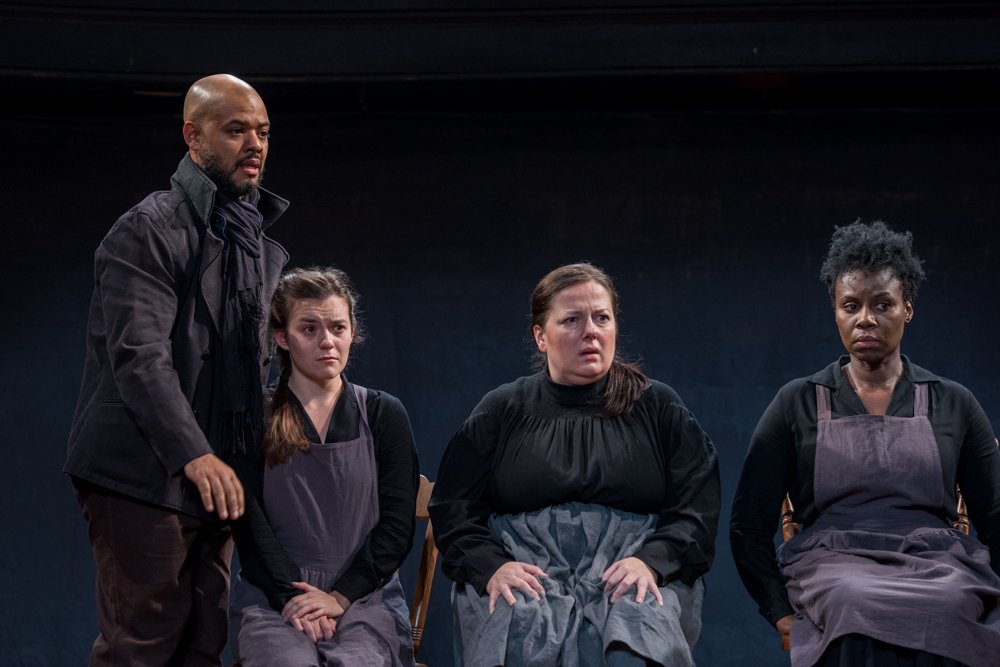
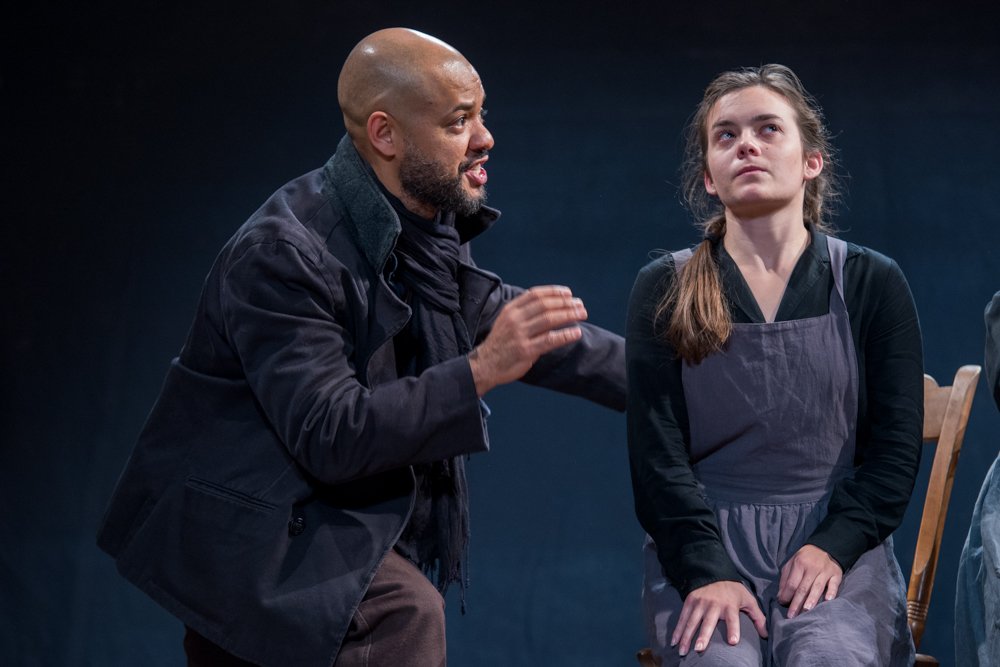
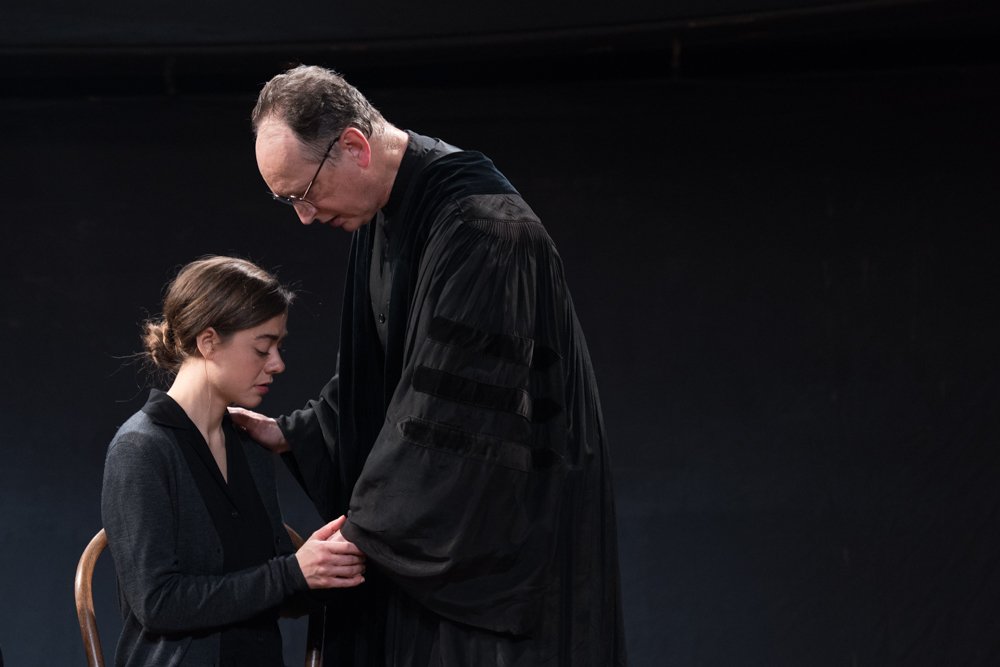
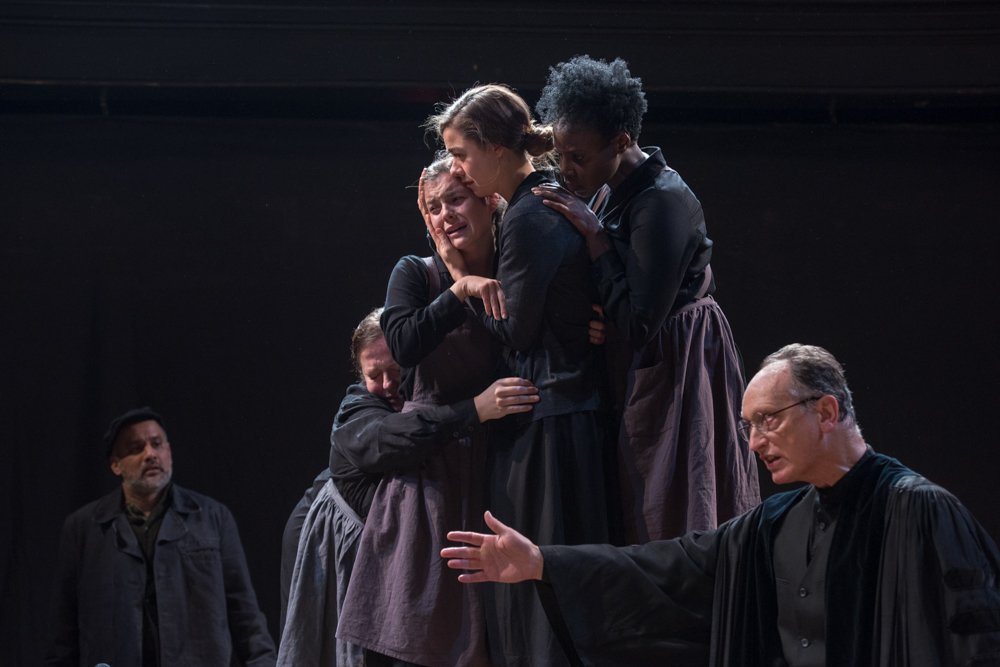
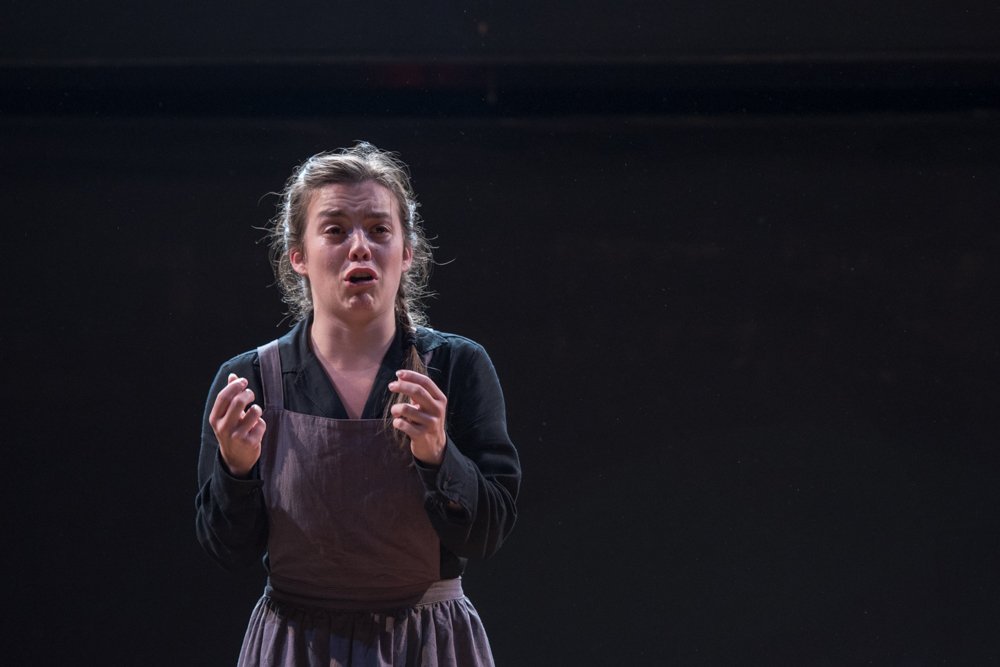
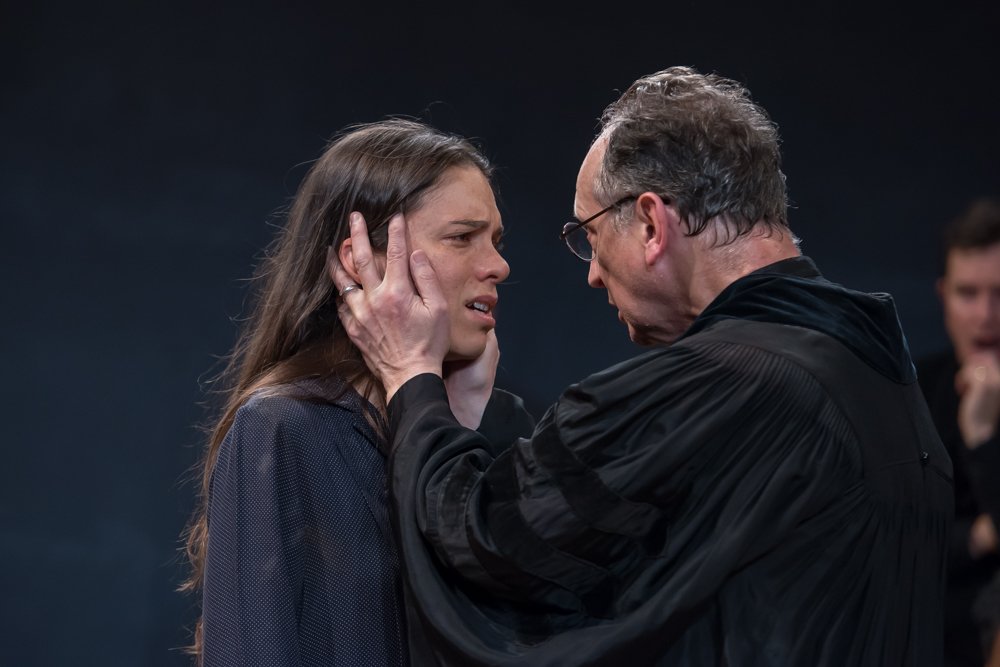
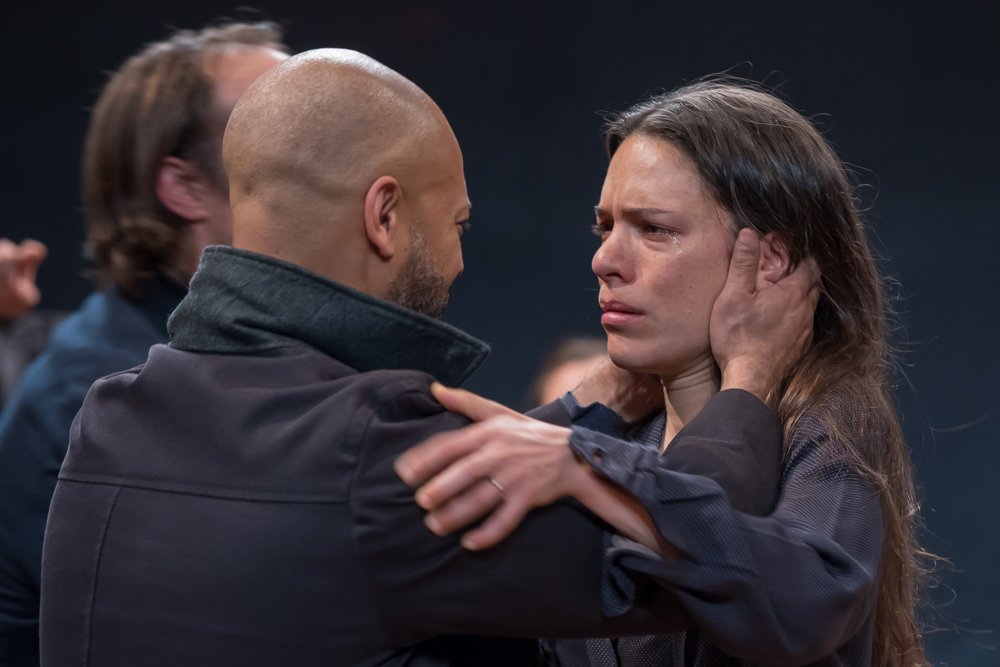
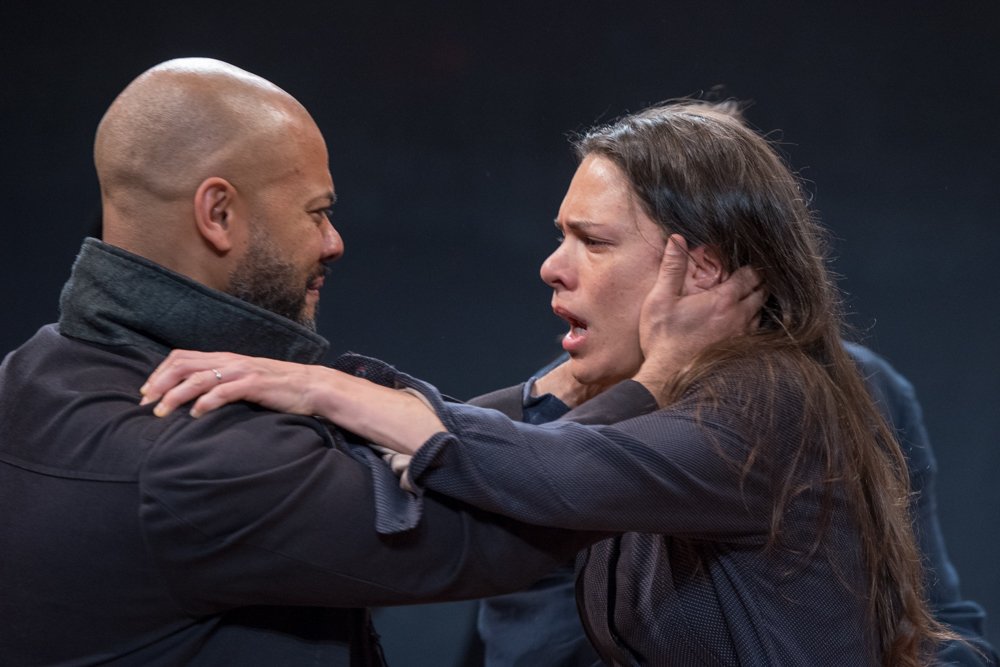
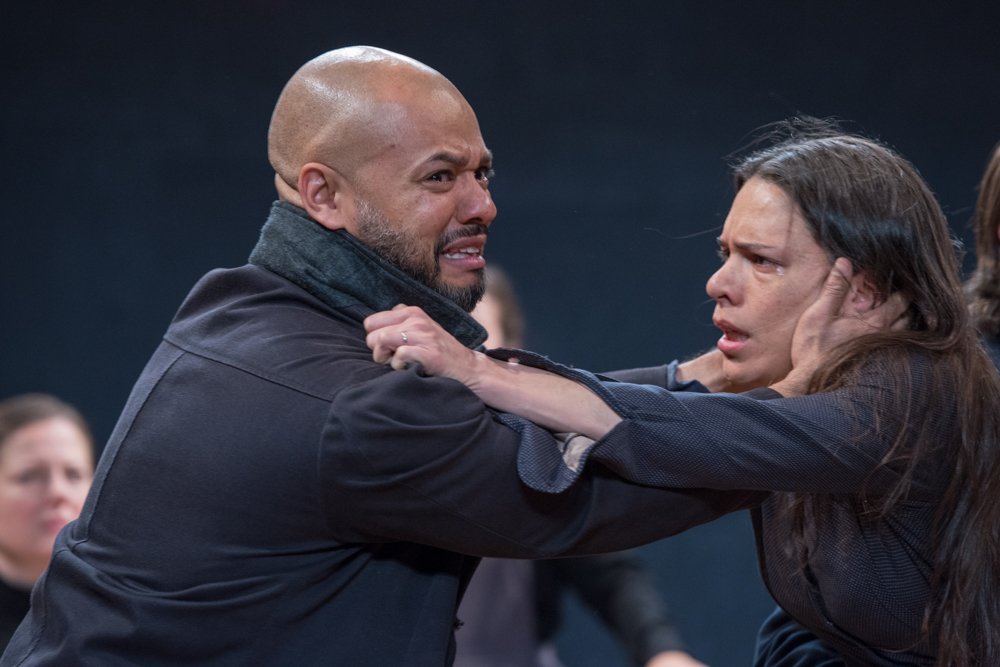
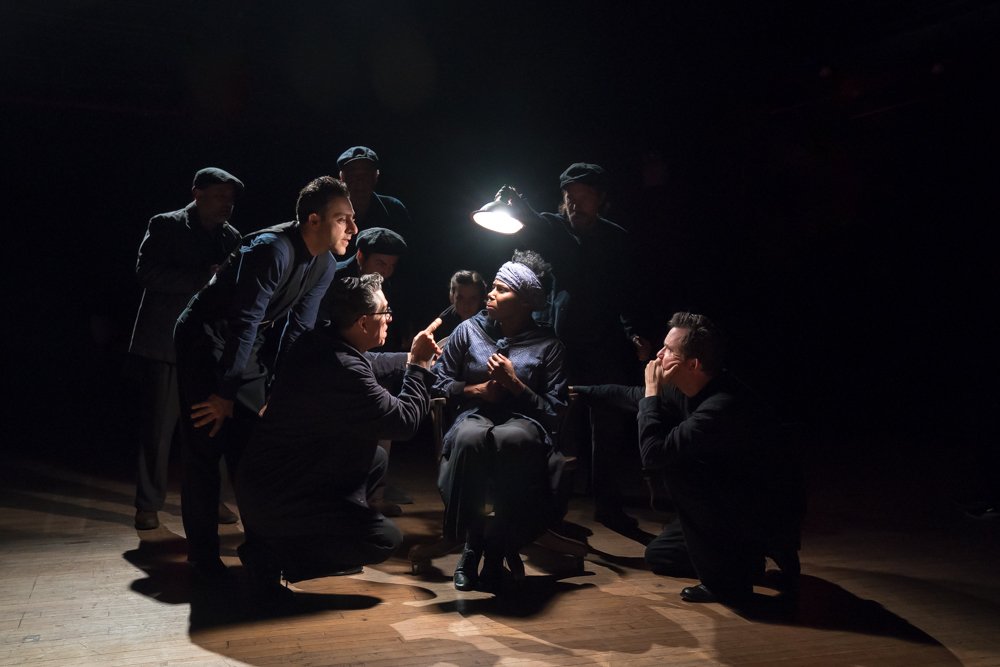
In Bedlam's The Crucible, directed by Eric Tucker, Salem is built and dismantled before the audience's eyes. Thirteen actors create an entire community with little more than chairs, tables, light, and their own bodies. Furniture is rearranged in full view, transforming domestic spaces into interrogation rooms and courtrooms. Actors remain present, watching and listening, so that even the most private encounters feel vulnerable to the scrutiny of the town. Handheld lights illuminate faces, expose secrets, and turn ordinary conversations into confrontations.
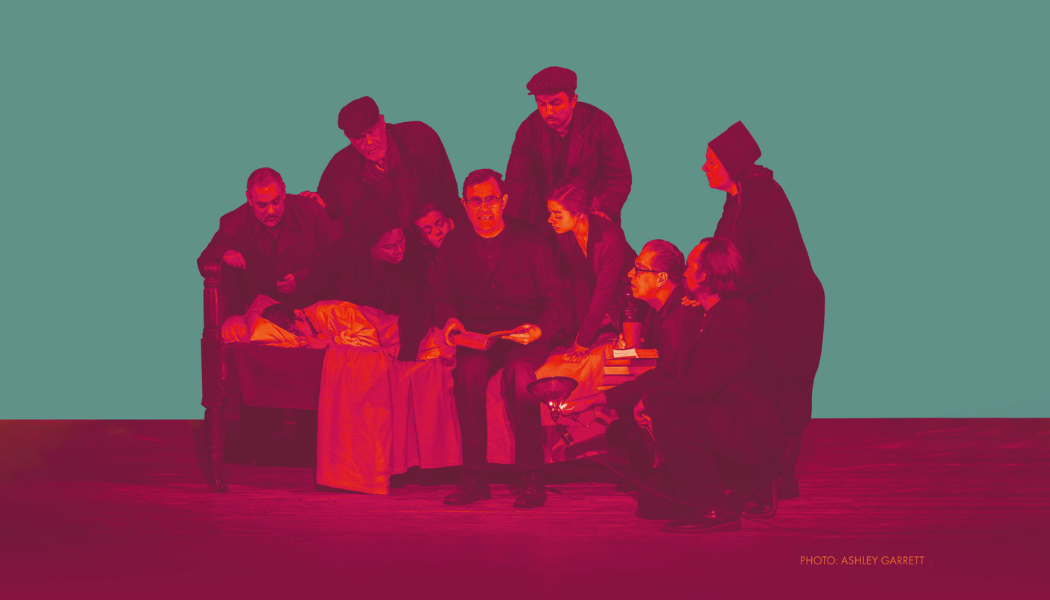
The staging refuses to let the audience remain comfortably outside the action. The physical proximity of actors and spectators makes accusation feel contagious. A glance becomes evidence. A whispered suspicion becomes public testimony. The ensemble's collective movements reveal how quickly individuals can surrender their judgment to the authority of a crowd.
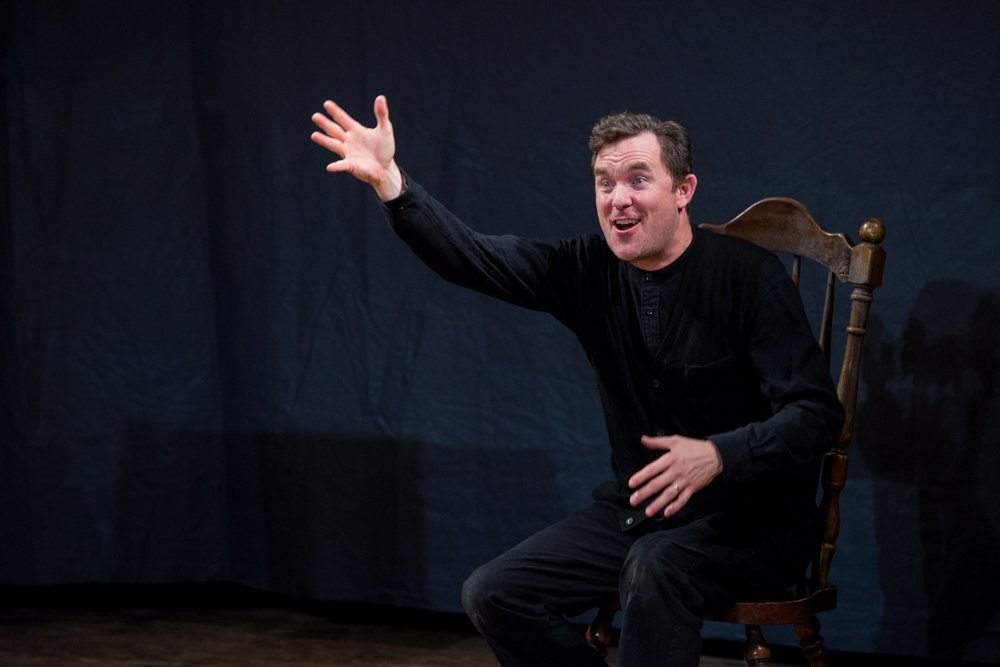
And Bedlam finds something unexpected in Miller's tragedy: the comedy of hysteria. The escalating accusations are initially so outrageous that they can provoke laughter. But as the machinery of persecution gathers momentum, that laughter becomes increasingly uncomfortable. What begins as absurdity ends in terror.
Stripped of period spectacle and performed with the transformations exposed, The Crucible becomes a demonstration of how a society manufactures its own reality—and how easily ordinary people can become participants in extraordinary cruelty.
At its center is a man who has made terrible mistakes but refuses to save his life by condemning another.