GET IN THE ROOM WITH US.
OUR STORY.
2012 —
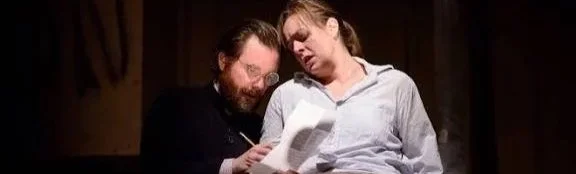
SAINT JOAN.
Bedlam begins with four actors, virtually no scenery, and Shaw's Saint Joan. The production establishes the basic Bedlam vocabulary: radically reduced casting, actors and audience sharing the same space, reconfiguration of the room, and storytelling taking precedence over conventional production values.
2013 SAINT
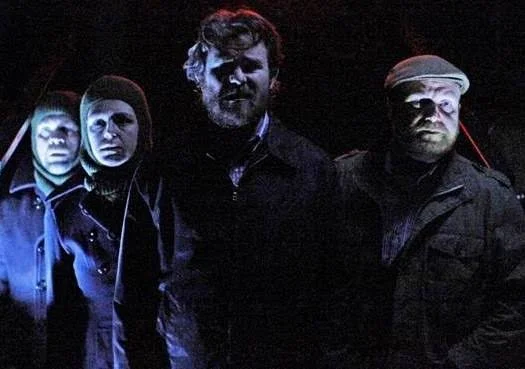
JOAN / HAMLET
Saint Joan returns to Access Theater alongside a new four-actor Hamlet, with the same company performing both plays in repertory. The experiment turns Bedlam's stripped-down approach into something larger: a company aesthetic built around transformation, doubling, intimacy, and the actor at the center of the event. The productions travel together to Olney Theatre Center before returning to New York for an extended commercial run at the Lynn Redgrave Theatre. What began as an experiment in a tiny downtown room is becoming a company—and attracting national attention.

2014
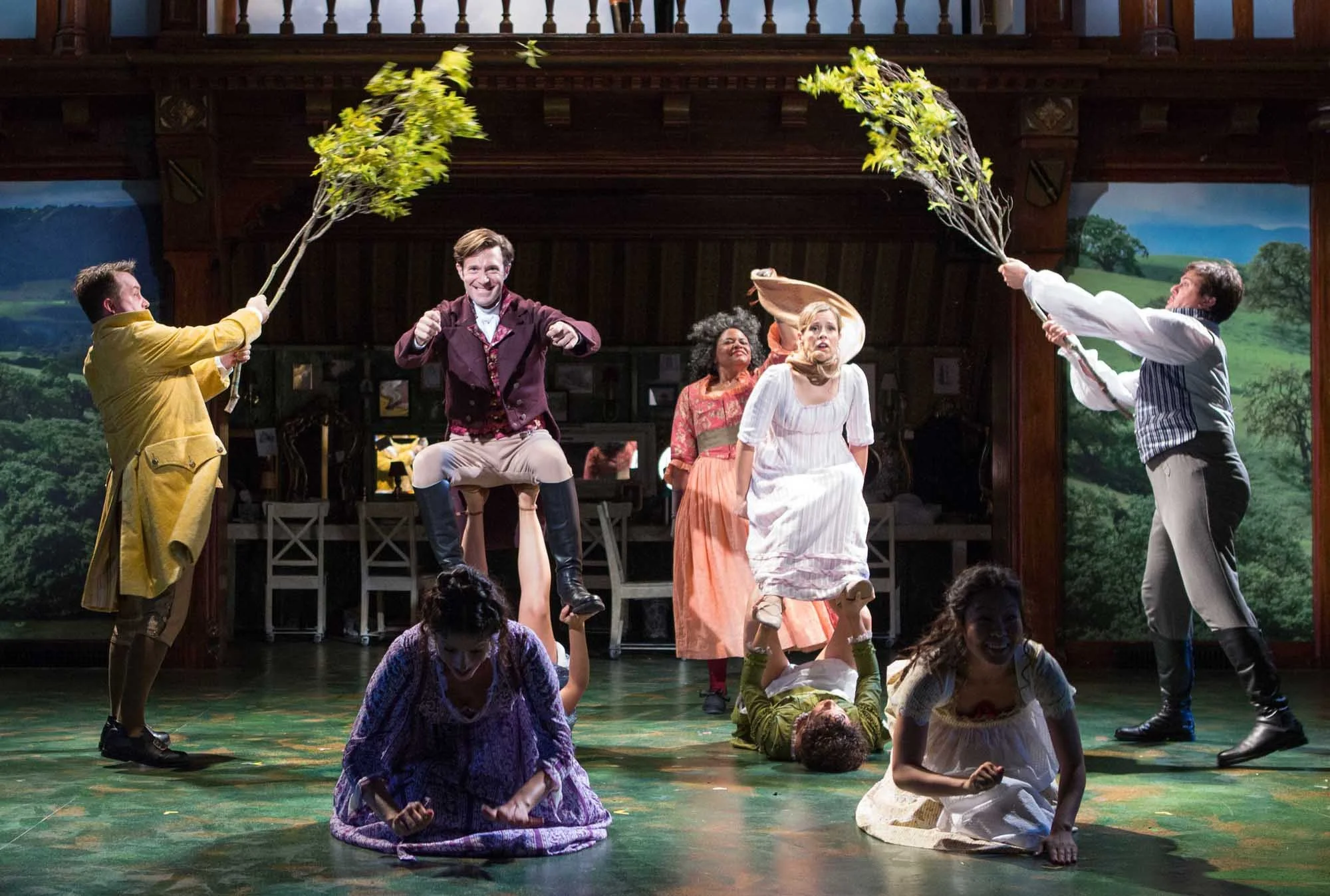
Saint Joan and Hamlet continue their New York run before Bedlam begins again with two new productions: Chekhov's The Seagull and the world premiere of Sense & Sensibility, performed in repertory by a ten-actor company at the Sheen Center. The scale grows, but the essential idea doesn't: actors transform in full view, spaces are continually reinvented, and theatrical imagination replaces theatrical machinery.
2015
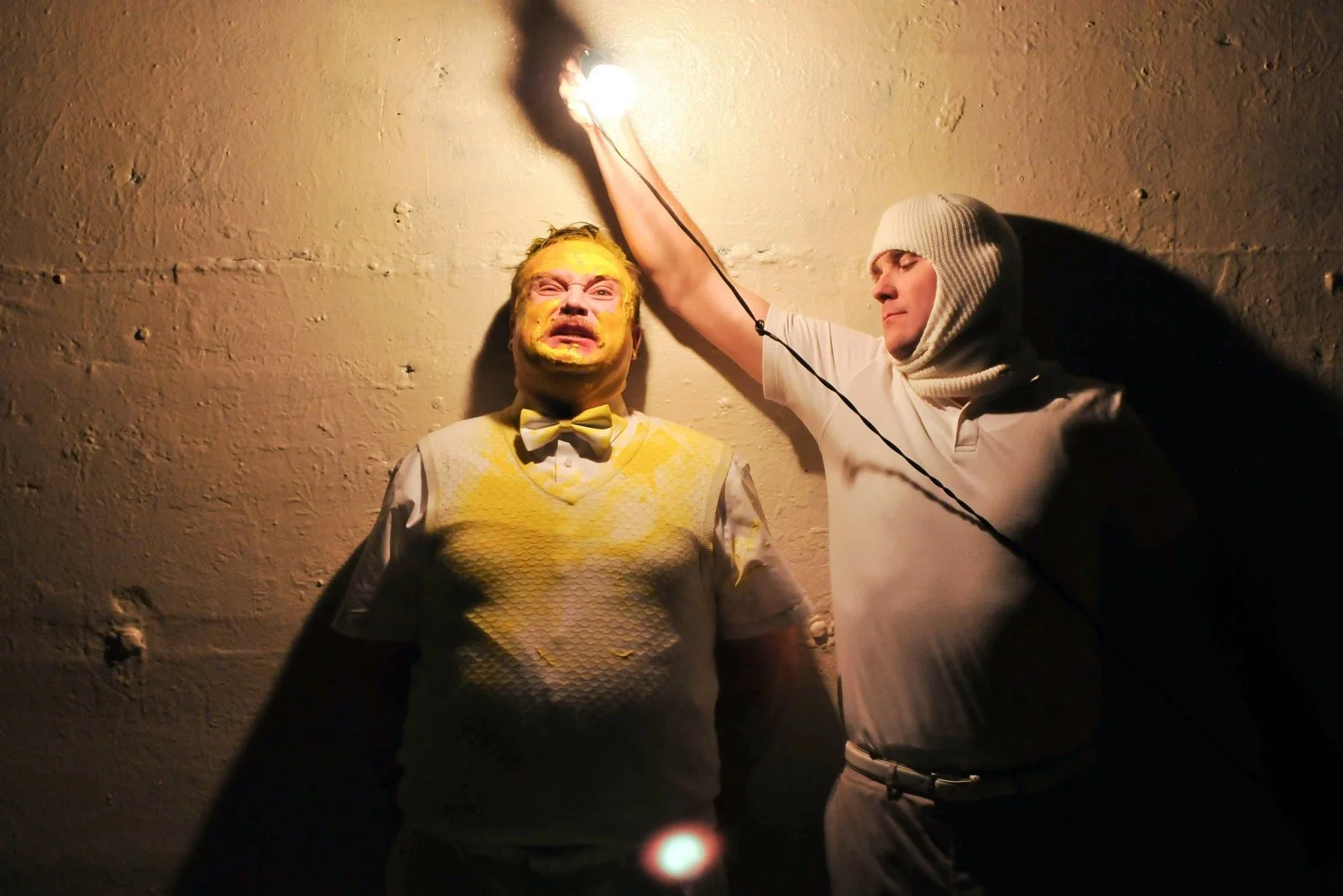
Bedlam begins traveling while continuing to experiment at home. Saint Joan reaches Boston and wins two Elliot Norton Awards; in New York, five actors perform Shakespeare's complete Twelfth Night in two radically different productions—Twelfth Night and What You Will. The same text becomes two different theatrical worlds, pushing the company's interest in transformation beyond characters and into the plays themselves.
Later that year, Bedlam turns toward new work with New York Animals, a world-premiere play with songs by Steven Sater and Burt Bacharach at the New Ohio Theatre. The company's definition of what belongs inside “Bedlam” is getting wider.
2016
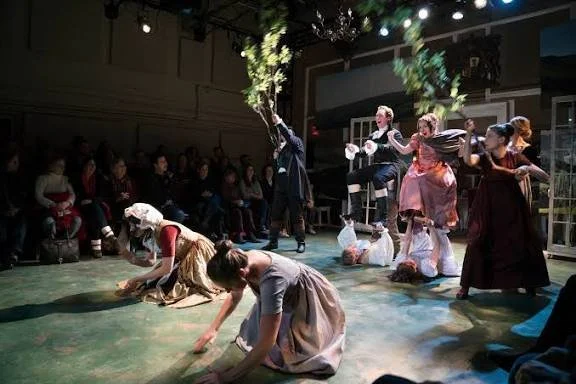
Sense & Sensibility moves into the Gym at Judson and becomes Bedlam's longest-running New York production to date, while Twelfth Night and What You Will travel to Boston and Sense & Sensibility goes to Washington's Folger Theatre. What began as a tiny New York company is becoming a national one, with productions increasingly able to travel, change casts, inhabit new spaces, and still remain recognizably Bedlam.
Bedlam also produces Barry Malawer's contemporary drama Dead Dog Park in New York. Classics, adaptations and new plays now coexist inside the same increasingly recognizable company aesthetic.

2017
The productions begin developing lives far beyond their original New York runs. Hamlet and Saint Joan reunite at McCarter Theatre, while Sense & Sensibility continues regionally and receives major recognition for its Folger engagement. Back in New York, Bedlam takes on J. M. Barrie's Peter Pan, reducing a play traditionally filled with spectacle to six actors and putting imagination itself in charge of creating Neverland.
2018
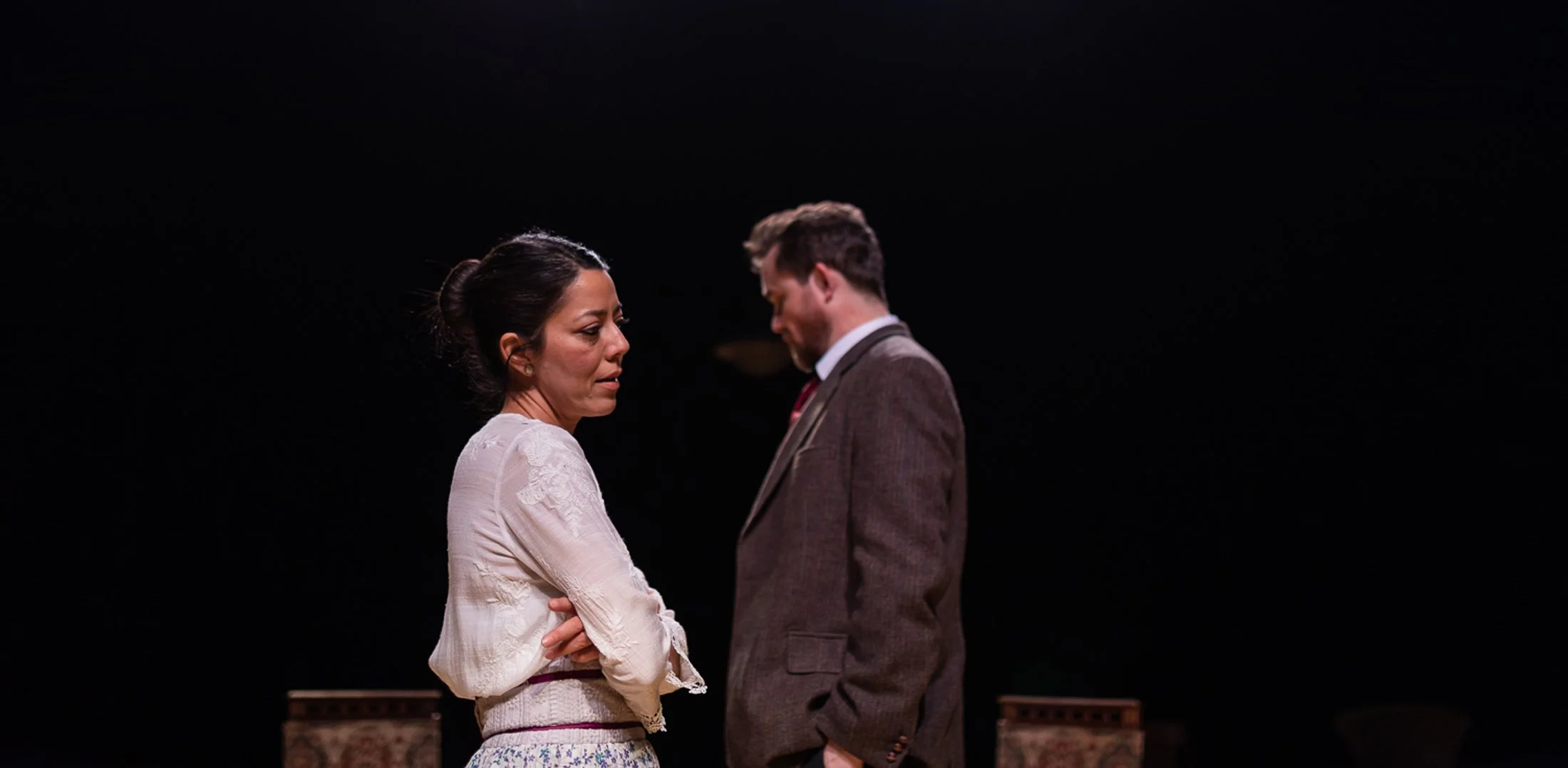
Bedlam returns to Shaw with Pygmalion at the Sheen Center, bringing audiences into the action from the opening moments and again using a small ensemble to dismantle expectations around a familiar classic.
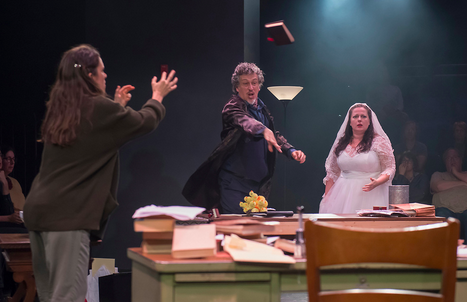
Later that year, five actors collide Chekhov with Shakespeare in Uncle Romeo Vanya Juliet, playing Uncle Vanya and Romeo and Juliet simultaneously inside the same theatrical world.
Meanwhile, Hamlet and Saint Joan are rebuilt with a new generation of actors and sent across the country, while Sense & Sensibility continues its regional life. The Bedlam approach is no longer tied to one cast or one room; it has become a way of making theater.



2019
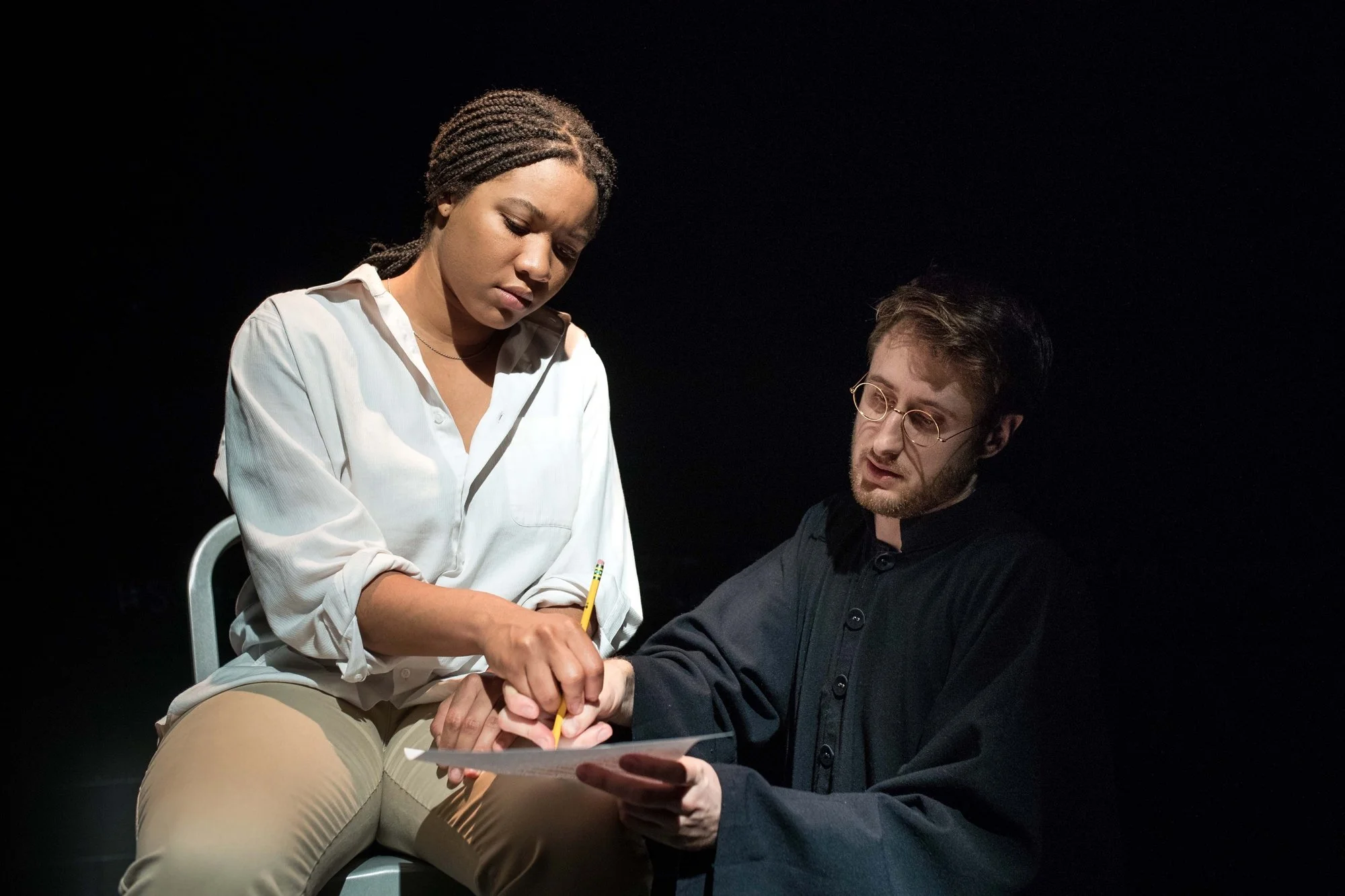
Bedlam's productions continue to develop lives around the country. Sense & Sensibility, five years after its original New York premiere, reaches Portland Center Stage, while Pygmalion travels to Boston's Central Square Theater.
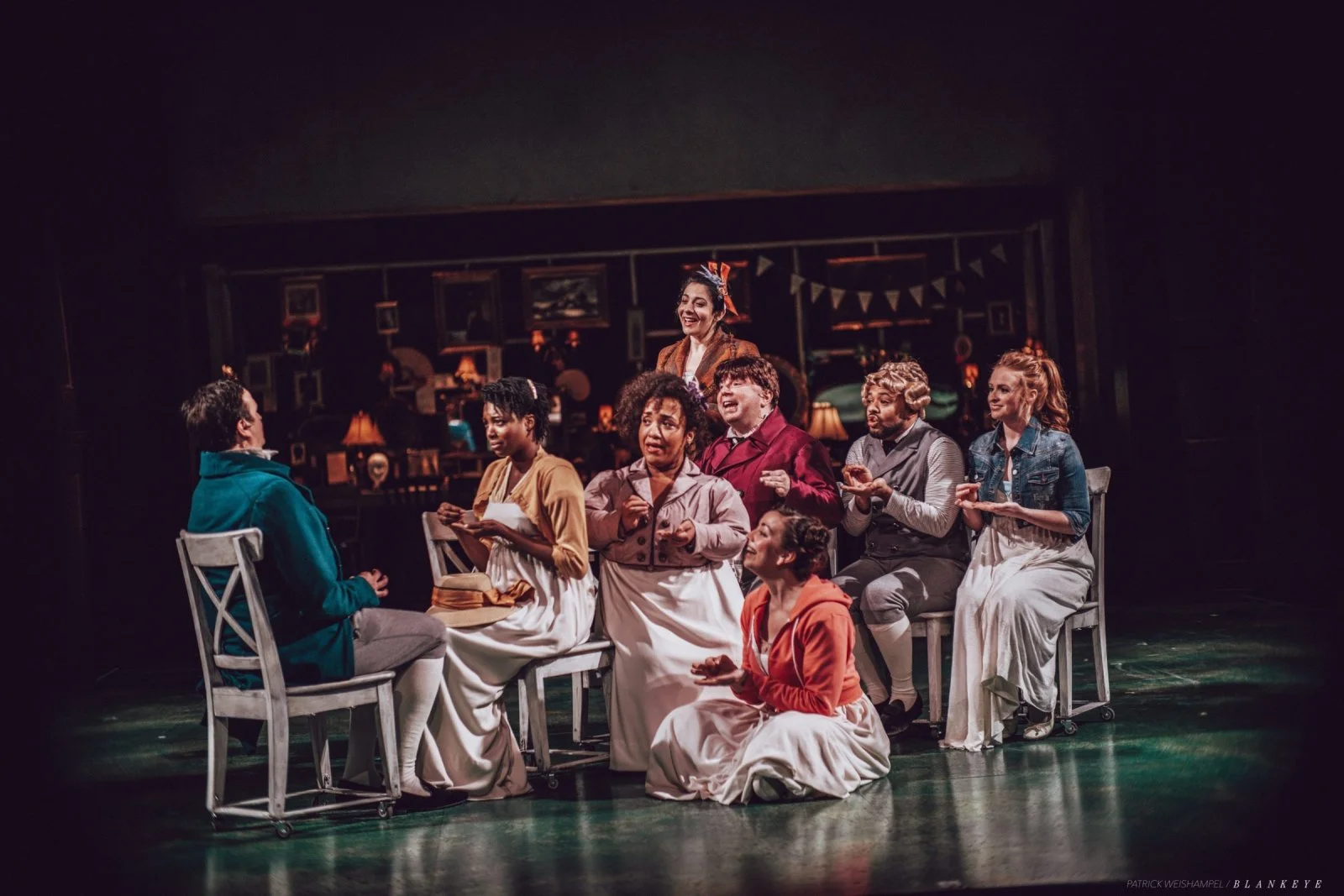
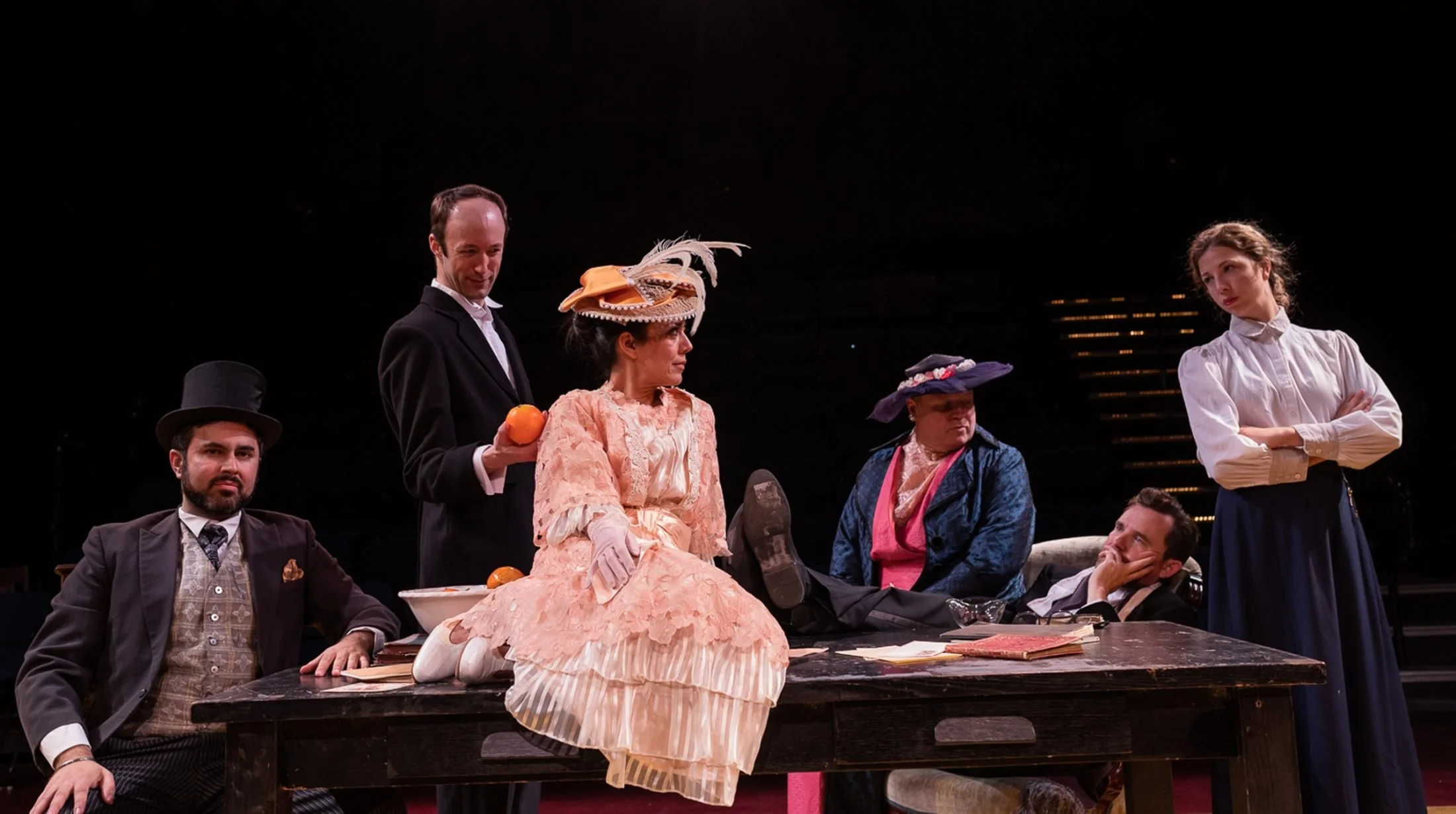
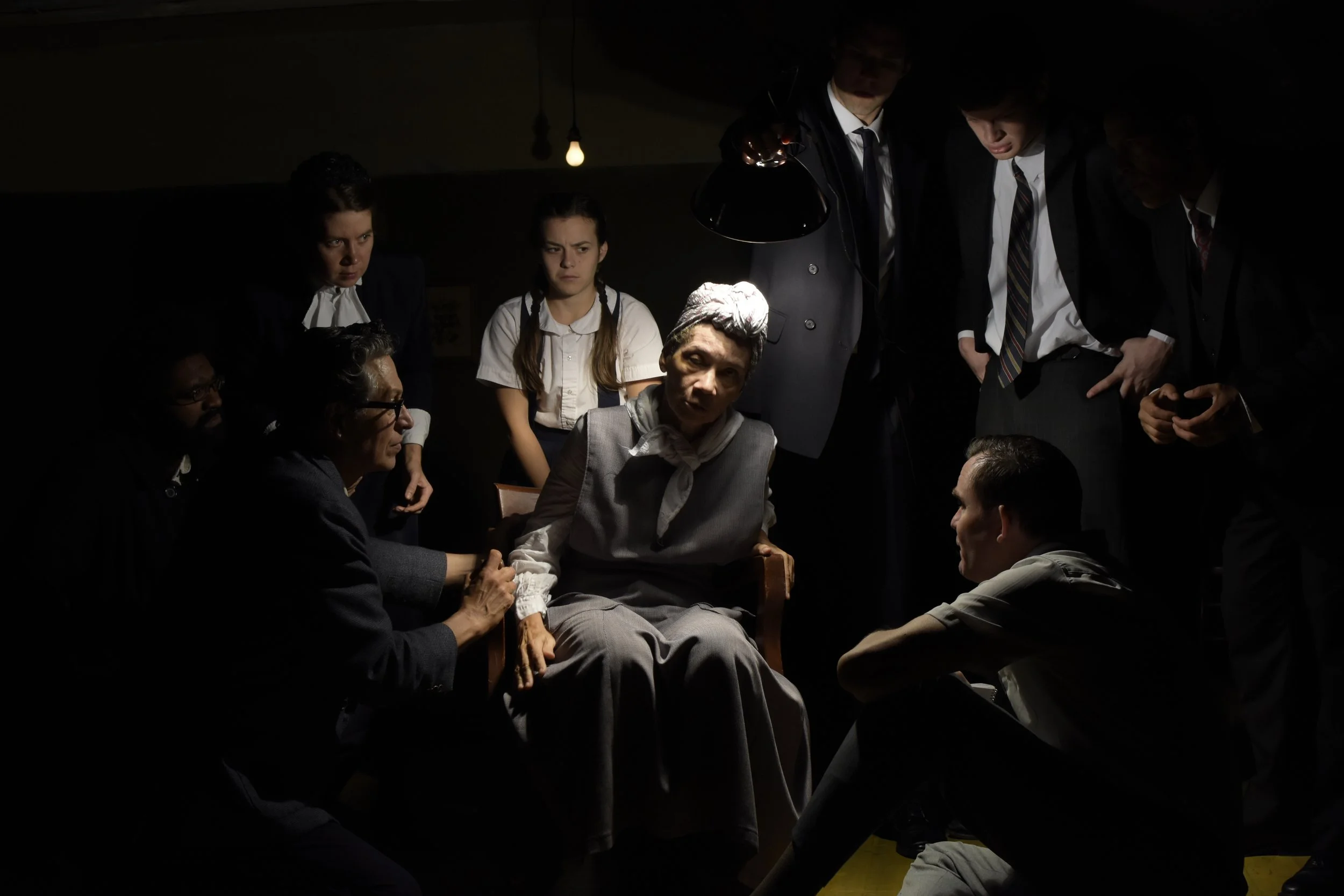
Bedlam then takes on Arthur Miller's The Crucible, first in Cambridge and later at New York's Connelly Theater. With thirteen actors, it is unusually large for the company, but the approach remains distinctly Bedlam: familiar material stripped of expectation, the audience brought close to the action, and theatrical invention taking the place of theatrical machinery.
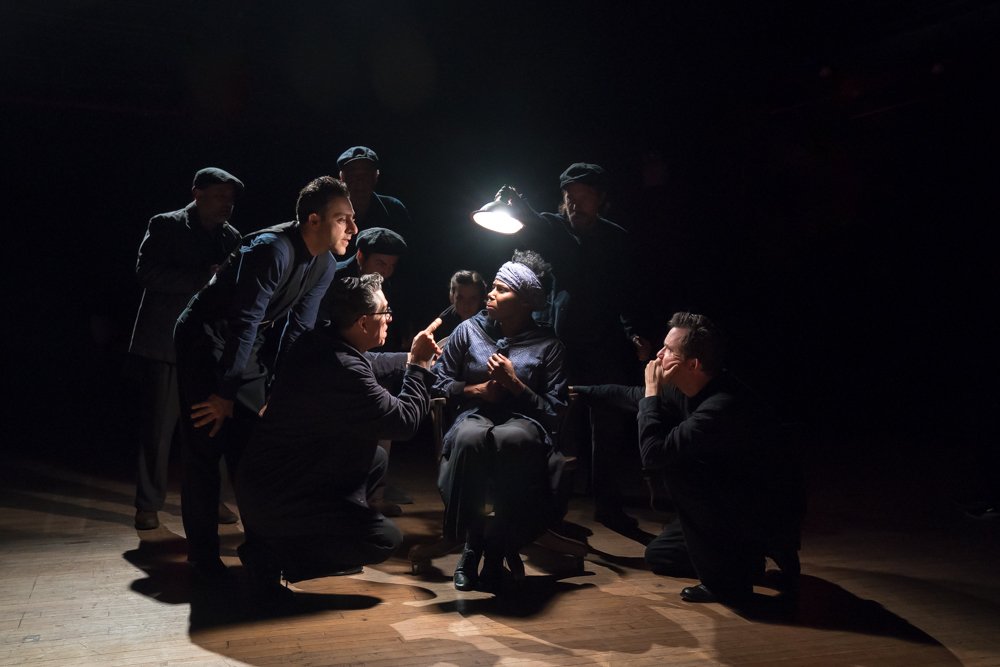
By the end of the decade, the company that began with four actors and Saint Joan has created, remounted, and toured productions across the country—moving between Shakespeare, Shaw, Chekhov, Austen, Barrie, Miller, and new American writing while developing a theatrical language unmistakably its own.
“Bedlam” itself has become a recognizable theatrical approach.
2020
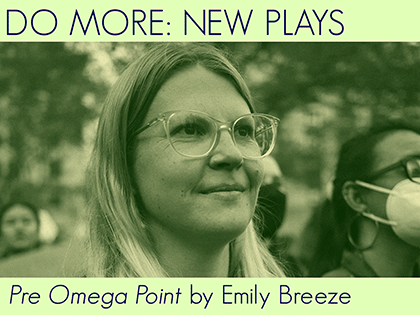
Bedlam is preparing to bring The Crucible back to New York for an extension in the Spring of 2020 when the pandemic shuts theaters down. With live performance suddenly impossible, the company moves in two new directions: DO MORE, a year-long series of virtual benefit readings raising money for racial-justice organizations, and BEDLAM: The Series, an ambitious episodic reinvention of Shakespeare created for the screen.
Filmed under COVID protocols in New York City and the Hudson Valley, BEDLAM: The Series takes characters, plots and language from across Shakespeare and rebuilds them into an entirely new story. For a company founded on the immediacy of actors and audiences sharing a room, the pandemic forces a fundamental question: what is Bedlam when there is no room?
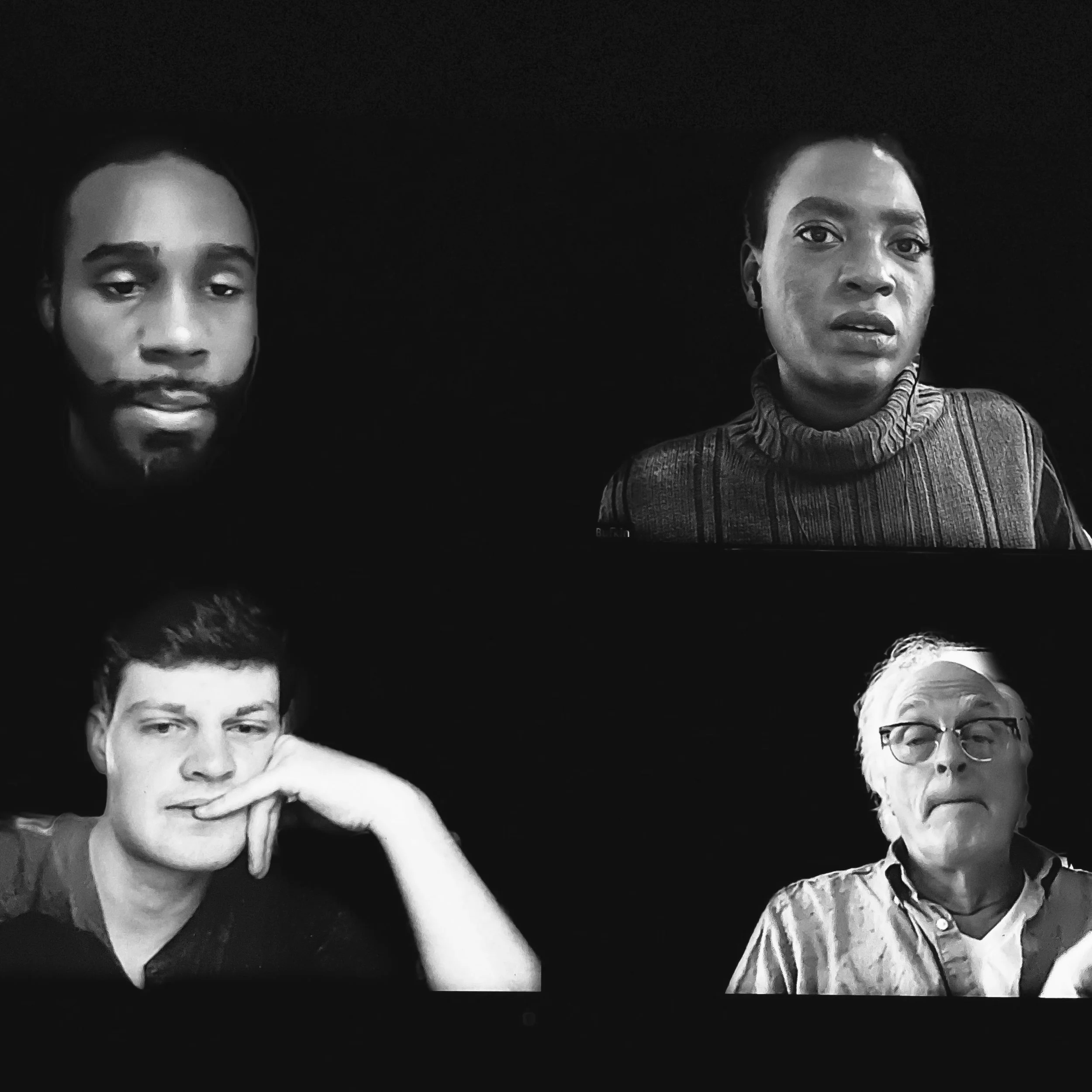
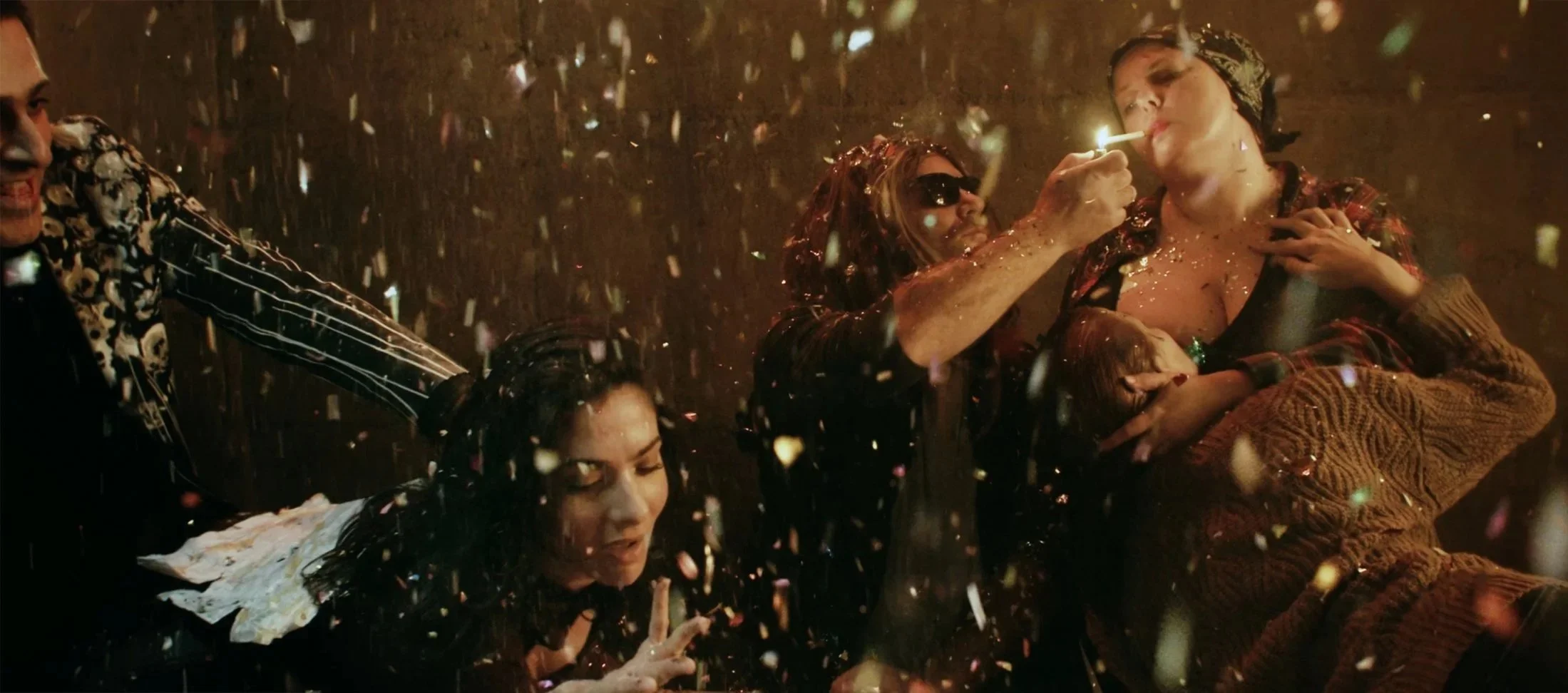
BEDLAM: The Series continued through post-production and festivals. By October 2021, it had screened at festivals including CHAIN Film Festival, Miami Indie Film Awards, Cannes World Film Festival, Montreal Independent Film Festival and Flickers' Rhode Island International Film Festival. The first three episodes were released on BEDLAM TV on November 1, 2021.
2021
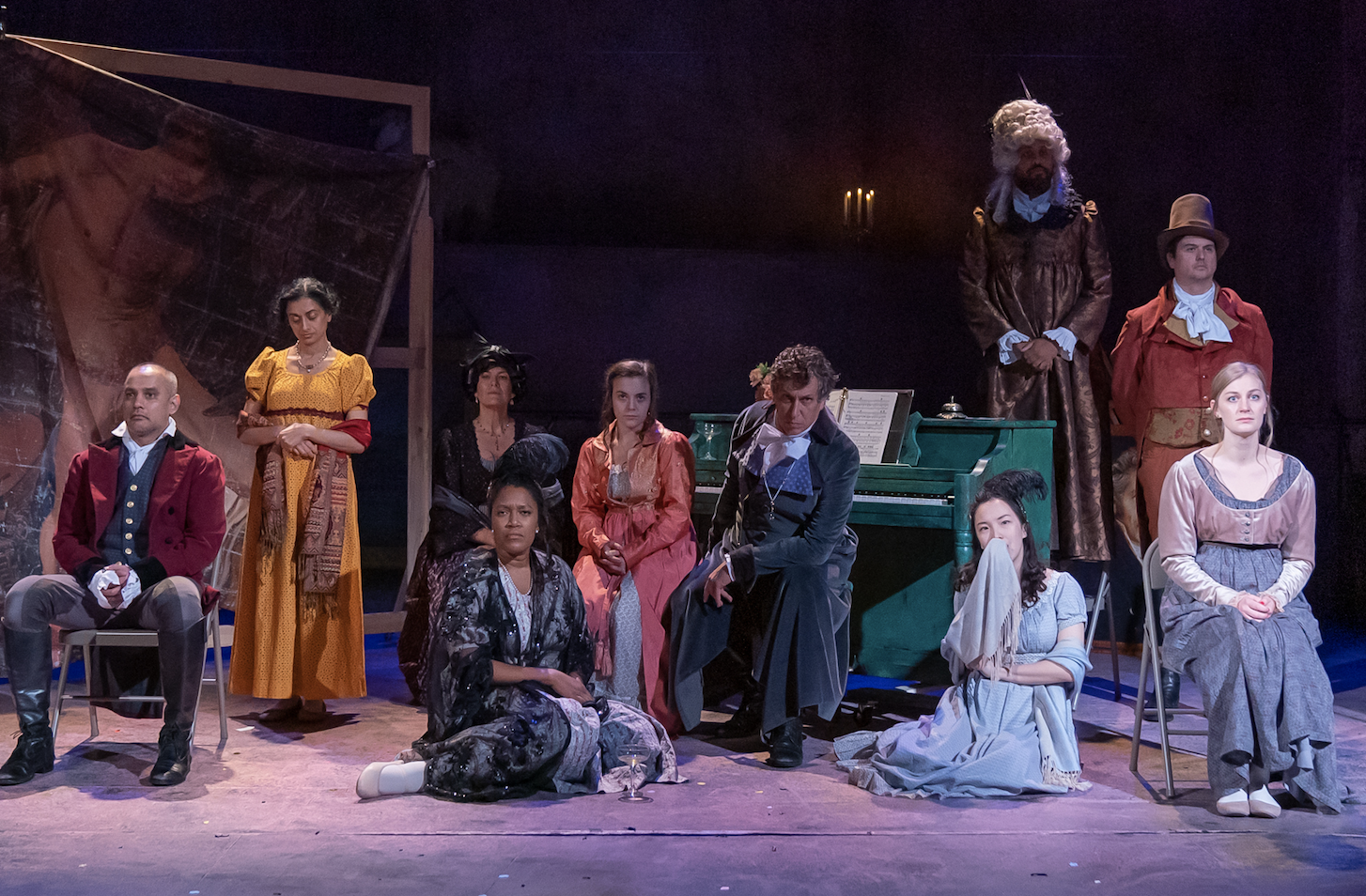
The company returns to live performance with the world premiere of Sarah Rose Kearns's Persuasion at the Connelly Theatre.
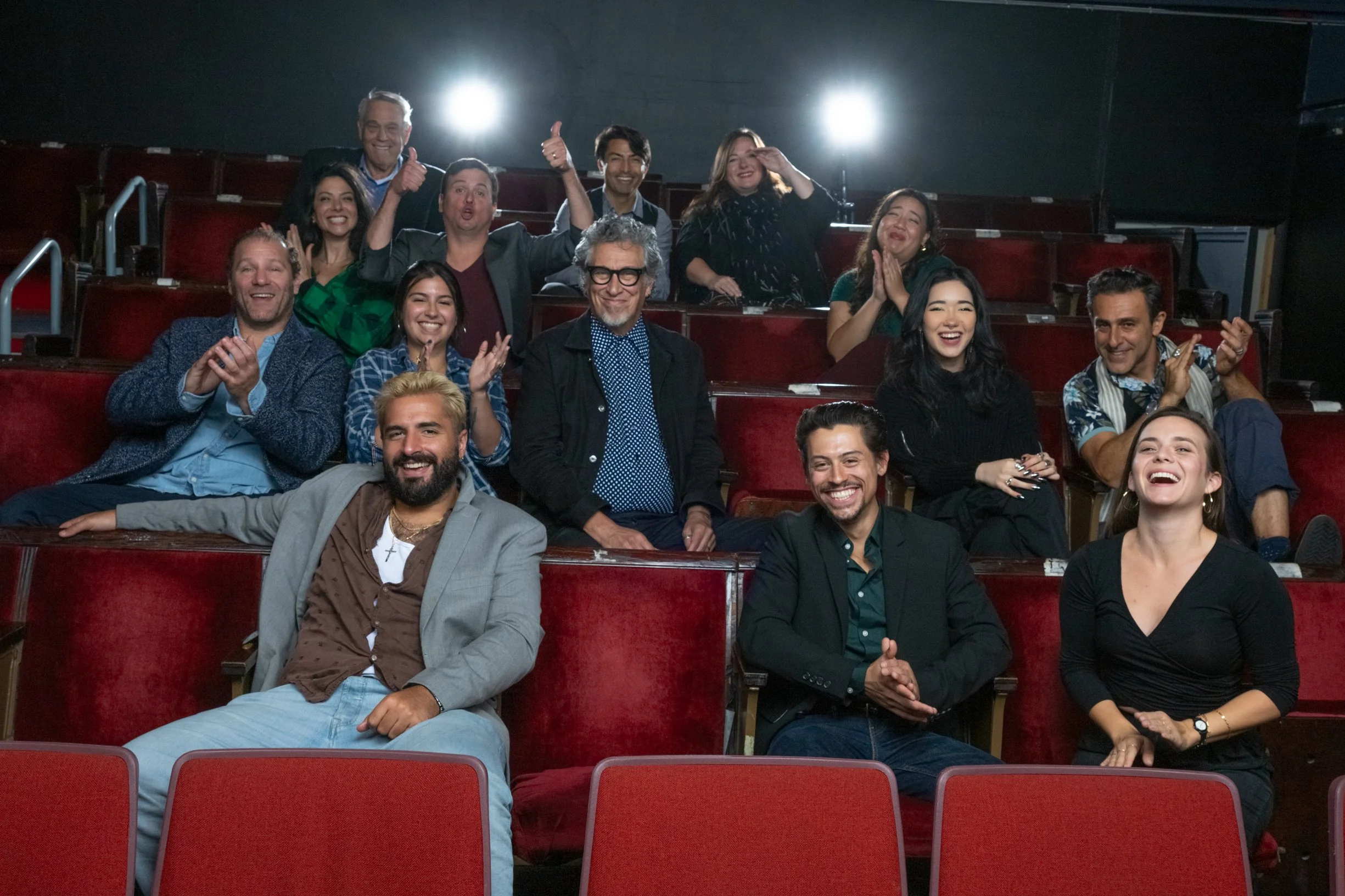
The return also brings a new commitment to audience access, with complimentary front-row seats offered to communities traditionally excluded by the cost of theater. After eighteen months in which gathering itself had become impossible, Bedlam puts actors and audiences back in the same room.
2022
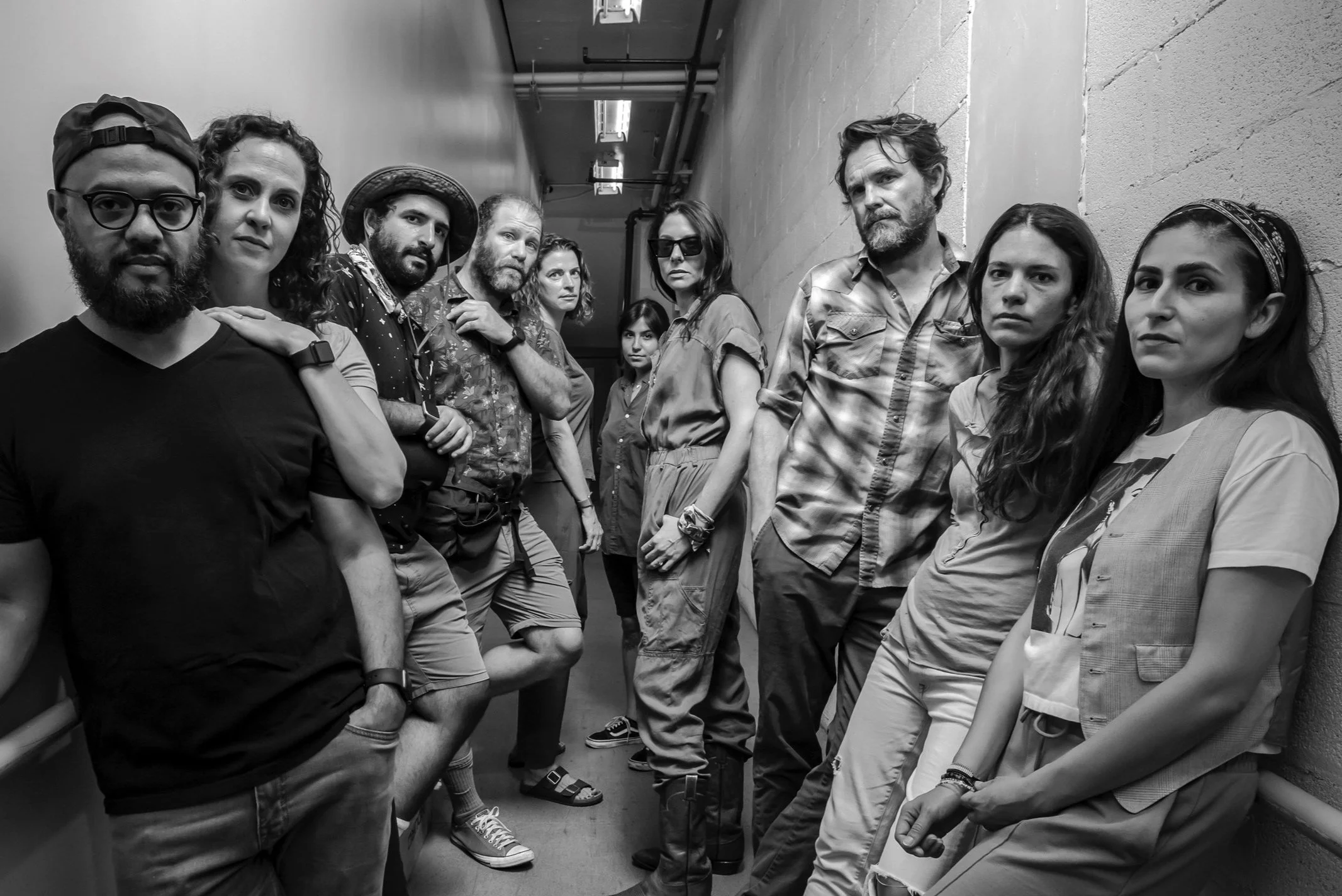
For its tenth anniversary, Bedlam returns to one of the ideas on which the company was built: repertory. Nine actors perform Shakespeare's The Winter's Tale and Ibsen's Hedda Gabler in rep at Brooklyn's Irondale Center, moving between two radically different classics with the same ensemble.
A decade after four actors began switching roles in Saint Joan and Hamlet, Bedlam returns to transformation, doubling and the particular electricity that comes from watching the same company build two different worlds.
2023
Bedlam opens the year with two world premieres: Zuzanna Szadkowski and Deborah Knox's Fall River Fishing, a wild reimagining of Lizzie Borden, followed by Talene Monahon's The Good John Proctor, which looks at the girls at the center of the Salem witch trials before Arthur Miller turned their story into The Crucible.


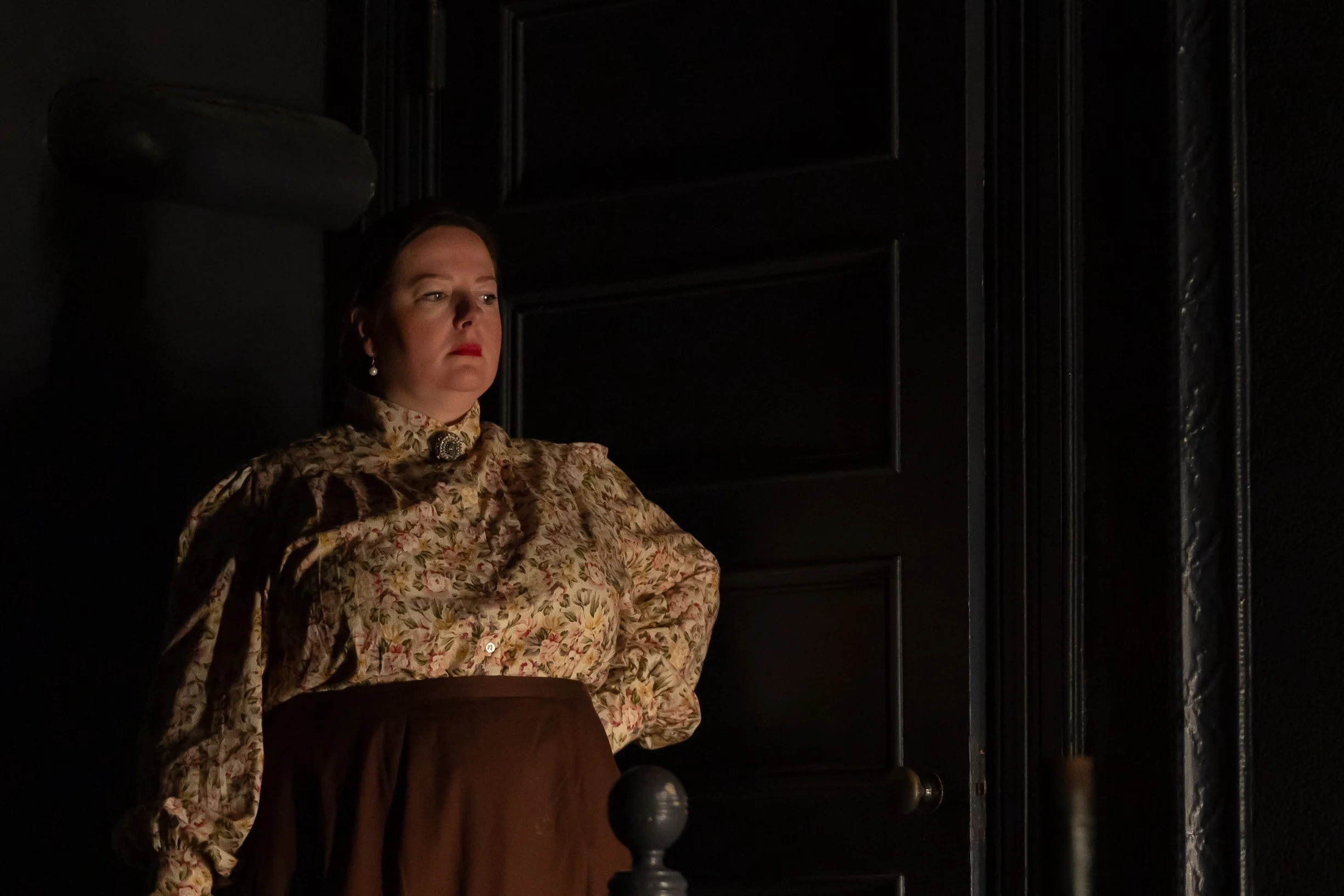
The company also returns to Boston for an undertaking on an entirely different scale: both parts of Tony Kushner's Angels in America, co-produced with Central Square Theater and directed by Tucker.
After more than a decade of making theater wherever it could find a room, Bedlam finally gets a home of its own. The West End Theatre on the Upper West Side becomes the company's permanent performance space—a place to produce its own work, develop new projects, bring artists together, and build a continuing relationship with an audience.
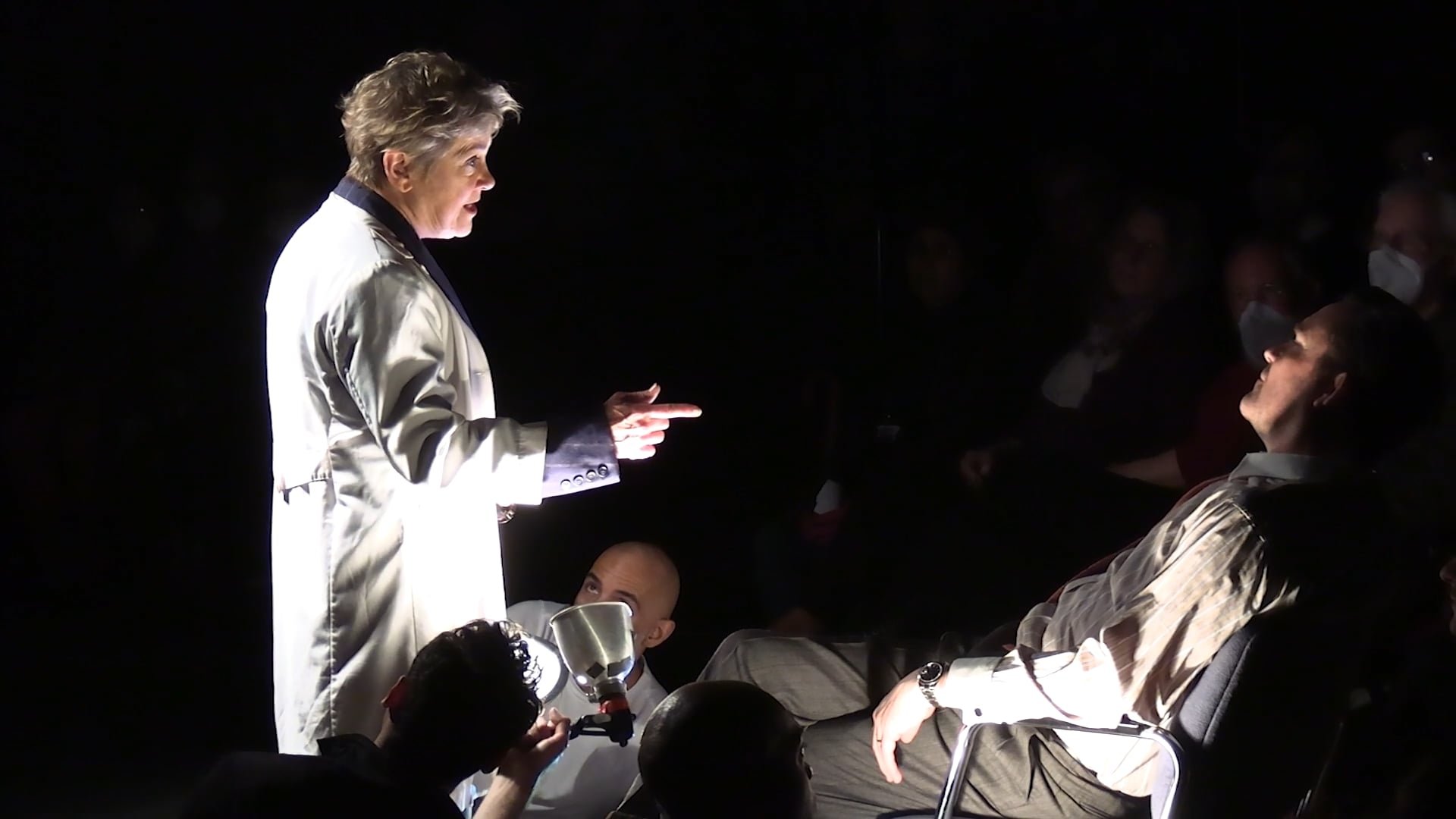
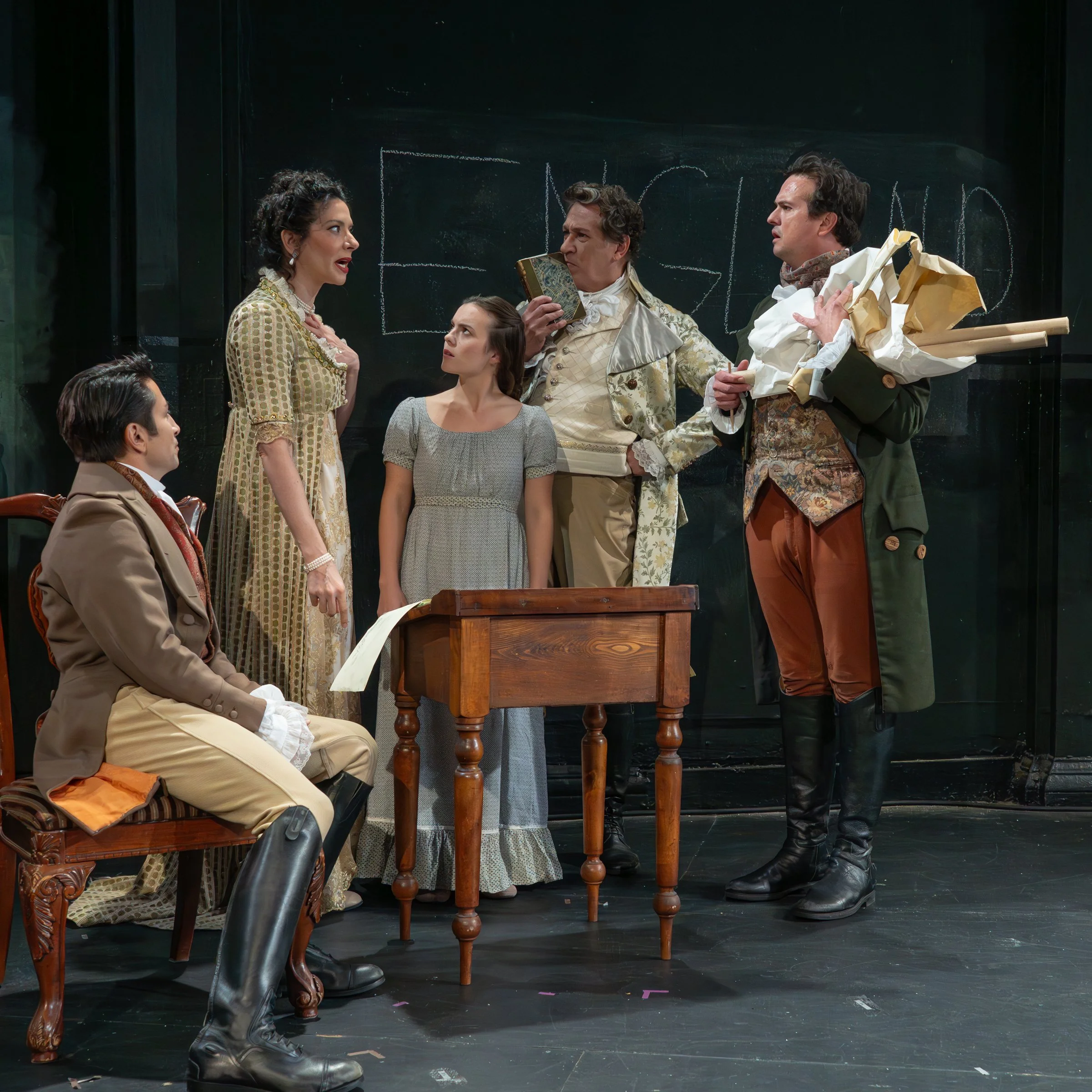
The year ends where the company's next chapter begins: at home. Eleven years after four actors made Saint Joan in a borrowed downtown room, Bedlam finally has a room of its own. Tom Stoppard's Arcadia, becomes the first play Bedlam produces in its new home.
2024
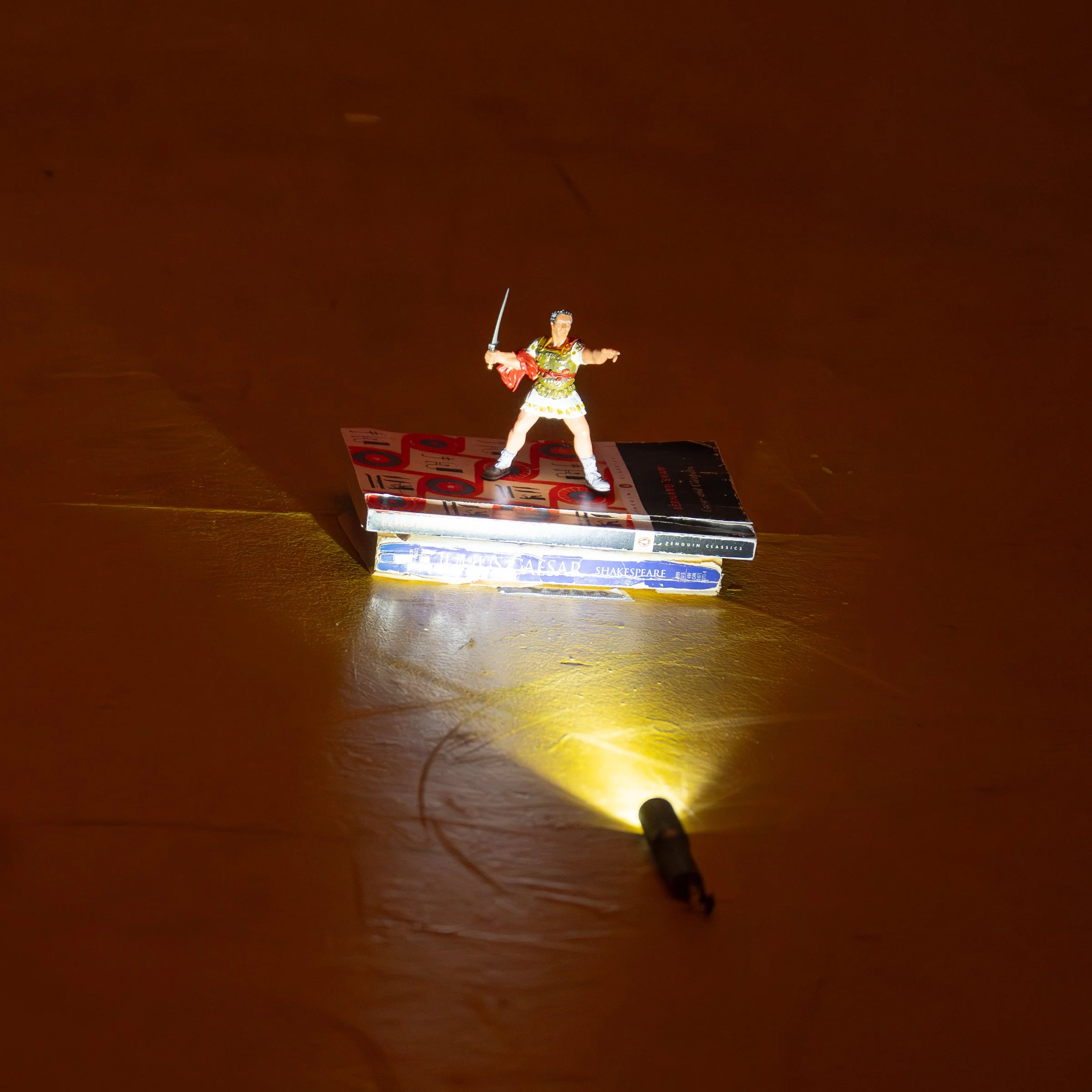
Bedlam begins taking bigger swings at the West End Theatre. The Assassination of Julius Caesar as Told by William Shakespeare and George Bernard Shaw combines two plays written three centuries apart, following Caesar from the charismatic young leader of Shaw's Caesar and Cleopatra to the ruler assassinated in Shakespeare's Julius Caesar.
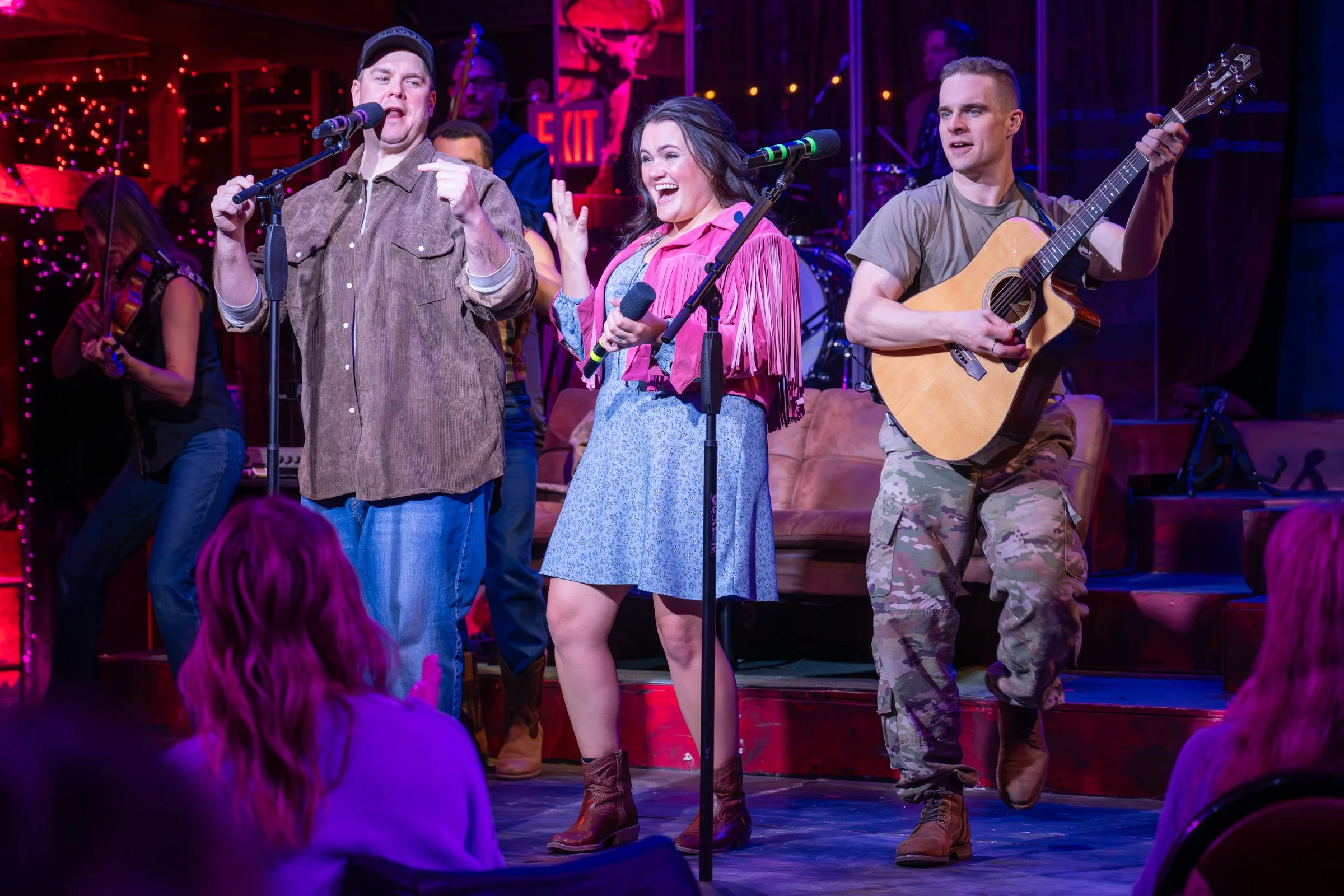
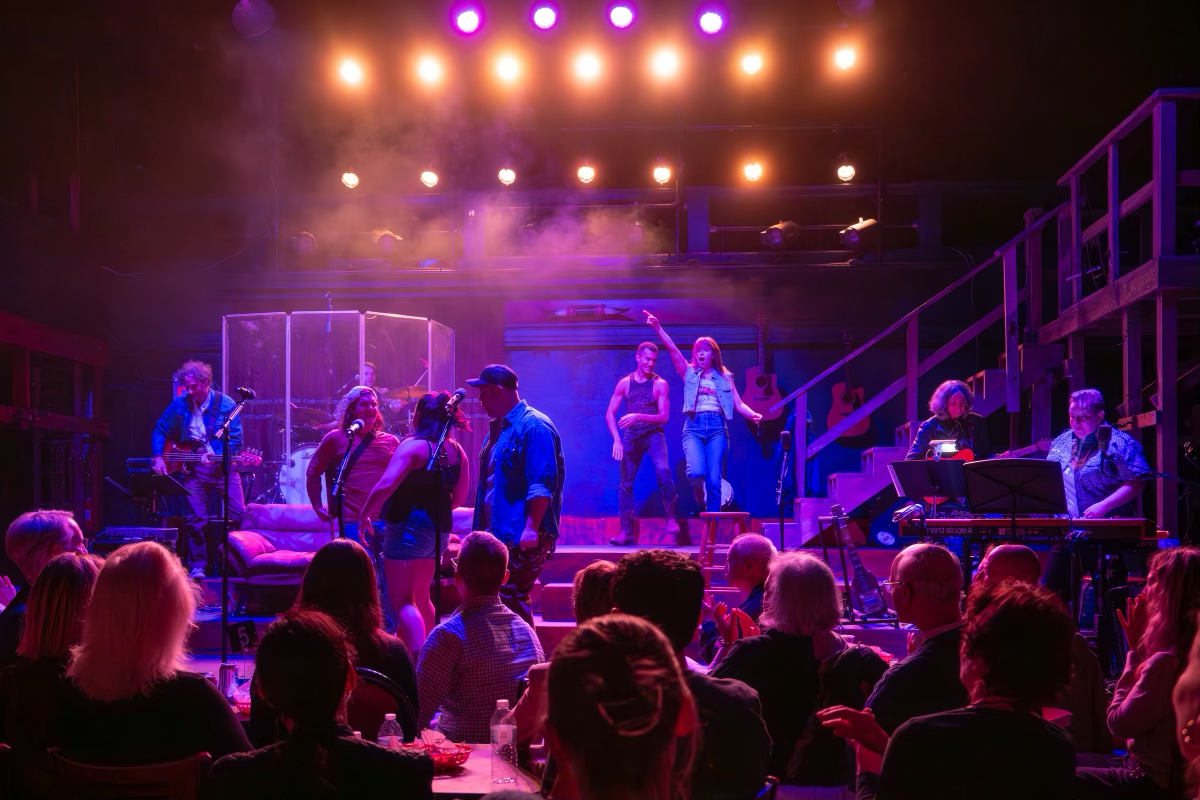
Later that year, Bedlam moves somewhere almost entirely new: the musical. For Music City, with songs by Nashville hitmaker JT Harding and a book by Peter Zinn, the West End Theatre is transformed into the Wicked Tickle, a rundown East Nashville bar where the audience shares the room with the actors and musicians. The form changes; the fundamental Bedlam idea does not.
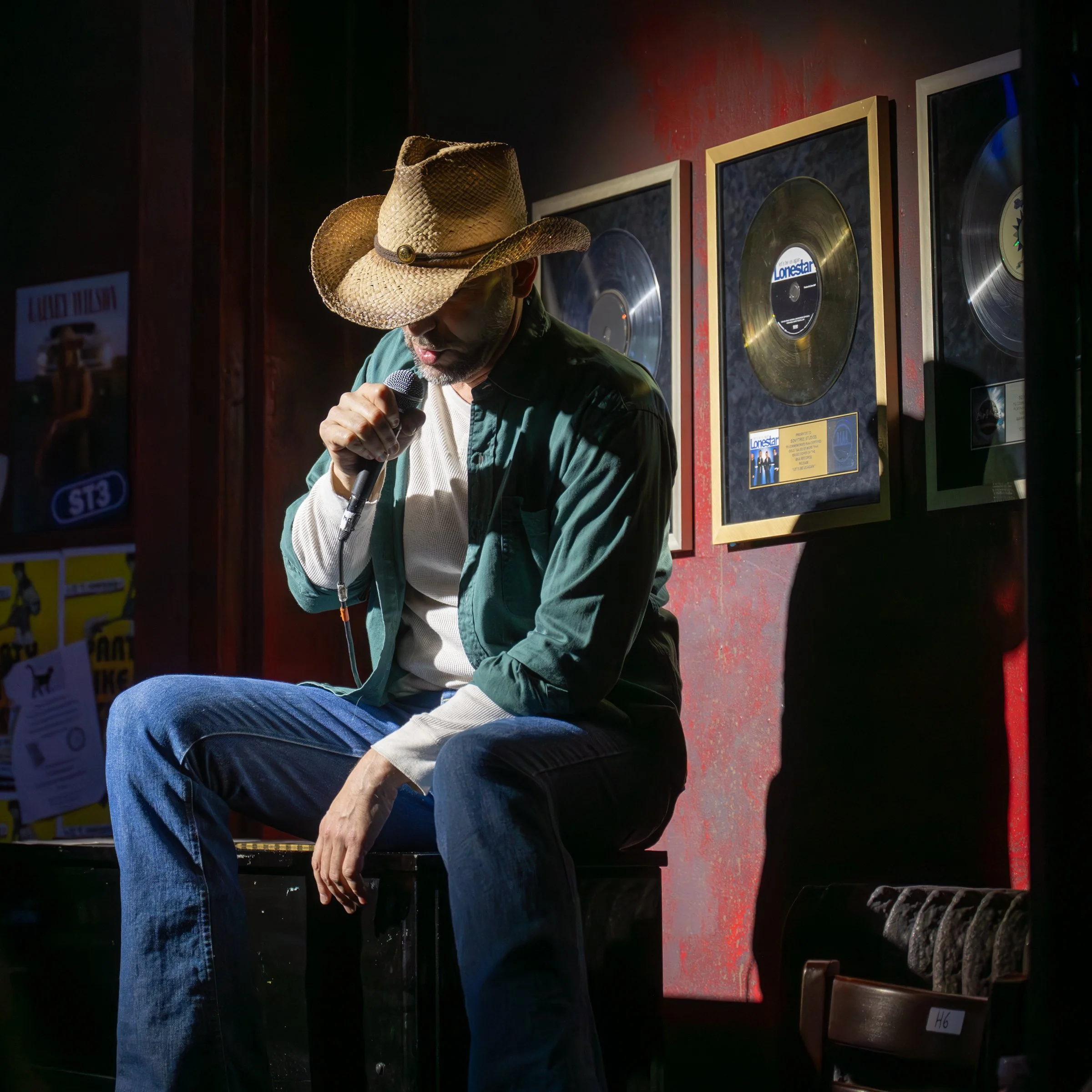
Music City continues into 2025 before Bedlam returns to another radical reworking of a familiar classic. Emily Breeze's Are the Bennet Girls OK? takes Pride and Prejudice away from Darcy and puts the Bennet women at its center, pairing Regency England with contemporary language and an irreverent examination of the family underneath one of literature's most famous romances.
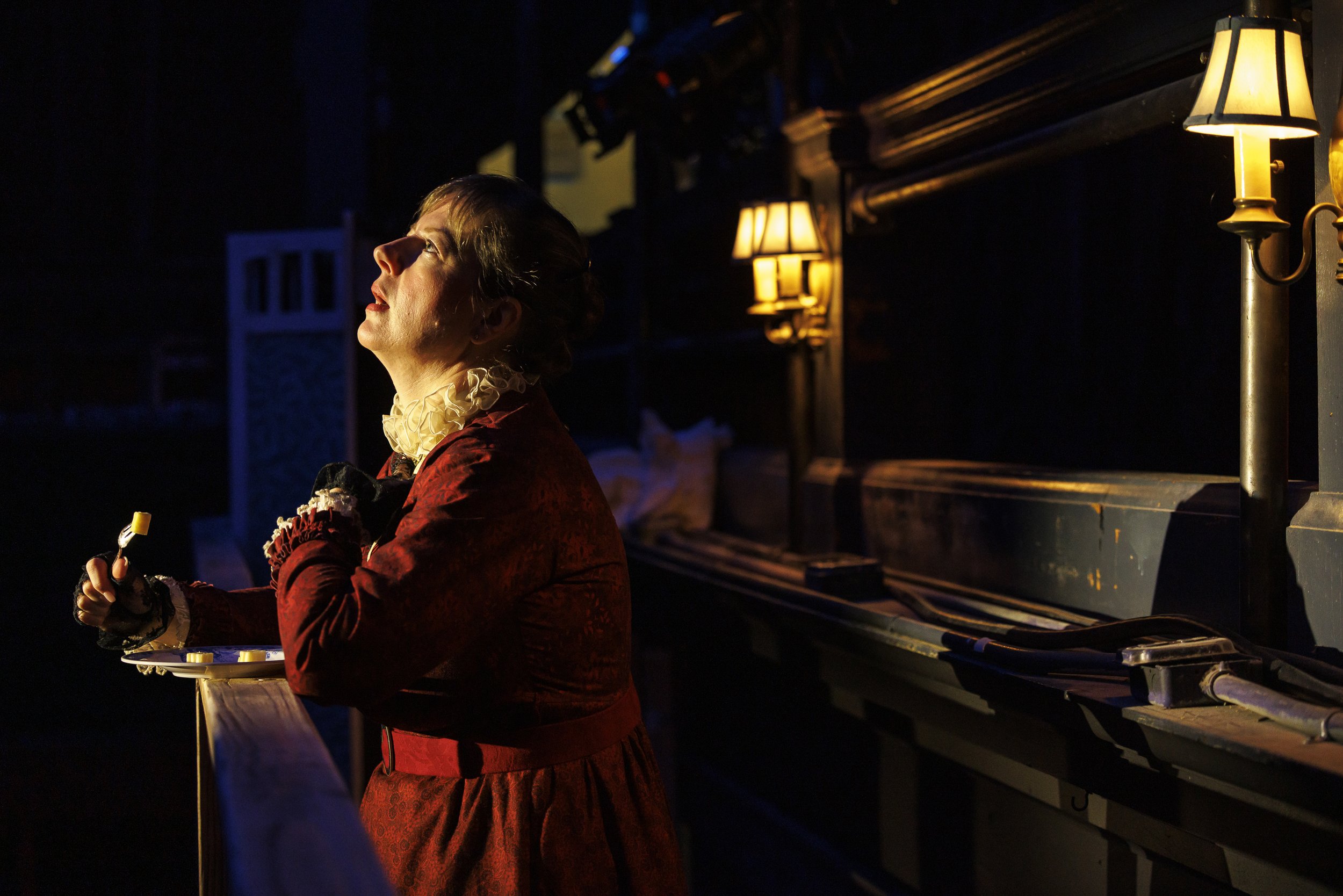
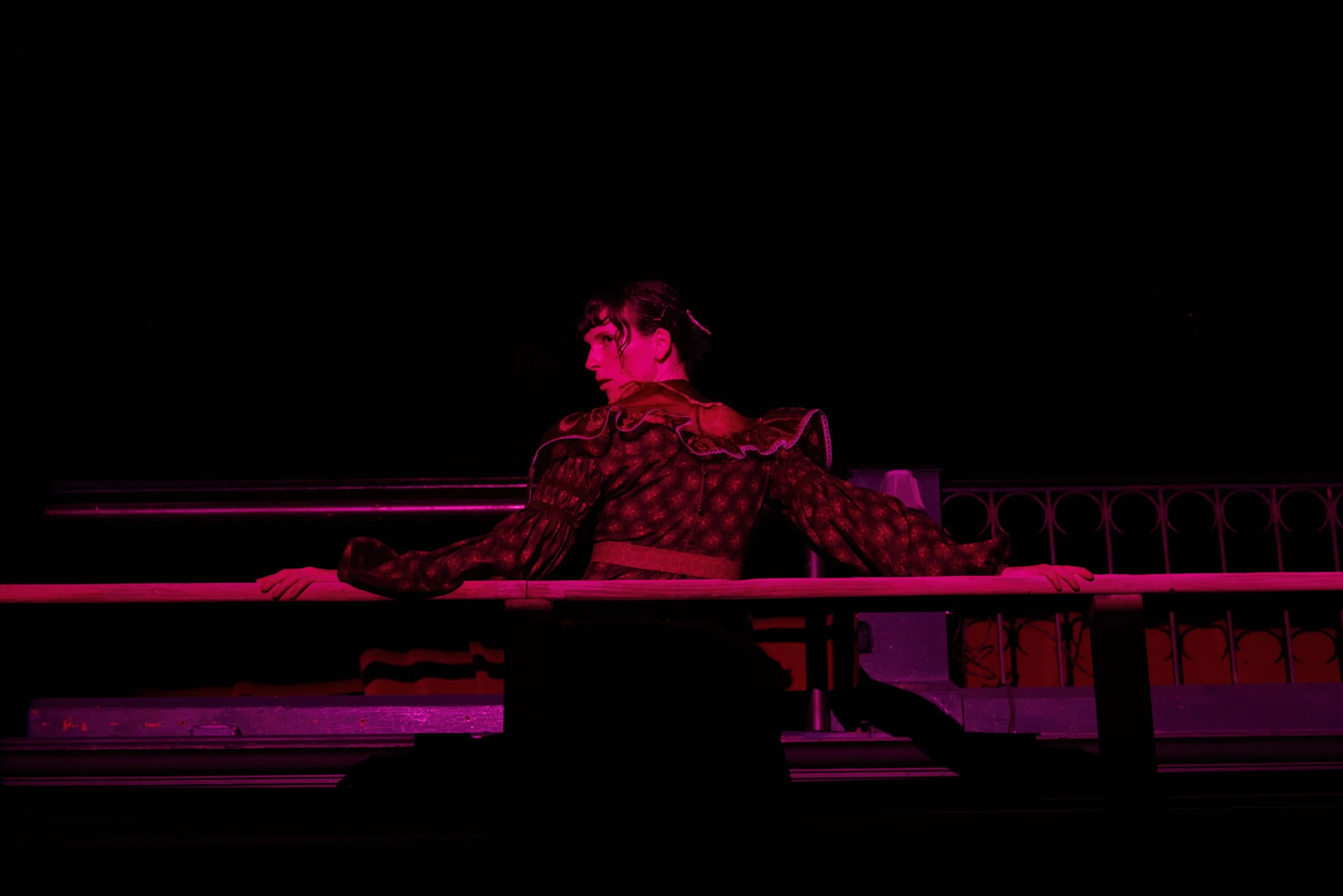
The production becomes a New York Times Critic's Pick and runs for more than three months at the West End Theatre. More than a decade after Sense & Sensibility, Bedlam finds another way into Austen—not by repeating an earlier success, but by approaching the world from an entirely different direction.
2026
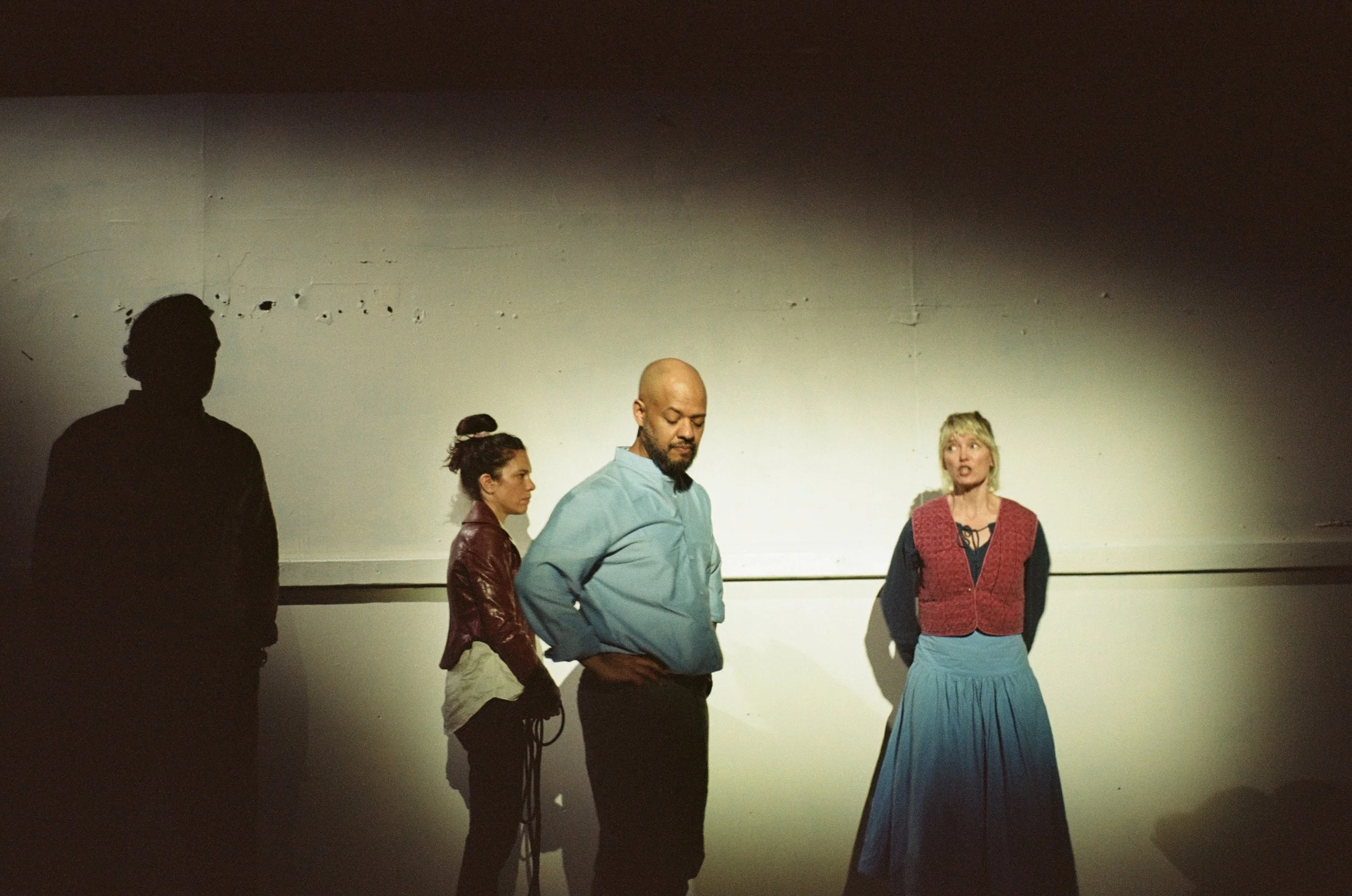
Bedlam returns all the way to its beginnings. Four actors take on all nineteen roles in Shakespeare's Othello, bringing the company back to the radically reduced casting, transformation and intimacy that defined Saint Joan and Hamlet fourteen years earlier.
But it isn't simply a return. Bedlam now has a home at the West End Theatre, and the work created there is beginning to travel outward again. Following its New York success, Are the Bennet Girls OK? is invited to The Public Theater for its 2026–27 season.
And Music City, which began at Bedlam's 76-seat West End Theatre, takes another leap: the production moves to a commercial run in the Theatre District, carrying a show developed in Bedlam's tiny home into the heart of Broadway.
As Bedlam approaches its fifteenth anniversary, the company finds itself simultaneously returning to its original question and pushing it forward:
How little do you need to make great theater—and how much can you do with it?
RECOGNIZED.
6×
NEW YORK TIMES
CRITICS’ PICKS
5×
NEW YORK TIMES +
NEW YORK MAGAZINE
TOP TEN LISTS
2×
ELLIOT NORTON AWARDS
2×
WALL STREET JOURNAL
BEST CLASSICAL PRODUCTION
4 x
HELEN HAYES AWARDS
2×
OFF BROADWAY ALLIANCE AWARDS
2×
WALL STREET JOURNAL
DIRECTOR OF THE YEAR
1X OBIE
“Eric Tucker is America’s Best Classical Theatre Director"
TERRY TEACHOUT
WALL STREET JOURNAL
“No troupe in New York these days
rides the storytelling momentum of theater
more resourcefully or enthusiastically than
Bedlam.”
BEN BRANTLEY
THE NEW YORK TIMES
THEATRE THAT DOES WHAT ONLY THEATRE CAN DO.
We don't want theatre to behave like a movie.
We want to see the actor become someone else in front of us. We want a chair to become a carriage, a hallway, a battlefield. We want an empty room to become an entire world because a group of people agrees, for a few hours, that it is.
We don't hide the machinery. The machinery is the magic.
An actor. An audience. A story. A room.
Everything else has to earn its way in.
We put the audience close enough to see the transformation happen. We change the room around them. We ask actors to do things that seem impossible. We take plays people think they know and strip away everything that has accumulated around them until they become immediate again.
Not because less is inherently better.
Because imagination is more powerful than imitation.
Theatre doesn't need to convince you that what you're seeing is real. It can do something stranger: it can let you know that none of it is real—and make you believe it anyway.
That exchange between actor and audience can't be reproduced. It only exists in that room, with those people, on that night.
That's what we're after.
Theatre that needs you there.
Theatre that does what only theatre can do.

THE ROOM.
WE FINALLY HAVE A HOME.
NOW COME GET IN THE ROOM WITH US.

We have this extraordinary little place and we’re trying to fill it with theatre.
the next 15 years
start here.
STAFF.
ERIC TUCKER Artistic Director
SUSANNAH MILLONZI Development Director
CAITLIN MORLEY Associate Artistic Director
ZUZANNA SZADKOWSKI Outreach Director
ASHLEY GARRETT Photographer
BLAKE ZIDELL & ASSOCIATES PR
TRACE MATRIX Accounting
MISSION.
Committed to the immediacy of the relationship between the actor and the audience, Bedlam creates works of theatre that reinvigorate traditional forms in a flexible, raw space, collapsing aesthetic distance and bringing its viewers into direct contact with the dangers and delicacies of life. In this new, fresh, active environment storytelling becomes paramount and the result is a kinetic experience of shared empathy.